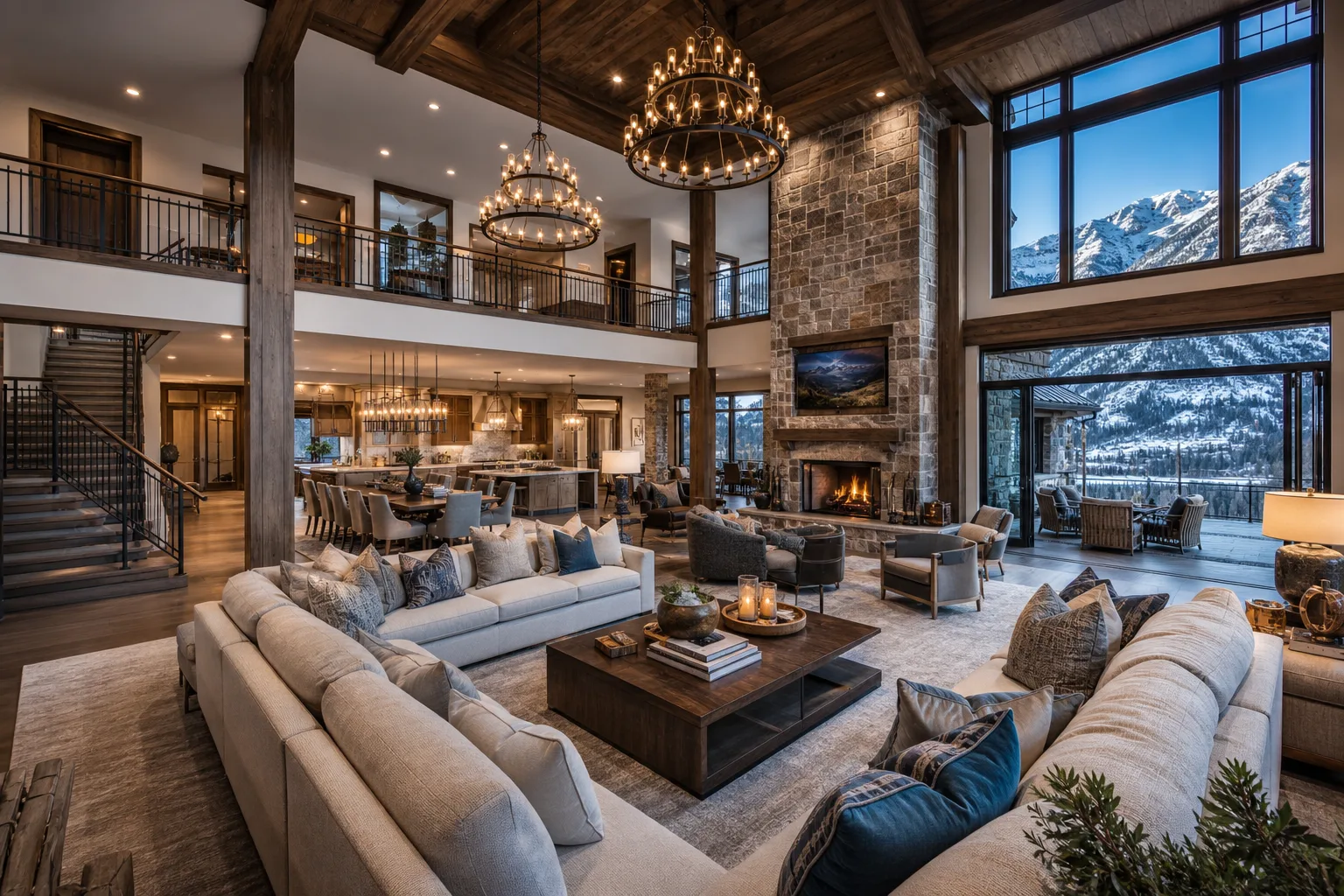
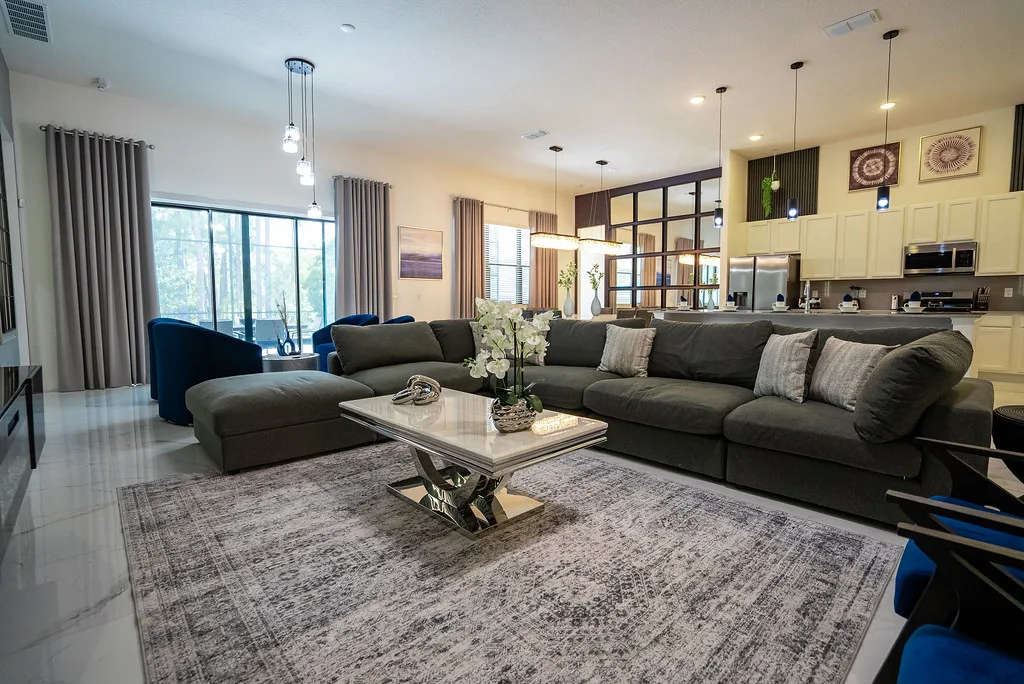
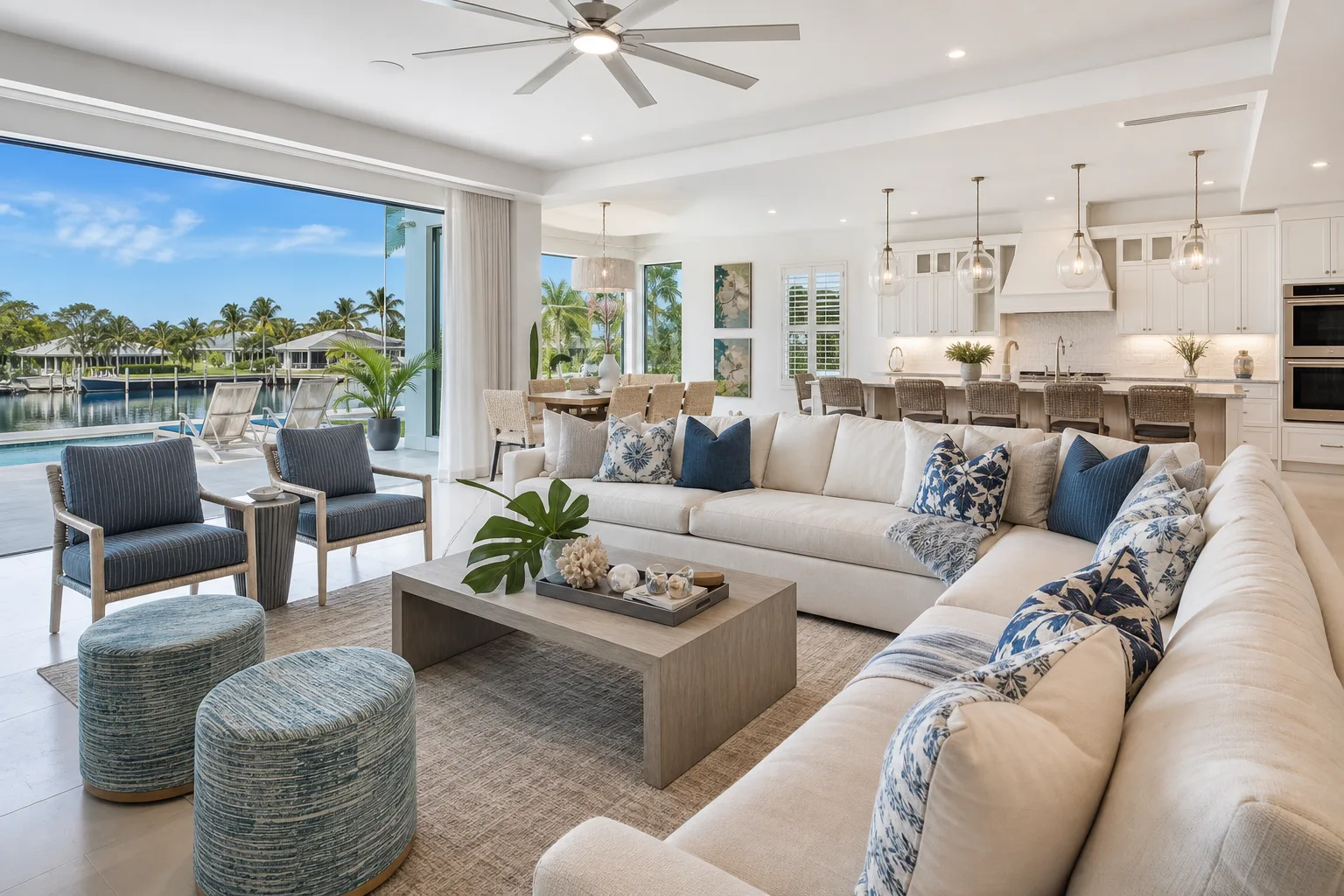
Mega-Rental Furnishing Scope
A package level definitional guide for Mega-Rental STR furnishing — what structurally distinguishes 10BR+ destination-property scope from Luxury Estate, where the budget scales non-linearly, and the operational infrastructure required to support 20–40 guests.
Sound familiar?
Owners scoping 10BR, 12BR, or 14BR mega-rentals often try to extrapolate the budget linearly from a 6BR or 8BR property — assuming a 12BR is just twice the cost of a 6BR. That math fails because mega-rentals are structurally different businesses. They compete as destination properties for group travel, requiring multi-zone amenity setups, commercial-grade operational infrastructure, and custom fabrication that scales non-linearly. Extrapolating a linear budget produces an under-scoped mega-rental that fails to command its target nightly rate.
In short
- Mega-Rental is a distinct package level defined by scale, group-travel positioning, and destination-property amenity depth (typically 10BR+).
- The budget scales non-linearly because the amenity setup multiplies (multiple themed rooms, multi-zone gaming, theaters).
- Operational infrastructure (dining seating, houseware depth) must scale to support 20–40 simultaneous guests without crowding.
- Custom fabrication is a primary cost driver at this scale, moving the planning range substantially higher than assembled-scope equivalents.
- Install windows run 14–20 weeks to accommodate multi-vendor coordination, custom fabrication, and massive freight volumes.
This is a definitional guide to Mega-Rental / Specialty Flagship scope in the FPUSA package level framework. The mega-rental furnishing guide covers build execution and operations at this scale; this post covers what structurally distinguishes Mega-Rental scope from Luxury Estate scope, where the budget shifts non-linearly, and how the amenity setup compounds at 10BR+ scale. Final pricing requires a scoped proposal.
What to consider
Where Mega-Rental sits in the package level framework
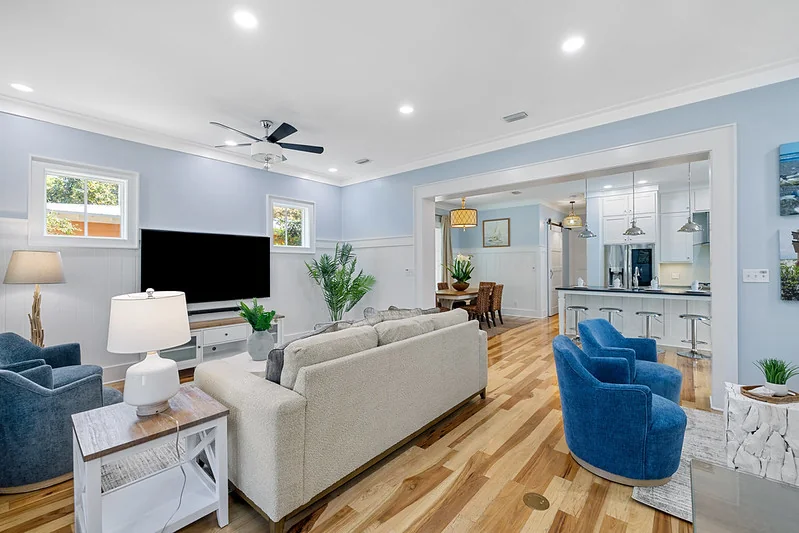
Mega-Rental / Specialty Flagship is the highest tier in the FPUSA framework, sitting above Luxury Estate. While Luxury Estate emphasizes premium materials and execution depth for high-end individual stays (often at 5–10BR), Mega-Rental emphasizes scale, group-travel positioning, and destination-property amenity depth (typically 10BR+). The two tiers can overlap — an 11BR luxury group-travel property requires both the materials of a Luxury Estate and the operational scale of a Mega-Rental — but the Mega-Rental tier is defined by its capacity to host 20–40 simultaneous guests without operational failure or amenity crowding.
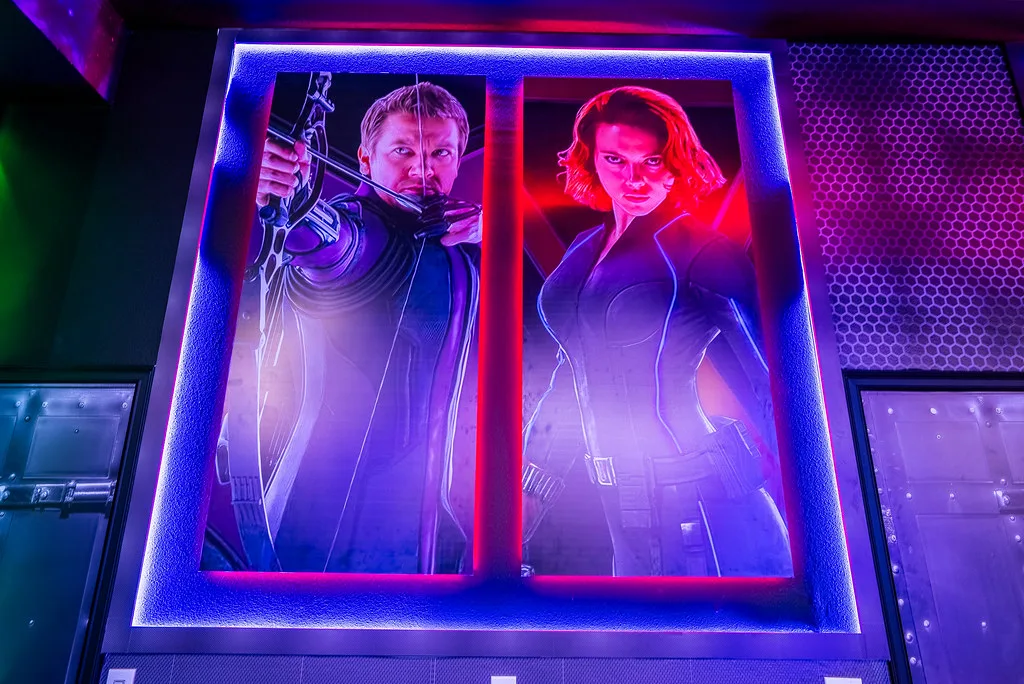
The non-linear budget shift: multi-zone amenity setups
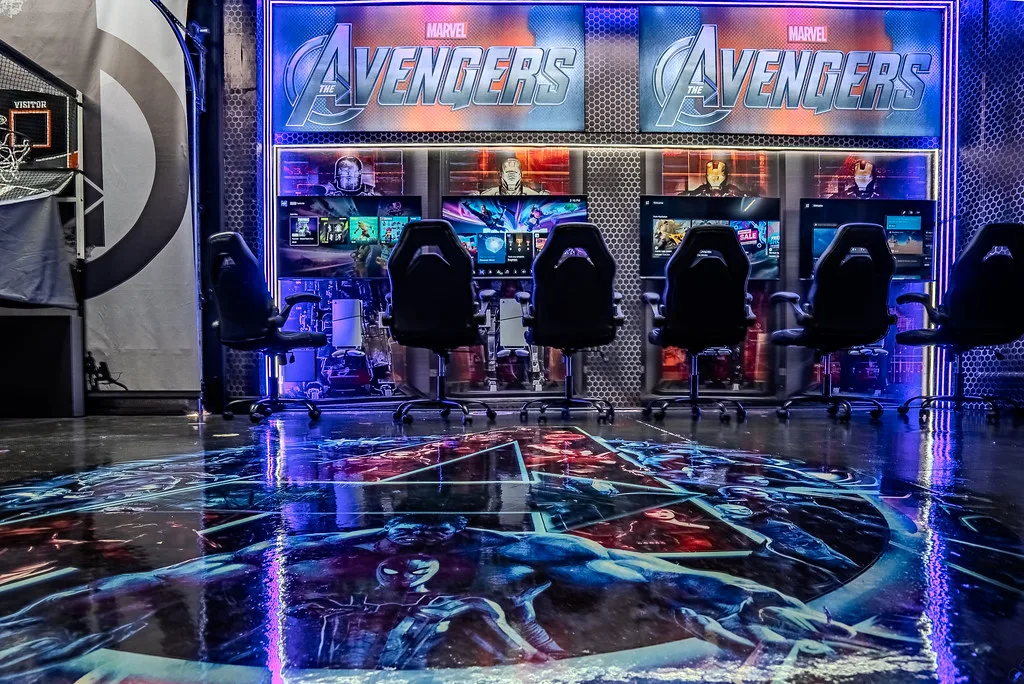
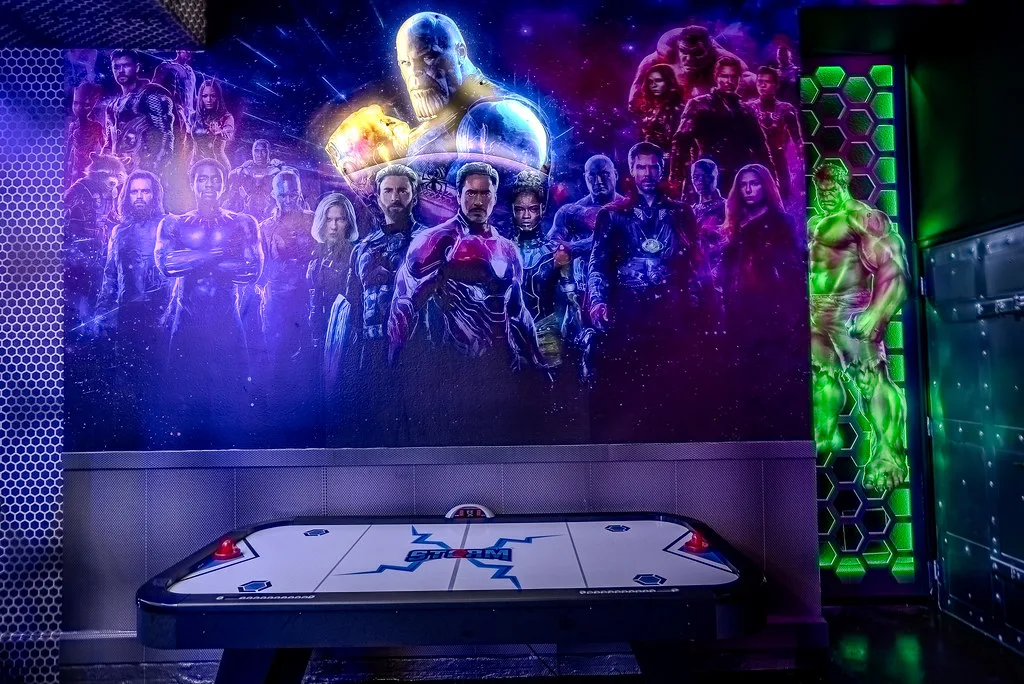
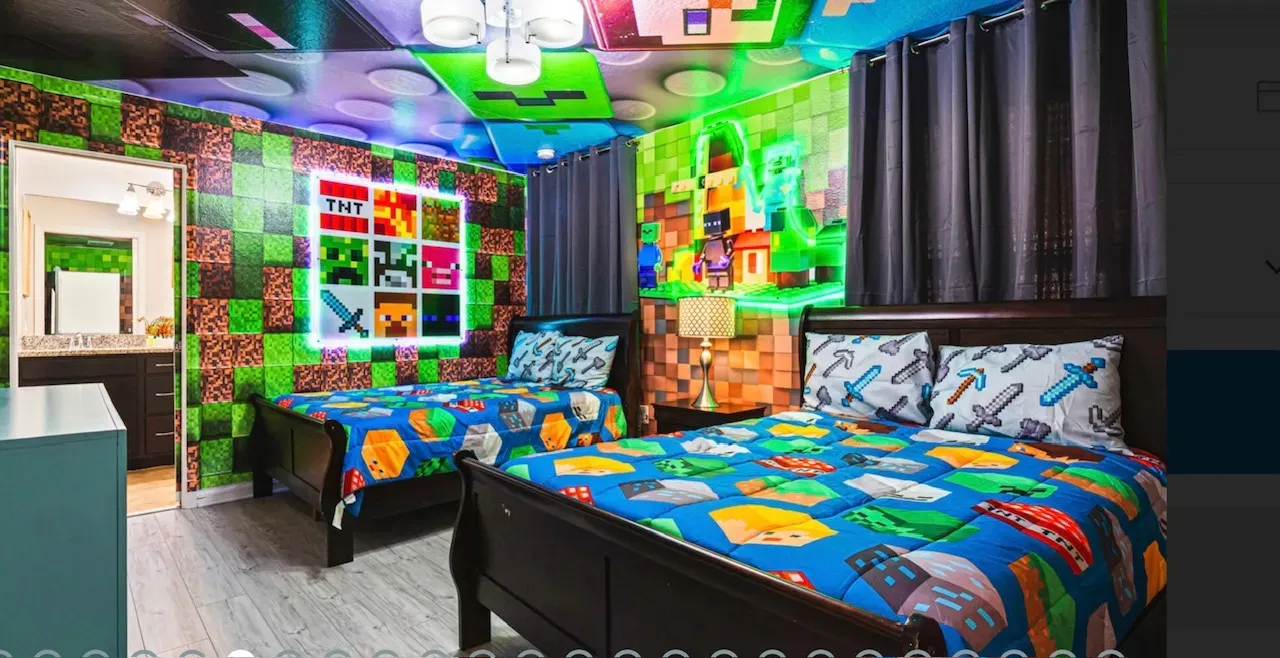
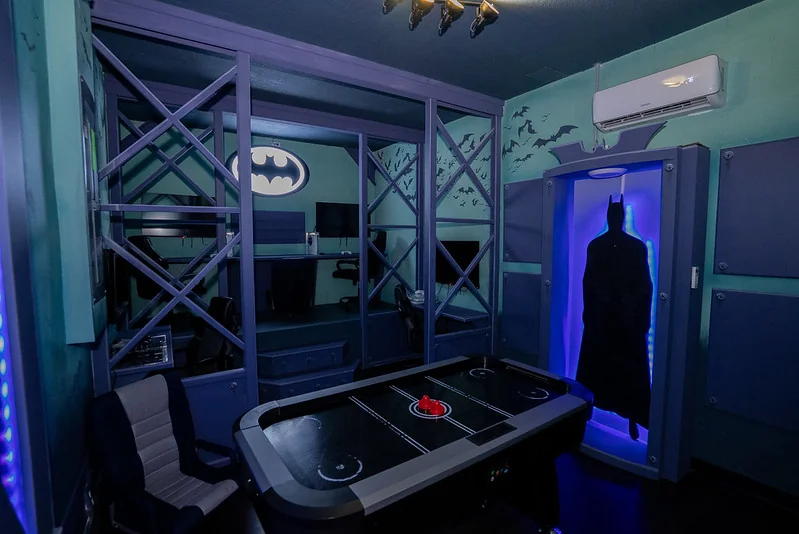
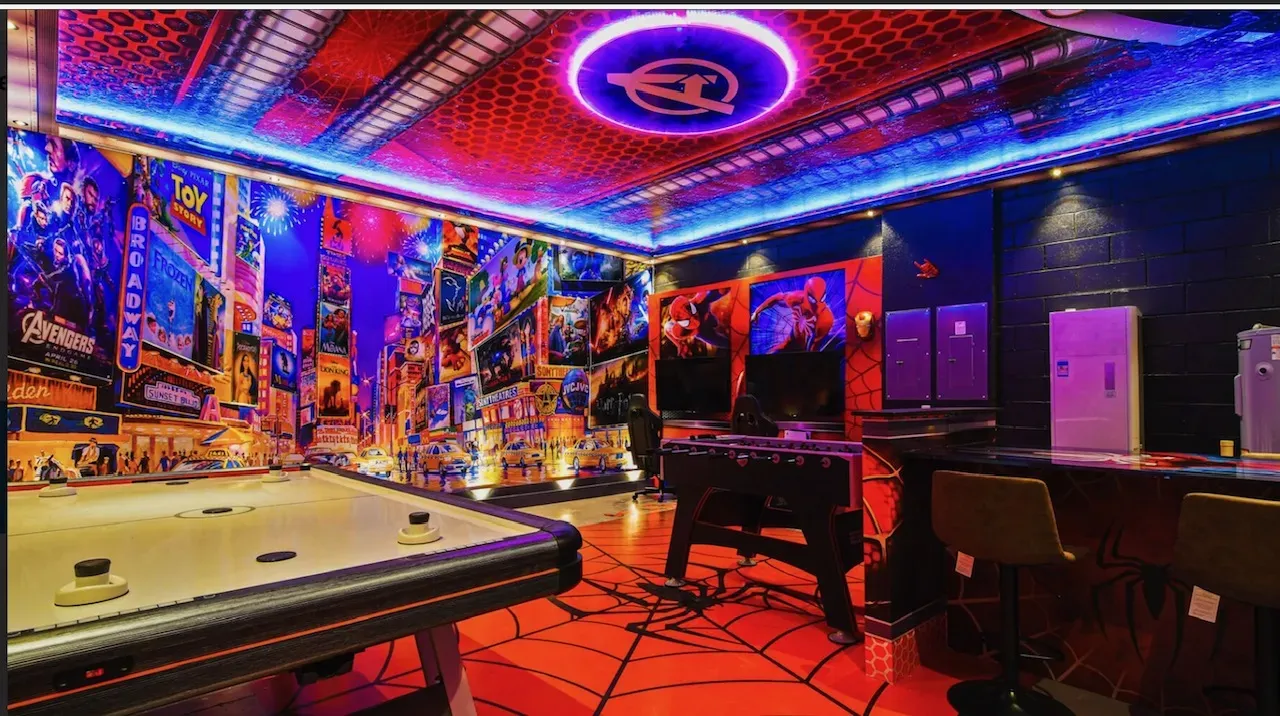
The largest structural difference between an 8BR Luxury Estate and a 12BR Mega-Rental is the multi-zone amenity setup. An 8BR property typically has one game room, one theater, one themed bunk room. A 12BR property competing at the top of its market tier typically has a multi-room game zone (classic arcade room + separate simulator room), a dedicated theater, 2–3 distinct themed bunk rooms (e.g., one Disney-corridor themed, one sports-themed, one luxury-themed), and multiple outdoor entertainment zones. The budget does not scale linearly by bedroom count; it scales non-linearly because the amenity setup multiplies.
Operational infrastructure for 20–40 guests
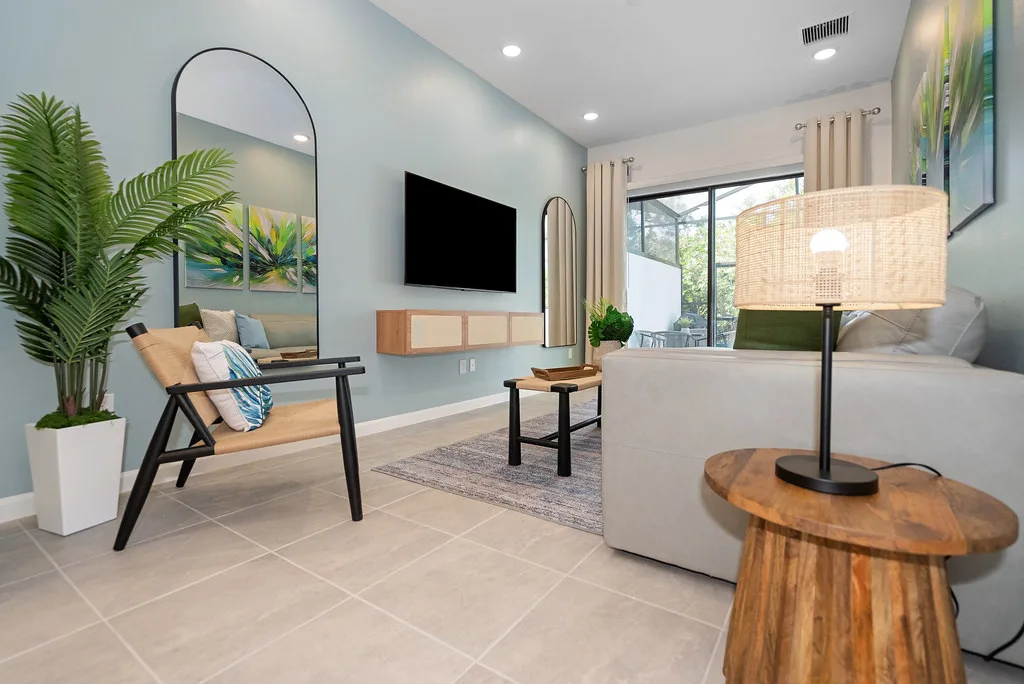
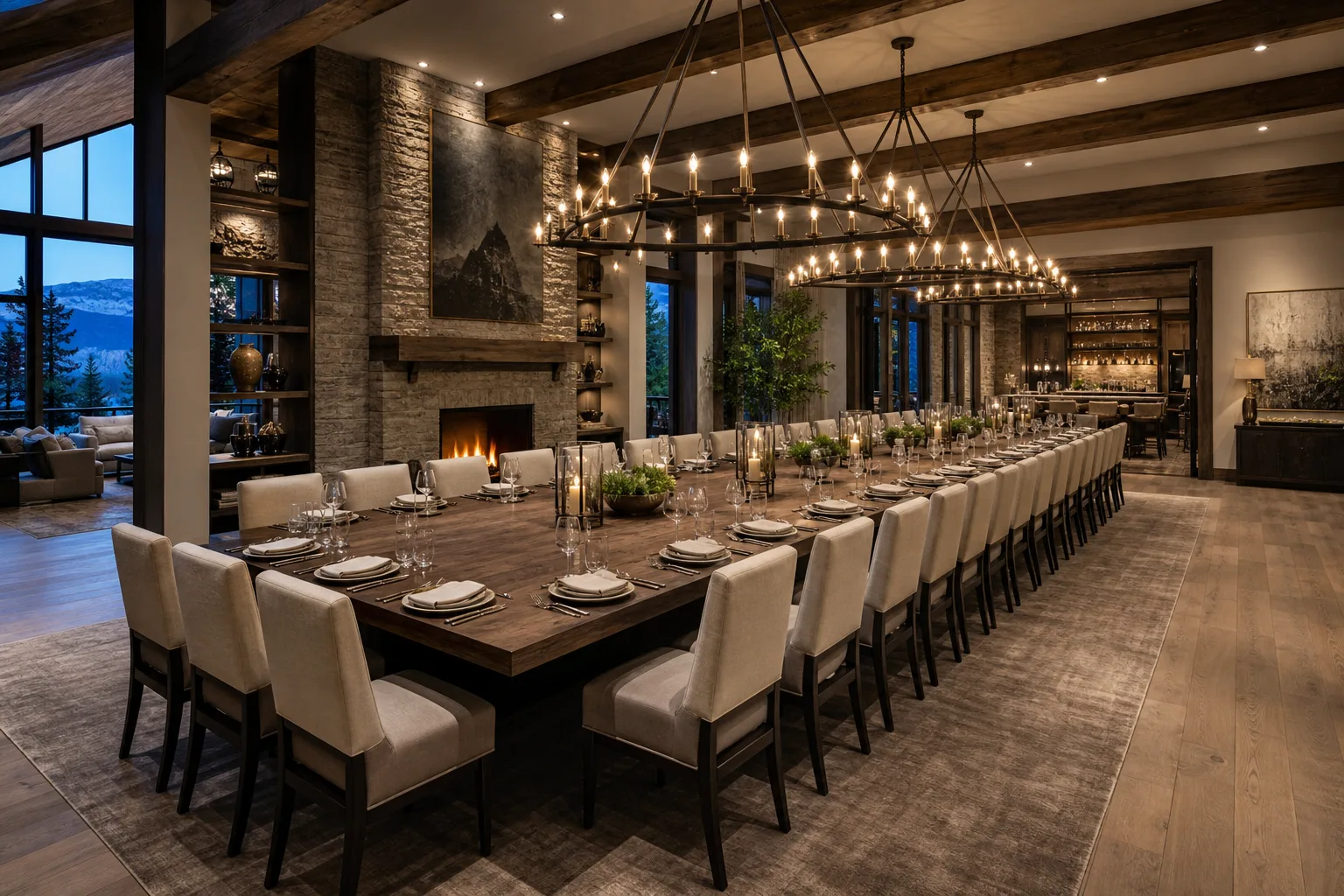
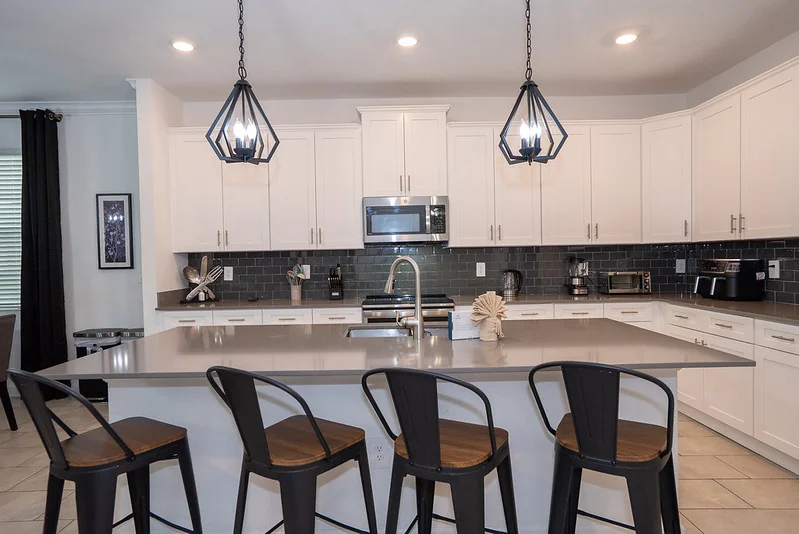
Furnishing a property for 30 simultaneous guests requires commercial-grade operational infrastructure that smaller properties do not need. Dining capacity must support the full guest count (often requiring dual dining tables, massive kitchen island seating, and expanded outdoor dining). Houseware kits must scale to commercial depth — dual coffee stations, dual dishwashers (requiring 2x the standard plate/glassware rotation), commercial-scale cookware, and massive bath-linen inventories. The houseware budget at Mega-Rental scale is a material line item, not a rounding error.
Custom fabrication at scale
Mega-Rental scope almost always involves custom fabrication at scale. Multiple themed bunk rooms require custom millwork to safely sleep 8–12 guests per room. Multi-zone game rooms require custom built-ins, integrated lighting, and acoustic treatments. Theater rooms require tiered seating platforms and custom acoustic paneling. The fabrication budget at this tier is a primary cost driver, moving the planning range substantially higher than assembled-scope equivalents.
The group-travel booking audience
Mega-rentals target a specific booking audience: multi-family vacations, corporate retreats, sports teams, and reunion groups. This audience evaluates listings based on gathering spaces and amenity depth, not just bedroom count. If a 14BR property has dining seating for 12 and a single living-room sectional, the group-travel audience will skip it for a 12BR property with proper group-scale infrastructure. The furnishing scope must solve the group-travel logistics problem. We've seen a 14-bedroom property lose repeat-group bookings to a smaller 11-bedroom competitor for exactly this reason — the 14BR had two dining tables seating 10 apiece but only one working kitchen island, so half the group ate cold food while the other half waited for stove space. Group-travel guests talk to each other before rebooking; a bottleneck like that shows up in group chats and referral bookings long before it shows up in a review.
Install logistics at Mega-Rental scale
Install windows for Mega-Rental scope typically run 14–20 weeks. The logistics involve multi-vendor coordination across custom fabrication, designer-trade procurement, commercial equipment installation (simulators, arcade systems), and massive freight volumes. The install phase itself can take 7–14 days on-site, requiring phased staging and complex punch-list management. Compressing the install window at this scale produces execution failures and launch delays.
How FPUSA scopes Mega-Rental projects
Our Mega-Rental scoped proposals break out the multi-zone amenity setup explicitly: each themed room, each game zone, the theater, and the outdoor zones have dedicated line items. Custom fabrication is scoped separately from assembled furniture. Houseware kits are explicitly sized to the 20–40 guest capacity with commercial-depth tooling. The proposal reflects the destination-property reality, not a linear extrapolation of a smaller home. On a typical 12-bedroom project, that means the proposal runs 20-plus line items rather than the 8–10 you'd see on a standard 6-bedroom full amenity package build — three or four themed rooms, a multi-zone game area, a dedicated theater, and two or three distinct outdoor zones all priced independently, so you can see exactly where the budget concentrates before you approve the scope.
What to do first this week
Open three same-bedroom-count comps on Airbnb or VRBO and screenshot bunk photos, outdoor dining seats, and primary suite finish. List where your home falls short — that gap list becomes your furnish scope. Send your floor plan for a scoped proposal.
What we see go wrong
- Extrapolating the budget linearly from a smaller property — assumes a 12BR is just twice a 6BR, ignoring the multi-zone amenity setup and commercial-scale infrastructure.
- Sizing dining and living-room seating below maximum guest capacity — produces a property that sleeps 30 but can only seat 12, alienating the group-travel audience.
- Under-scoping the houseware kit — failing to provide the commercial-depth cookware, dual coffee stations, and massive linen inventory required for 20–40 guests.
- Compressing the install window — attempting to install a Mega-Rental in a 6–8 week window produces execution failures and launch delays.
- Single-theme or single-amenity focus — building a 14BR property with only one themed room or one basic game room, failing to compete against multi-zone destination properties.
Related Community Guides
Eight Core Services
Turnkey to Themed Rooms — All Under One Roof
Full furniture packages, STR interior design, themed kids suites, game room conversions, property prep, custom bunks, white-glove install, and listing-ready staging — for vacation rentals and second homes across Orlando, Kissimmee, Davenport, and the full Florida STR market.
Frequently Asked Questions
How is Mega-Rental scope structurally different from Luxury Estate scope?
Luxury Estate emphasizes premium materials and execution depth for high-end individual stays (often 5–10BR). Mega-Rental emphasizes scale, group-travel positioning, and destination-property amenity depth (typically 10BR+). Mega-Rentals require multi-zone amenity setups (multiple themed rooms, multiple game zones) and commercial-grade operational infrastructure (dining/housewares for 20–40 guests) that Luxury Estates may not need.
Why does the budget scale non-linearly at 10BR+?
Because the amenity setup multiplies. A 6BR property needs one game room; a 12BR property competing at the top of its market needs a multi-room game zone, a theater, and 2–3 themed bunk rooms. The custom fabrication and equipment costs for these additional amenity zones push the budget higher than a simple per-bedroom multiplier would suggest.
What is the most common furnishing mistake in mega-rentals?
Mismatched capacity. Sleeping 30 guests but only providing dining seating for 14, living-room seating for 10, and a houseware kit sized for a standard home. Group-travel audiences evaluate listings based on whether the whole group can gather, dine, and operate comfortably.
How long does a Mega-Rental furnishing project take?
Typically 14–20 weeks from signed scope to launch. This includes custom fabrication lead times, designer-trade procurement, commercial equipment sourcing, and a 7–14 day on-site install phase. Projects requiring extensive custom millwork or specialized simulator equipment sit at the longer end of that range.
Does a Mega-Rental always need luxury-tier materials?
Not always, but it needs extreme durability. A 14BR property hosting sports teams or large reunions puts immense wear on upholstery, case goods, and flooring. While it may not need designer-trade silks, it absolutely needs commercial-grade performance fabrics, heavy-duty frame construction, and hospitality-grade finishes to survive the turnover volume.
What should I do first?
Pull three in-community comps with your bedroom count, note bunk, outdoor, and primary suite in the hero photos, then send your floor plan. We match package tier to that comp set before you order furniture.
What happens if my mega-rental books a group larger than the furnished seating capacity?
This is exactly the gap that damages reviews at this scale — a property that sleeps 32 but seats 20 for dinner gets called out by name in guest feedback. Size dining and living-room seating to the platform's listed maximum occupancy, not to a “typical” group size, and budget overflow seating (stackable chairs, a folding secondary table) as a small standing line item rather than hoping the largest bookings never happen.