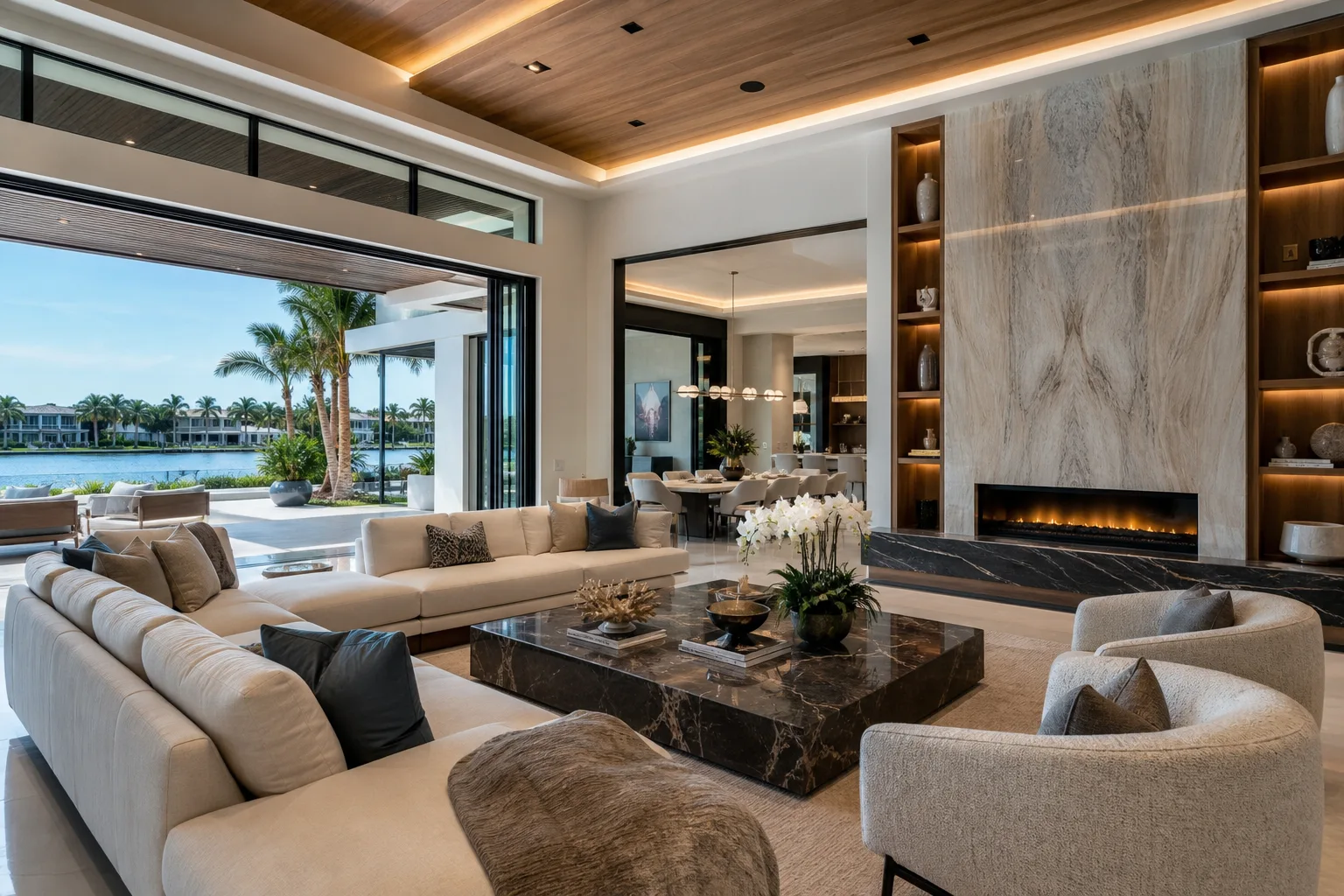
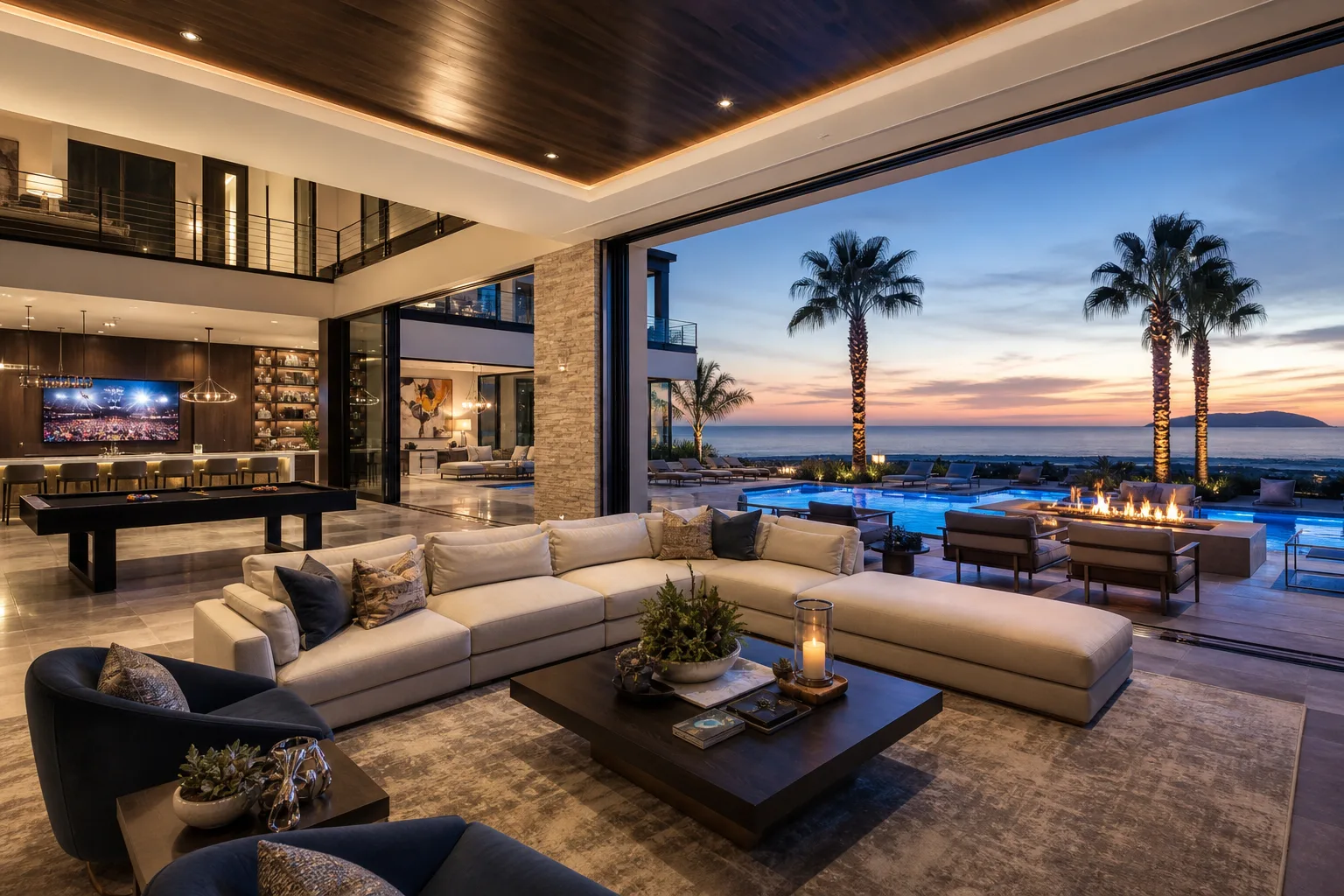
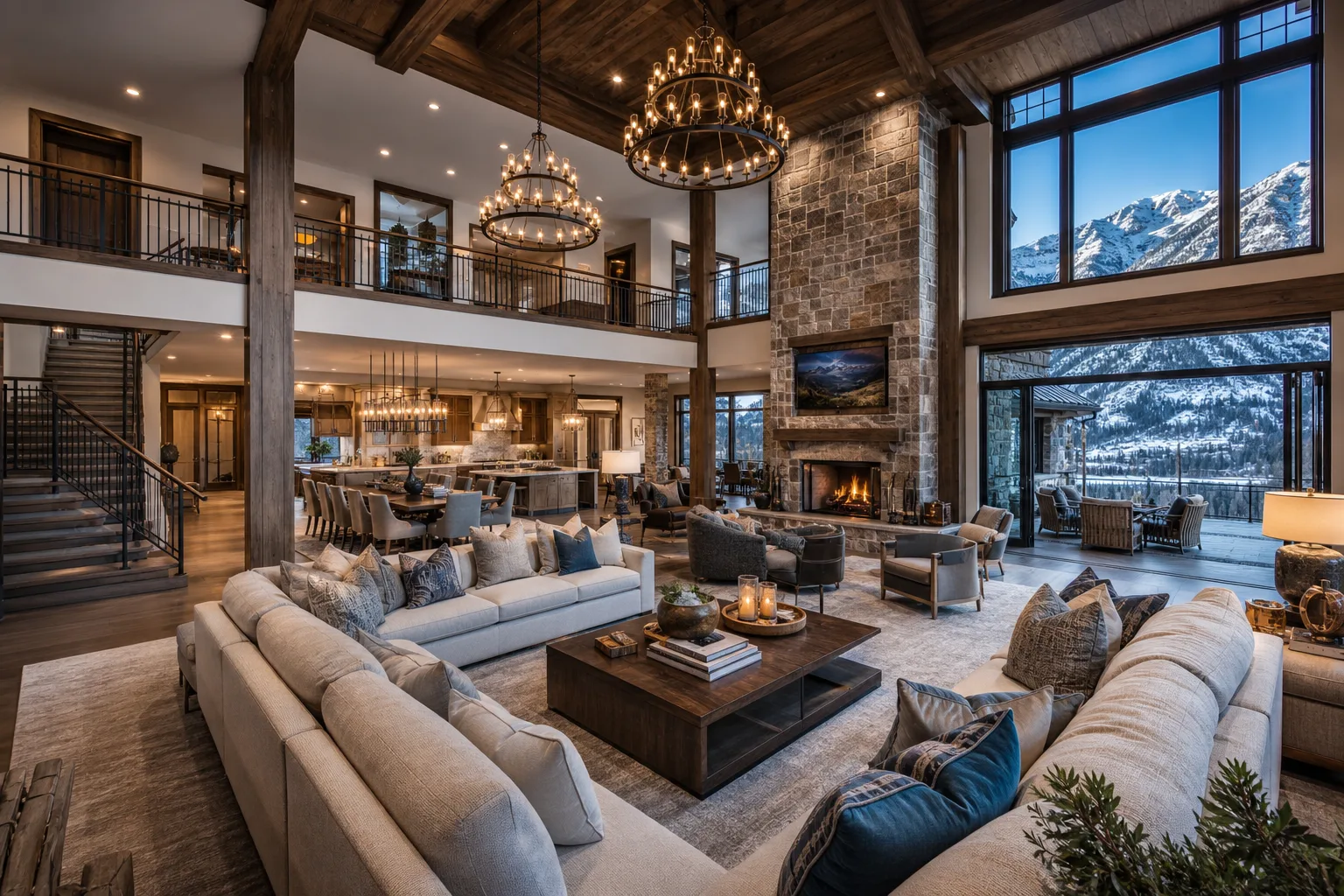
Luxury STR Furnishing Scope
A package level definitional guide for Luxury Estate STR furnishing — what materially distinguishes luxury-tier scope from premium full amenity package, where the budget shifts, and how owners decide whether luxury-tier is the right call.
Sound familiar?
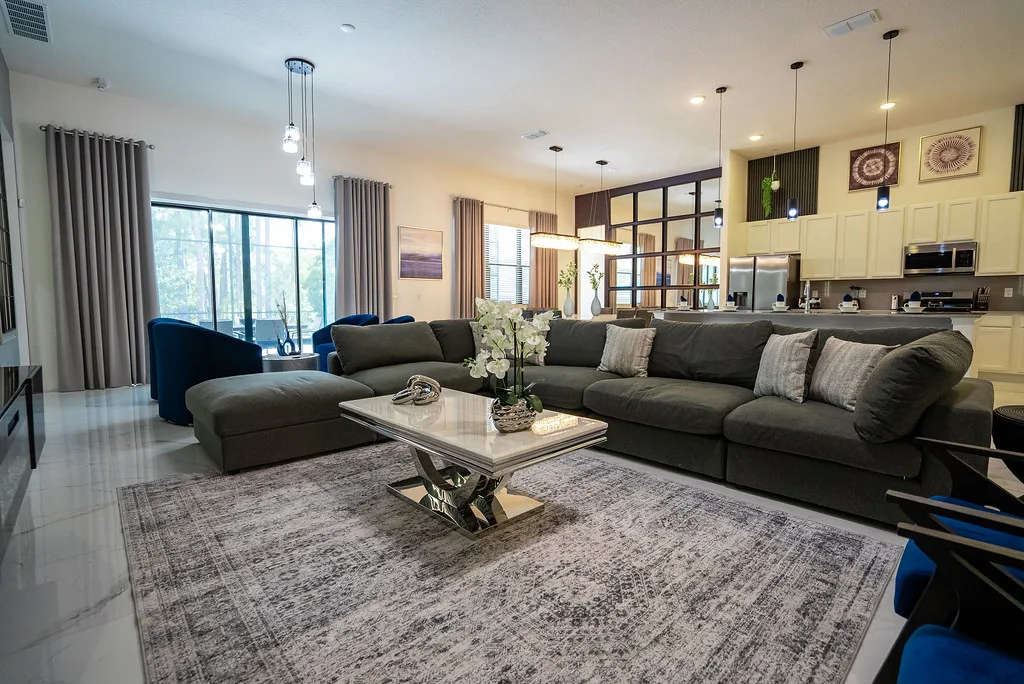
Luxury STR scope is one of the most misused terms in the vacation rental furnishing conversation. Owners labeling a property “luxury” without package level discipline produce proposals that sit at launch-ready package or full amenity package under a luxury label — or worse, properties marketed as luxury that compete for a lower guest tier than their listing positioning suggests. The luxury tier is a specific scope definition with specific materials, amenity expectations, and execution depth. It is not a label.
In short
- Luxury Estate is a specific package level in the FPUSA framework — not a label. It has specific materials, amenity expectations, and execution depth requirements.
- Three structural differences from full amenity package: hospitality-grade materials, theater/spa-bath/designer-outdoor amenity scope, and 10–16 week multi-vendor install logistics.
- Luxury Estate scope can apply at smaller bedroom counts than full amenity package — luxury is defined by materials and execution, not bedroom count.
- Property-fit decision factors: nightly-rate positioning, physical infrastructure depth, neighbor neighborhood comps, booking-audience segment.
- Luxury Estate scope typically sits 1.5–2.5x full amenity package budget for the same property. The differential is in materials, lighting, art, and execution depth, not just total cost.
This is a definitional guide to Luxury Estate scope in the FPUSA package level framework — not a build catalog and not a sales positioning piece. The luxury villa furnishing guide covers build execution and materials at the luxury tier; this post covers what structurally distinguishes luxury-tier scope from premium full amenity package, where the budget shifts, and how owners decide whether luxury-tier is the right scope conversation for their property. Final pricing requires a scoped proposal.
What to consider
The five package levels, and where Luxury Estate sits
The FPUSA package level framework runs across five tiers: Launch-Ready (budget-conscious launch packages), launch-ready package (full STR-grade launch with complete houseware depth), full amenity package (Disney-corridor resort homes with themed bunk, game-room, expanded outdoor scope), Luxury Estate (premium STR build with hospitality-grade materials, multi-zone living, theater, premium housewares), and Mega-Rental / Specialty Flagship (8BR+ destination properties, themed scope at scale, group-travel positioning). Luxury Estate sits between full amenity package and Mega-Rental in scope expectations — not always larger than full amenity package by bedroom count, but materially deeper in materials, amenity depth, and execution. A 6BR luxury estate can sit above an 8BR full amenity package in scope intensity even though the bedroom count is smaller.
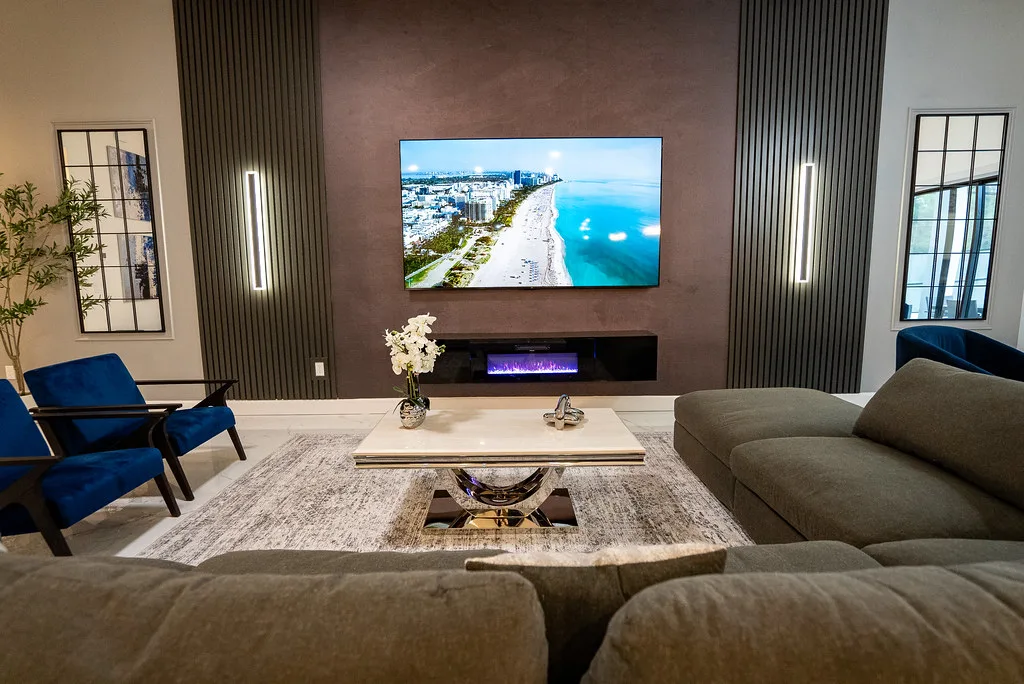
What structurally distinguishes Luxury Estate from full amenity package
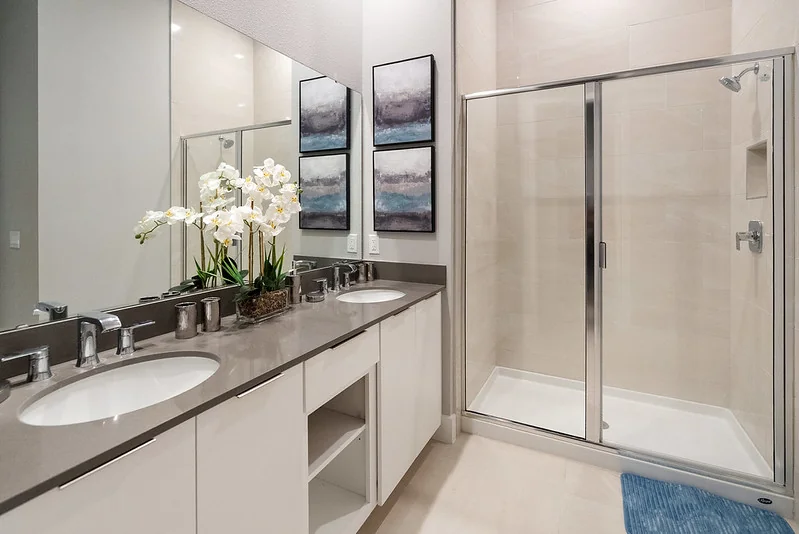
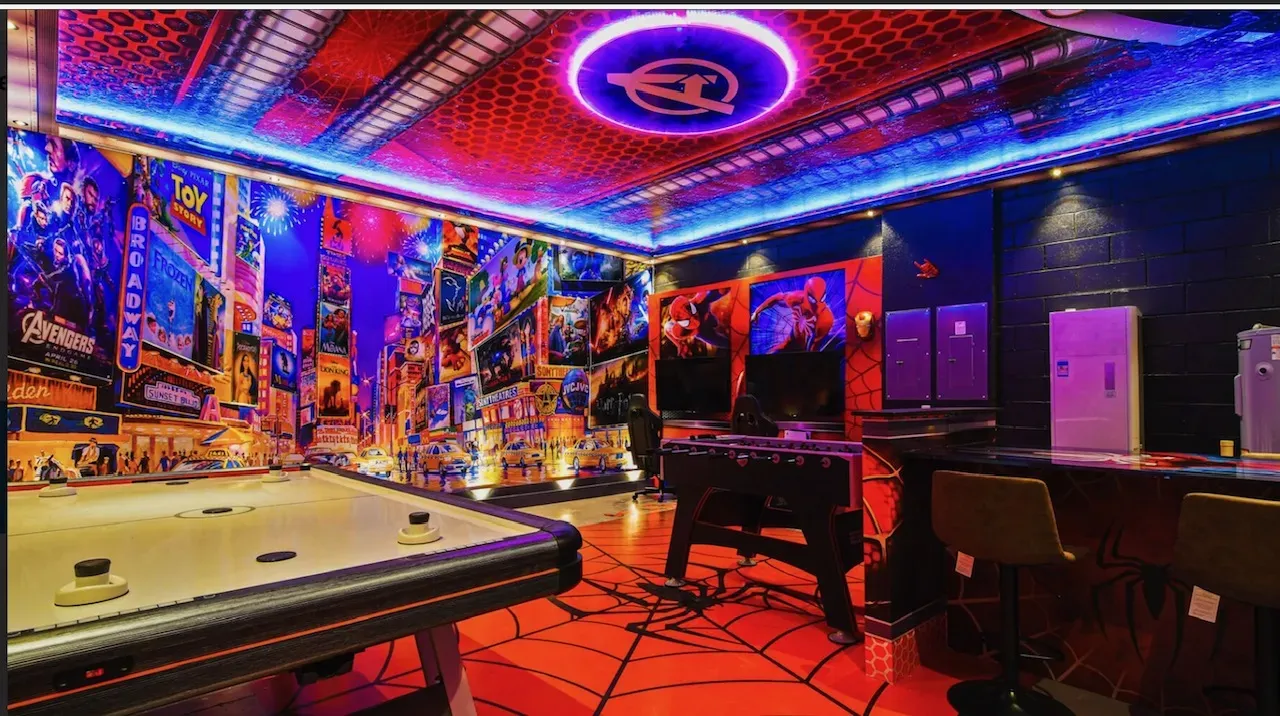
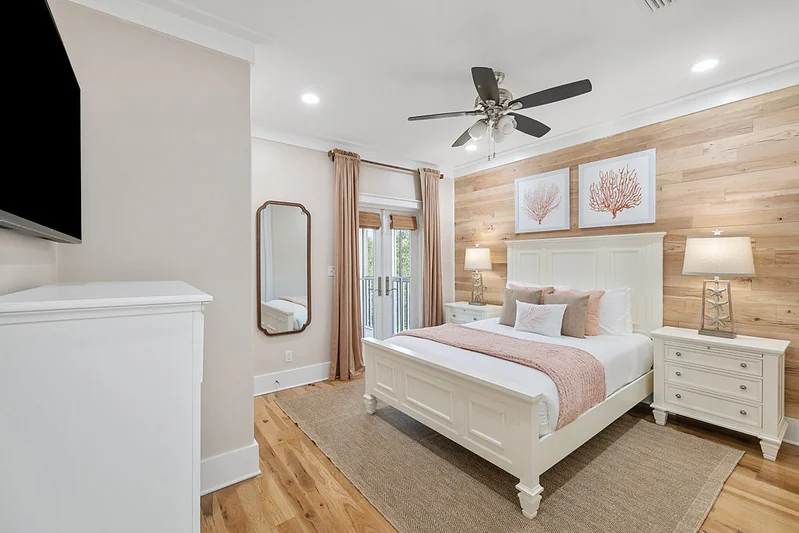
Three structural differences separate the two tiers. Materials: full amenity package uses STR-grade performance materials (commercial-grade fabrics, performance velvets, durable hardwoods, engineered surfaces); Luxury Estate uses hospitality-grade materials (designer-trade upholstery, premium hardwood and inlay, natural stone, premium metals, designer-trade lighting). Amenity expectations: full amenity package includes themed bunk and game-room scope at standard execution; Luxury Estate includes theater rooms, premium spa-bath finishes, designer outdoor zones, and amenity differentiation expected at the price point. Execution depth: full amenity package runs single-vendor or limited multi-vendor coordination; Luxury Estate runs multi-vendor coordination across designer-trade procurement, custom fabrication, designer-lighting installation, and art curation, with materially longer install windows (10–16 weeks vs 6–8 weeks).
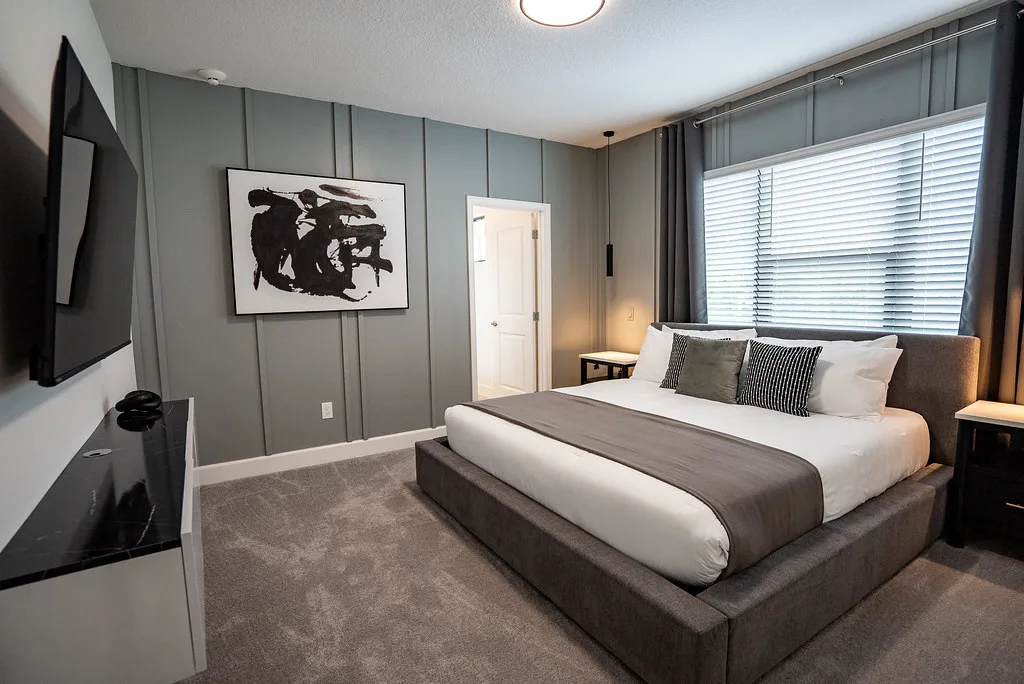
When luxury-tier scope is the right call for the property
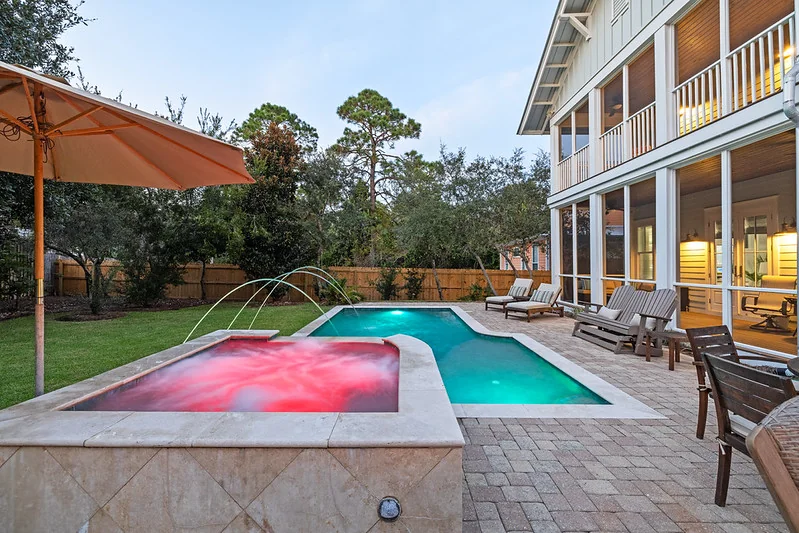
Luxury-tier scope is the right call when (1) the property’s neighborhood comps runs luxury — same-floor-plan neighbors at Reunion Resort, Bear’s Den, premium Encore homes, premium Solara, Windsor Cay Luxury, luxury Naples or Miami coastal properties; (2) the property’s nightly-rate positioning targets the luxury booking segment, where guests evaluate listings against high-end residential vacation experiences; (3) the property’s physical infrastructure justifies the scope — multi-zone living, dedicated theater space, spa-bath finishes, premium outdoor entertaining capacity. Luxury-tier scope is the wrong call when the property would compete equally well at full amenity package, the nightly-rate positioning targets the family-resort segment, or the physical infrastructure does not support the amenity depth that luxury guests expect.
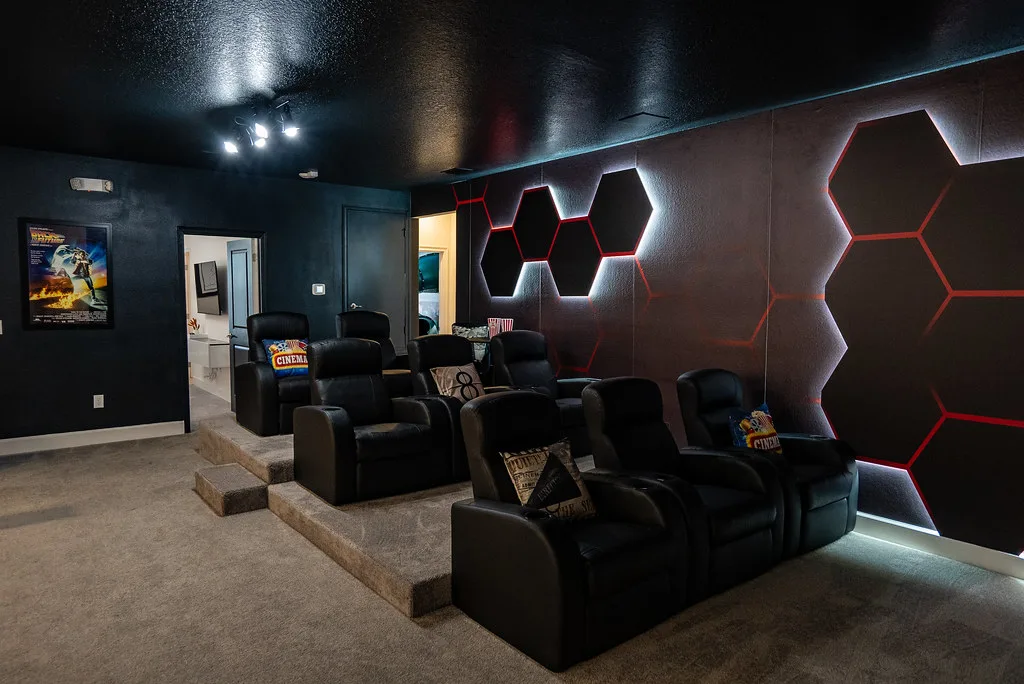
Where the luxury-tier budget shifts
The Luxury Estate budget shifts compared to full amenity package in five categories. Upholstery and case-goods materials: designer-trade and hospitality-grade selections sit 2–3x above STR-grade equivalents within the same room layout. Lighting: designer-trade lighting (statement chandeliers, custom sconces, architectural lighting integration) typically runs 3–5x the full amenity package lighting budget. Art and accent: art curation, sculptural accents, designer-trade decor sit at a meaningful budget line item that full amenity package proposals often fold into general decor. Outdoor: hospitality-grade outdoor frames, designer-trade outdoor fabrics, fire-feature integration, and outdoor entertainment infrastructure sit at 1.5–2x the full amenity package outdoor budget. Specialty rooms: theater rooms, spa-bath finishes, wine-cellar integration, golf or racing simulator scope appear at luxury tier and rarely appear at full amenity package.
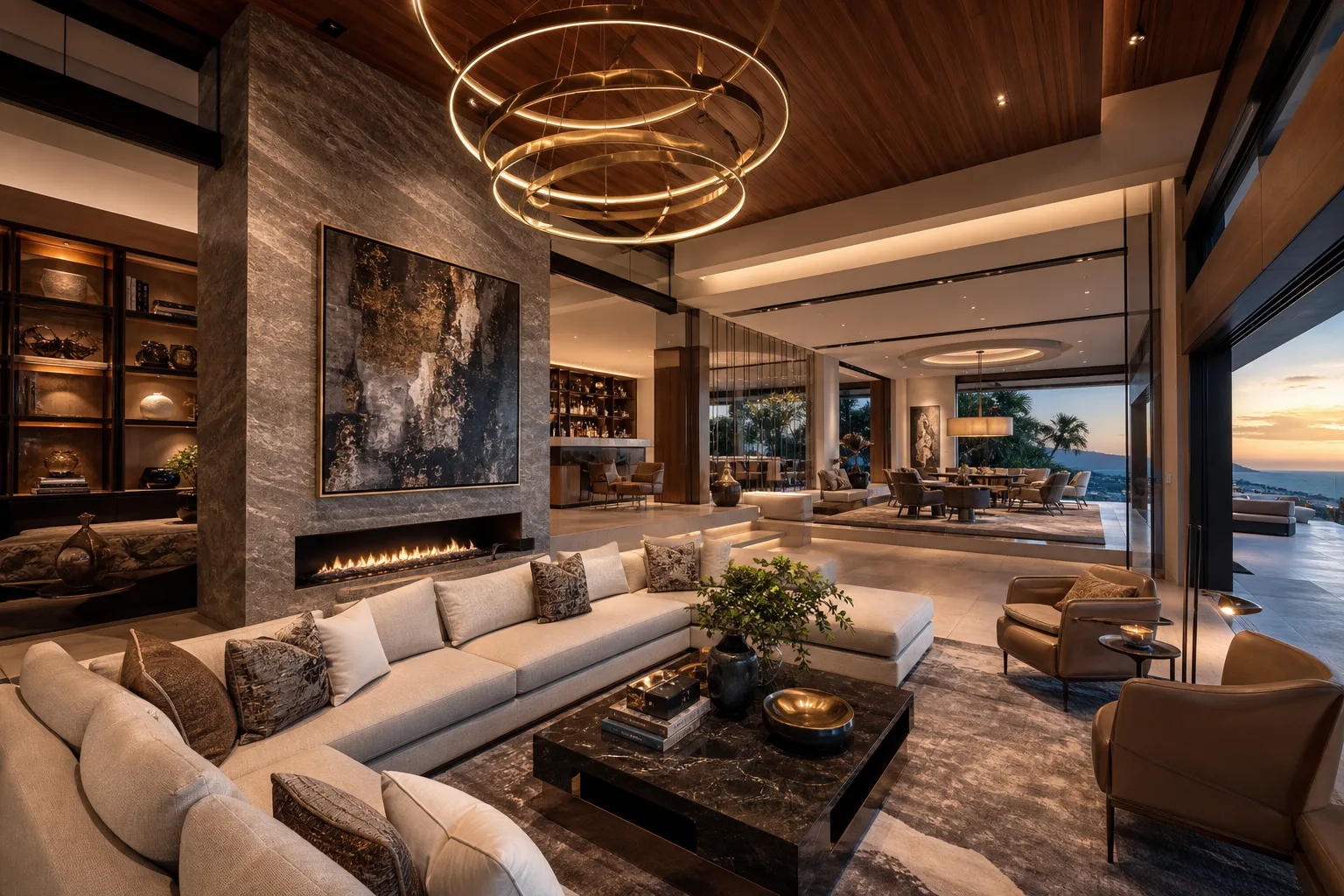
Luxury-tier guest expectations are different
Luxury STR guests evaluate listings against high-end residential vacation experiences — second homes, private rental experiences, hotel-suite alternatives. The listing photos-quality threshold is materially higher than family-resort STR listing photos quality. The review patterns are different (luxury guests review materials and design execution explicitly; family-resort guests review amenities and operational quality). The expected operational layer is higher (welcome packages, concierge handoff in some cases, premium turnover quality, in-property luxury amenities). The scope decisions need to support these expectations — not just match a higher price tag. We've seen luxury guests name specific materials in reviews — “the linens felt like a real hotel,” “the art actually looked curated, not stock” — in a way family-resort reviews almost never do; a scuffed baseboard or a visibly cheap lamp gets called out at this tier where it would go unnoticed in a launch-ready package review. That review pattern is why the materials-grade decision at luxury tier isn't cosmetic — it's the product guests are explicitly paying to evaluate.
Install logistics at luxury-tier scale
Luxury Estate install windows typically run 10–16 weeks across multiple vendor streams (designer-trade procurement, custom fabrication, art curation, designer-lighting installation, premium outdoor selection). Mega-Rental and Specialty Flagship scope extends to 14–20 weeks for the most complex installs. The install logistics are non-trivial: multi-vendor coordination, designer-supervised install, in-property staging at scale, photography prep for hospitality-grade documentation. Owners scoping luxury-tier projects should expect install windows materially longer than full amenity package projects and procurement timelines that need to start earlier in the close-to-launch sequence. Owners closing on a luxury property in January targeting a February launch are almost always disappointed — designer-trade lighting alone can carry an 8–10 week lead time before it even ships, before installation and calibration. The realistic move is to start the design and procurement conversation the day you go under contract, not the day you close, so the 10–16 week clock is already running by the time you have keys.
Property-fit indicators for luxury-tier scope
Indicators that suggest luxury-tier scope is the right scope conversation: nightly-rate positioning above the 75th percentile in the market segment; property infrastructure that includes dedicated theater space, spa-bath finishes, premium kitchen layout, or wine-cellar capacity; same-floor-plan neighbors that compete on luxury amenity setup; booking-audience positioning targeting the luxury vacation segment; owner positioning that prioritizes long-term property value over rental-revenue maximization in the first 2–3 years. Indicators that suggest full amenity package is the right call instead: nightly-rate positioning at family-resort segment, property infrastructure at standard resort-corridor spec, neighbor neighborhood comps at full amenity package, booking-audience positioning at family-Disney-trip segment.
How owners decide between full amenity package and Luxury Estate scope
The decision belongs at the scope conversation, not at proposal-comparison time. The conversation usually involves: (1) reviewing the property’s neighborhood comps explicitly — what scope are same-floor-plan neighbors competing at; (2) reviewing the owner’s nightly-rate positioning and revenue strategy — luxury STRs typically run lower occupancy at higher nightly rates than full amenity package properties; (3) reviewing the property’s physical infrastructure — does it support the amenity depth luxury guests expect, or does it need infrastructure upgrades before furnishing scope can land at luxury-tier; (4) reviewing the long-term ownership strategy — hold-and-rent for 10+ years justifies premium investment more than 3–5 year hold-and-sell strategy.
How FPUSA scopes luxury-tier projects
Our Luxury Estate scoped proposals run more line-item categories than full amenity package proposals: designer-trade furniture by zone, hospitality-grade materials specification, designer-trade lighting allocation, art and accent budget, multi-zone outdoor scope, specialty-room scope (theater, spa-bath finish, wine cellar), houseware-kit at Luxury Estate spec, install logistics across multi-vendor coordination, photography prep for hospitality-grade documentation. Project leads on luxury-tier projects manage a meaningfully different coordination layer than full amenity package projects — designer-trade procurement timelines, multi-vendor install logistics, art-curation coordination, and longer install-window discipline. The project-management discipline guide covers the oversight framework for these projects.
What to do first this week
Open three same-bedroom-count comps on Airbnb or VRBO and screenshot bunk photos, outdoor dining seats, and primary suite finish. List where your home falls short — that gap list becomes your furnish scope. Send your floor plan for a scoped proposal.
What we see go wrong
- Labeling a property as luxury without package level discipline — produces proposals at launch-ready package or full amenity package under a luxury label, or properties marketed as luxury that compete for a lower guest tier.
- Scoping luxury-tier projects without package level-appropriate install logistics — produces compressed install windows that under-deliver on luxury execution depth.
- Folding luxury-tier art, lighting, and accent budgets into general decor totals — obscures meaningful budget shifts and produces proposals that look comparable to full amenity package proposals but execute differently.
- Scoping luxury-tier projects at properties whose infrastructure does not support the amenity depth — produces premium investment in furniture and finish work that the property cannot showcase.
- Defaulting to luxury-tier scope on properties whose neighborhood comps runs full amenity package — over-scopes the project and reduces booking performance without matching booking-audience expectations.
- Skipping the property-fit conversation before package level conversation — produces proposals built against the owner’s aspirational positioning rather than the property’s actual neighborhood comps.
- Compressing luxury-tier install windows to match full amenity package timelines — produces install execution that does not match the materials and finish-level the package level requires.
Related Community Guides
Eight Core Services
Turnkey to Themed Rooms — All Under One Roof
Full furniture packages, STR interior design, themed kids suites, game room conversions, property prep, custom bunks, white-glove install, and listing-ready staging — for vacation rentals and second homes across Orlando, Kissimmee, Davenport, and the full Florida STR market.
Frequently Asked Questions
How is Luxury Estate scope structurally different from full amenity package?
Three structural differences. Materials: hospitality-grade and designer-trade selections vs STR-grade performance materials. Amenity expectations: theater rooms, spa-bath finishes, designer outdoor zones, art and accent scope at the luxury tier vs themed bunk and game-room at full amenity package. Execution depth: multi-vendor coordination across designer-trade procurement, custom fabrication, designer-lighting installation, art curation, with install windows of 10–16 weeks vs 6–8 weeks for full amenity package.
Does luxury-tier scope always cost more than full amenity package?
Yes — materially. A Luxury Estate scope at a given bedroom count typically sits 1.5–2.5x the full amenity package budget for the same property. The differential is not just total cost but allocation: luxury tier shifts budget toward materials, lighting, art, and execution depth that full amenity package does not fund. The cost pillar covers cost-by-bedroom-count and package level allocation in more depth.
Can a Luxury Estate property be smaller than an full amenity package property?
Yes — frequently. A 6BR Luxury Estate property can sit above an 8BR full amenity package property in scope intensity even though the bedroom count is smaller. Luxury Estate scope is defined by materials, amenity expectations, and execution depth, not by bedroom count. High-end coastal condos at 3–4BR can scope at Luxury Estate tier; mid-tier resort homes at 6BR can scope at full amenity package.
How do I know if my property warrants luxury-tier scope?
Property-fit indicators: nightly-rate positioning in the 75th percentile or above in the market segment; physical infrastructure that includes dedicated theater space, spa-bath finishes, premium kitchen layout; same-floor-plan neighbors competing at luxury amenity setup; booking-audience positioning toward the luxury vacation segment. If most of these indicators do not apply to the property, full amenity package is usually the right scope conversation.
What is the install-window difference between full amenity package and Luxury Estate?
full amenity package install windows typically run 6–8 weeks; Luxury Estate runs 10–16 weeks across multi-vendor coordination, designer-trade procurement, custom fabrication, art curation, and designer-lighting installation. The longer window is structural, not slow execution. Compressing luxury-tier install to full amenity package timelines produces execution that does not match the materials and finish-level the package level requires.
How does Luxury Estate scope differ from Mega-Rental / Specialty Flagship scope?
Luxury Estate scope emphasizes materials and execution depth at premium STR scale (typically 5–10BR with premium amenity setup). Mega-Rental / Specialty Flagship scope emphasizes scale and group-travel positioning (typically 10BR+ with multi-themed scope, multi-zone gaming, theater, and infrastructure for 20–40 simultaneous guests). The two tiers can overlap at 8–10BR luxury group-travel destination properties; for most projects the tier choice depends on the booking-audience positioning (luxury individual stays vs group-travel destination).
What should I do first?
Pull three in-community comps with your bedroom count, note bunk, outdoor, and primary suite in the hero photos, then send your floor plan. We match package tier to that comp set before you order furniture.
Can I start at full amenity package and upgrade specific rooms to luxury-tier later?
Yes — a common approach is to launch the whole home at full amenity package and phase a luxury upgrade into the primary suite, one themed room, or the outdoor zone once the property has booking history. Retrofitting materials-grade upgrades into an already-furnished room costs more than specifying luxury-grade from day one in that same room, so this path makes sense when cash-flow timing matters more than the lowest lifetime cost.