
Since 2001
Orlando, FL
FP

Financing available for qualifying projects · Flexible payment structures for investors & owners · Ask your FPUSA rep about partner lending options · Fast decisions • transparent terms • dedicated support

Now offering
New Construction Buyer Furnishing Packages. hero background
CO-Timed · Pre-Close Design

New Construction Buyer Furnishing Packages.

Built for the new-construction buyer process — pre-close design windows, CO-timed install coordination, builder access workflow, and the buyer-side decision sequence that protects the launch date. Different from a standard furnishing project because the property itself is still under construction.

Since 2001
Florida STR and residential furnish specialists
Verify on Sunbiz
4–6 Weeks
Typical timeline to install-complete for many properties
(407) 348-8848
Speak with our team about your floor plan

The buyer-process timing that makes or breaks the launch

New-construction buyer projects fail their launch dates more often than resale projects, and the failure is almost always upstream of furniture procurement. The actual timing problem is the sequence of buyer-side decisions: design center selections, builder option upgrades, structural deviations, custom-build features. By the time the buyer realizes furnishing scope decisions also need to happen, the launch date is 30–60 days away and the procurement timeline cannot absorb the compression.

The fix is upstream sequencing. We start scope conversations as early as the buyer can engage — ideally 90–120 days before estimated certificate of occupancy. That window covers initial scope alignment, design and selection work, procurement scheduling against expected CO timing, and the buffer required to absorb the inevitable CO-date slippage that new construction produces. Buyers who engage at 30 days pre-close or post-close still get a workable project; they get a less-comfortable timeline.

Design center vs furnishing scope — don’t double-pay or under-cover

Builder design centers cover finish-level selections (flooring, cabinetry, countertops, fixtures, paint, tile, lighting trim) but rarely cover the furnishing scope that actually fills the home. Buyers regularly under-budget for furnishing because they mentally allocate “the home is being finished by the builder.” The home is being structurally finished; the furnishing scope is separate and additive. Conversely, some buyers over-pay at the design center for upgrade options that look like furnishing (lighting fixtures, custom mirrors, built-in millwork) when those items can be sourced more flexibly through the furnishing scope.

We review the design center selections during the scope conversation and flag overlaps. Builder-grade pendant lighting in the great room is often replaceable with a designer-trade statement fixture at install time that meaningfully improves the carousel photography. Built-in millwork that the design center charges premium prices for can sometimes be sourced through the furnishing scope at a different price-point with comparable quality. The reverse is also true — some design-center upgrades (high-end flooring, premium kitchen appliances) are non-replaceable once the home closes and should be selected at the design-center stage.

Builder access and superintendent coordination

Builders maintain construction-site access protocols, insurance requirements, and superintendent schedules that affect furniture delivery and install timing. Furniture cannot hit the driveway until the home is far enough into final-finish phase to receive it cleanly — typically post-flooring, post-paint, post-trim, ideally post-cleanup. Pre-CO walkthroughs and final builder punch lists need to be cleared before install starts, or the furniture install gets caught in the middle of builder corrections.

We work with national builders (Lennar, Pulte, KB Home, M/I Homes, DR Horton, Taylor Morrison, Toll Brothers) and regional builders across Central Florida resort communities. The relationships matter for access coordination, superintendent communication, and the timing-flexibility that new construction requires. We do not ship furniture into homes that are not ready to receive it; we hold procurement at our warehouse if necessary to align with the actual CO date.

CO-date slippage is normal — plan around it

Certificate of occupancy dates slip. National builders typically slip 2–6 weeks against their target CO date for resort-corridor and luxury markets, and slip more during peak-construction or supply-chain-stressed periods. The original estimated CO date the buyer received at contract signing is closer to a target than a firm date, and the buyer-side launch planning needs to assume some variability.

We build CO-slippage absorption into the procurement plan. Procurement runs against the realistic CO window rather than the optimistic CO target. We hold furniture at our warehouse if the CO slips beyond the install window, and we re-sequence the install when the CO firms up. Buyers do not pay storage penalties for builder-caused slippage; we plan for it as standard project workflow rather than an exception.

Owner-occupant vs investor new-construction differences

Owner-occupant new-construction buyers want the home livable and styled to their family use case at move-in — typically a single relocation or seasonal move, with the family arriving over a 1–2 week move-in window. The scope decisions lean toward livability: family-friendly upholstery, work-zone planning, storage solutions, residential durability specifications, owner-supplied items (heirlooms, art, personal belongings) integrated into the scope.

STR investor new-construction buyers want the home launch-ready against a specific first-booking-week target. The scope decisions lean toward STR commercial: performance fabrics, sleep-count math, photo-carousel anchor logic, themed-bunk and amenity-stack scope where the property and audience justify it, complete houseware kit depth, listing-platform-ready staging. Both buyer types can benefit from new-construction furnishing; the scope conversation and the launch sequence differ meaningfully.

How we coordinate with the buyer’s deal team

New-construction buyer projects typically involve a coordination layer that resale projects do not have: the buyer’s realtor, the builder’s sales rep, the builder’s superintendent, the lender, sometimes the buyer’s attorney for new-construction purchase contracts. We do not need to be the operational bridge across all of those parties, but we do need to coordinate with the superintendent on access and timing, and we communicate milestone updates to the buyer’s realtor where the realtor is involved in the referral.

For PM-onboarding new-construction buyers (where a PM partner is already in place), the PM becomes one of the operational contacts during the install window. For independently-launched new-construction STR buyers, the install closeout includes the documentation the buyer will need to onboard with a PM partner post-launch if they choose to.

Package tiers & pricing

Tap a tier to expand its hero and read the scope details. Ranges are 2026 planning estimates; your proposal is itemized by room after we review the property.

Outdoor, themed rooms, and photography may be separate line items. Request a detailed quote for your property, or browse the full pricing-tier hub to compare scopes side-by-side.

Recommended package sizes

Browse the bedroom-count detail pages that most closely match this scope. Each page covers room-by-room budget logic, amenity stack, and listing-conversion strategy for that specific tier.

Eight Core Services

Turnkey to Themed Rooms — All Under One Roof

Full furniture packages, STR interior design, themed kids suites, game room conversions, property prep, custom bunks, white-glove install, and listing-ready staging — for vacation rentals and second homes across Orlando, Kissimmee, Davenport, and the full Florida STR market.

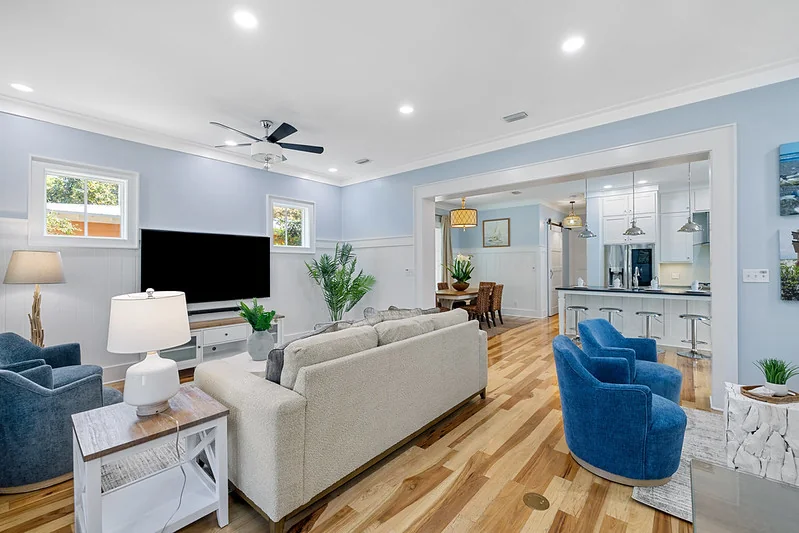
Open-concept living, dining, and kitchen with coordinated turnkey vacation rental furniture package

Turnkey Furniture Packages

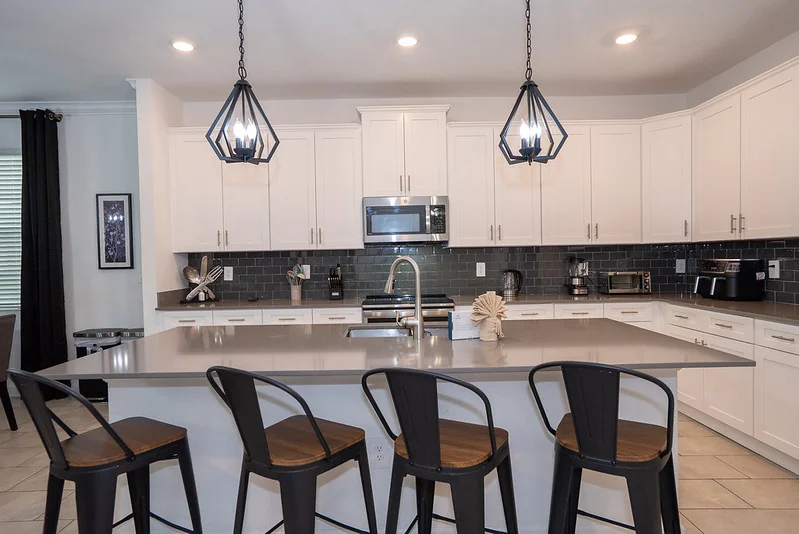
Vacation rental chef kitchen with STR interior design, durable finishes, and guest-ready layout

Vacation Rental Interior Design

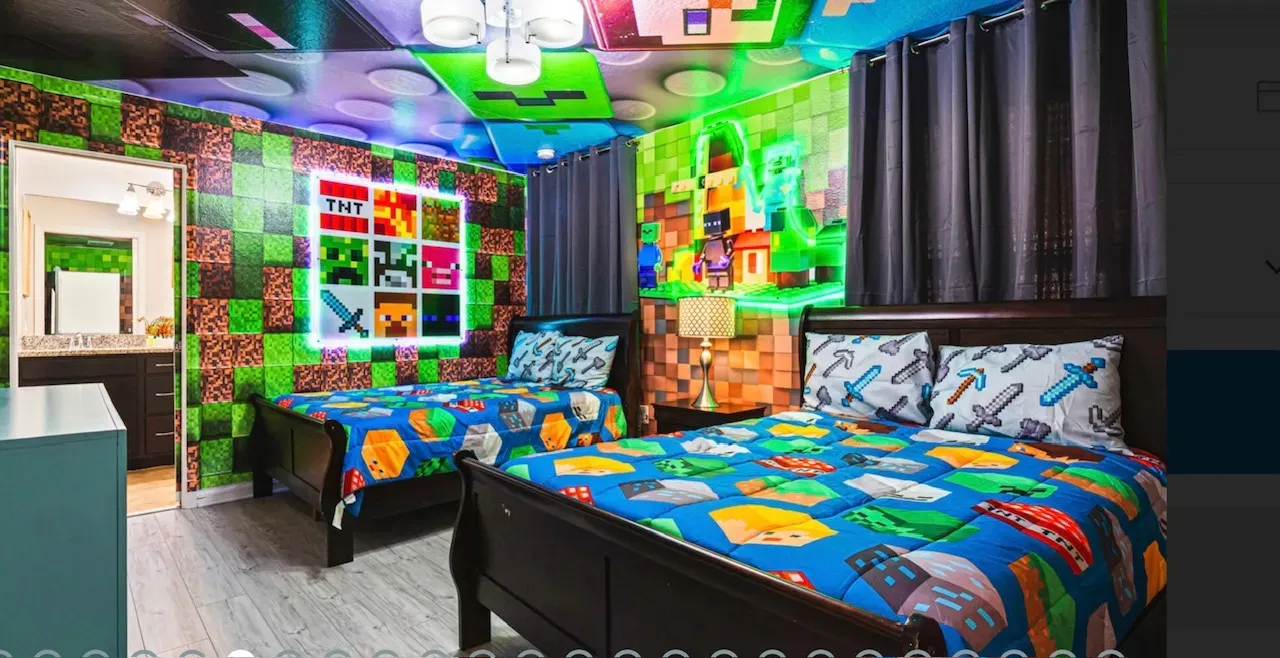
Classic mouse-inspired kids suite with custom bunk build and themed finishes for Orlando STR listings

Themed Rooms & Kids Suites

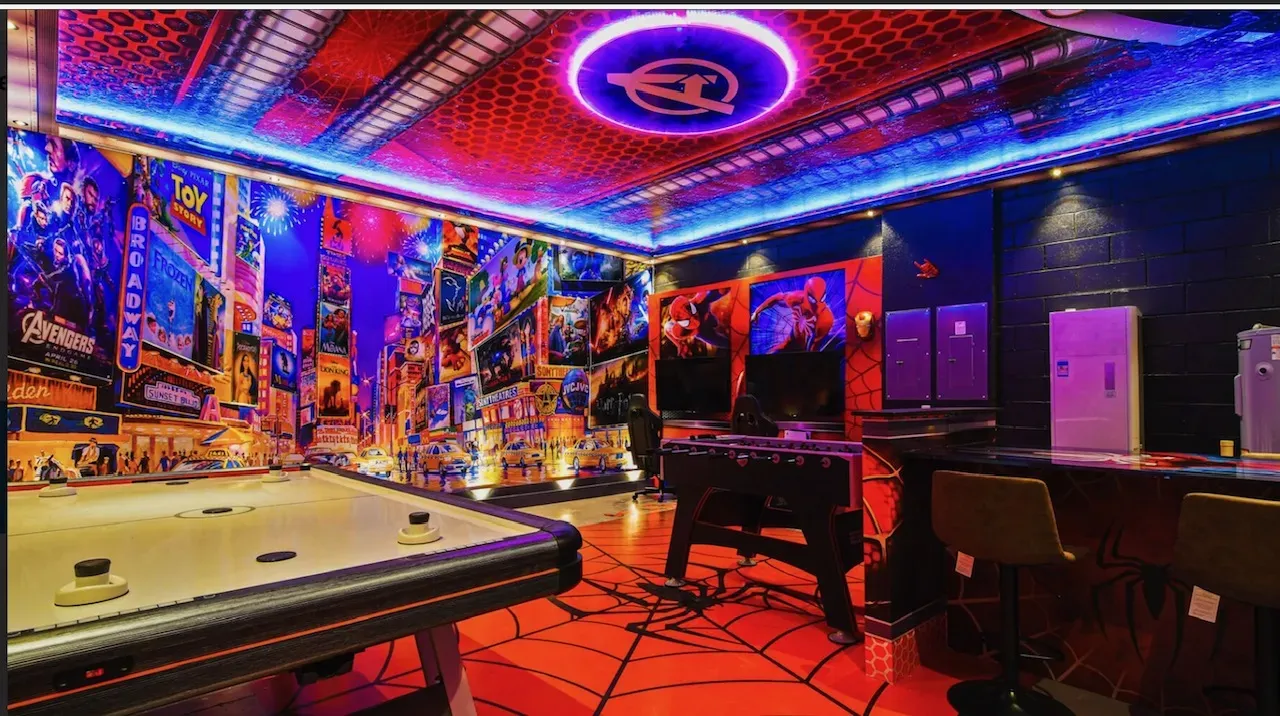
Converted garage game room with arcade cabinets, pool table, and family lounge seating

Game Room Conversions

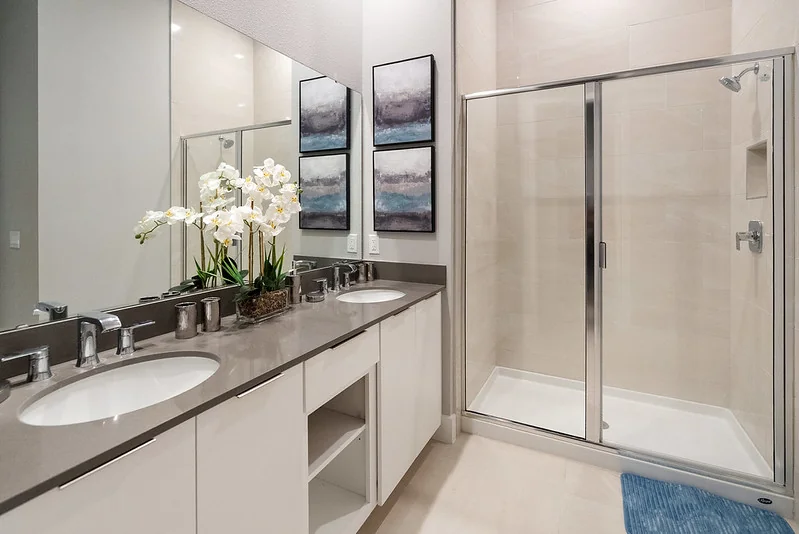
Primary spa bathroom with freestanding tub, double vanity, and upgraded vacation rental finishes

Property Prep & Finishes

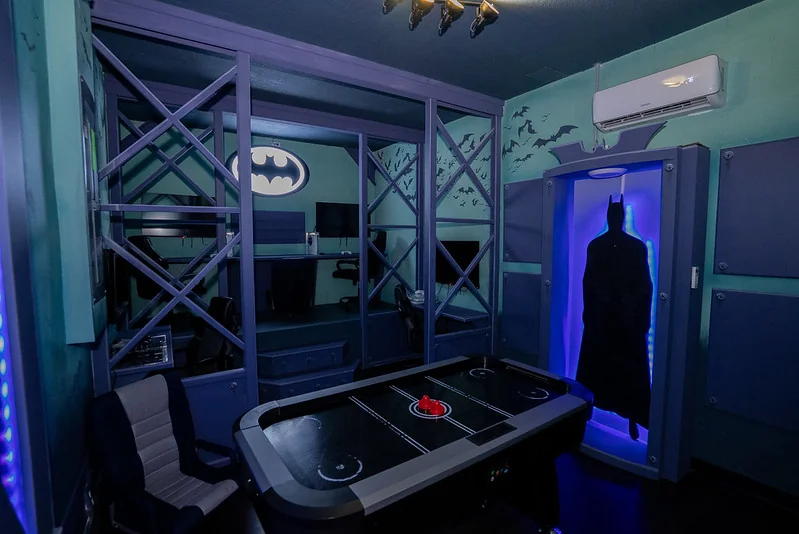
Custom superhero-themed bunk beds and built-ins adding sleep capacity in a vacation rental

Custom Bunk Beds & Built-Ins

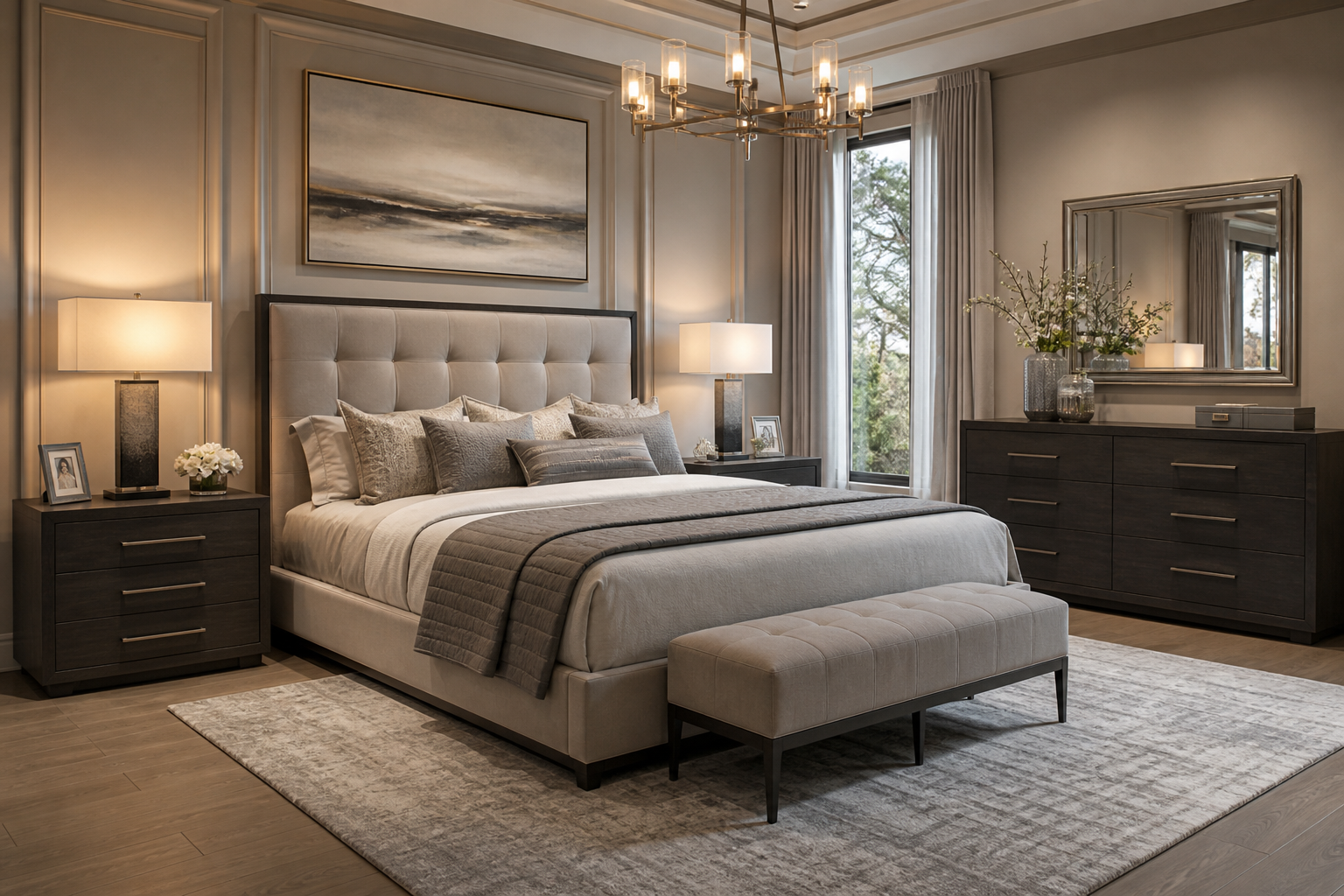
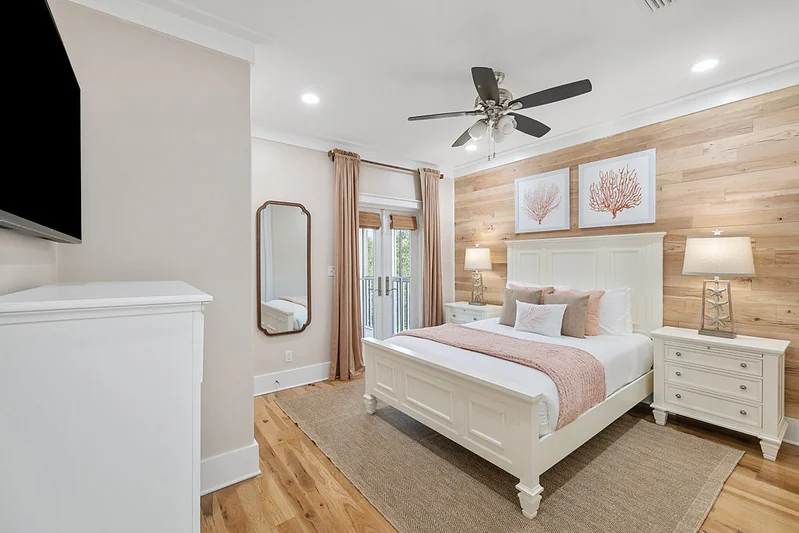
Primary bedroom with hotel-grade linens and white-glove install styling ready for guest check-in

Delivery & White-Glove Install

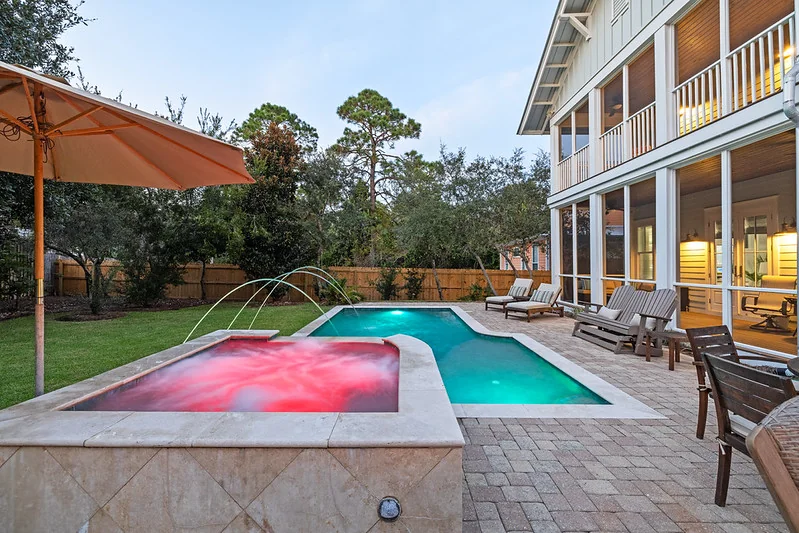
Pool deck and screened lanai at golden hour staged for Airbnb listing photography

Listing-Ready Staging

Frequently asked questions

Open-concept living, dining, and kitchen with coordinated turnkey vacation rental furniture package

How early in the new-construction buyer process should I engage on furnishing scope?

Ideally 90–120 days before estimated CO. That window covers initial scope alignment, design and selection work, procurement scheduling against the expected CO timing, and the buffer required to absorb CO-date slippage. Buyers engaging at 30–60 days pre-close still get a workable project; the timeline gets tighter and the buffer shrinks. Buyers engaging post-CO can still launch, but the launch-date target slips proportionally.

Vacation rental chef kitchen with STR interior design, durable finishes, and guest-ready layout

Should I make furnishing scope decisions before or after the design center selections?

Ideally in parallel, with the furnishing scope conversation informing some of the design center decisions. We review the design center selections during scope conversation to flag overlaps (items the design center is pricing as upgrades that can be sourced through the furnishing scope, and items the design center handles permanently that the furnishing scope cannot replace). The two scope conversations are complementary, not sequential.

Classic mouse-inspired kids suite with custom bunk build and themed finishes for Orlando STR listings

What happens if the certificate of occupancy slips?

Standard workflow. We build CO-slippage absorption into the procurement plan rather than running against the optimistic CO target. Furniture is held at our warehouse if the CO slips beyond the planned install window, and we re-sequence the install when the CO firms up. Buyers do not pay storage penalties for builder-caused slippage. We plan for 2–6 week CO slippage as the standard new-construction reality.

Converted garage game room with arcade cabinets, pool table, and family lounge seating

How do you coordinate with the builder during construction?

Through the superintendent for access, timing, and final-finish coordination. We do not ship furniture into homes that are not ready to receive it. Pre-CO walkthroughs and final builder punch lists need to clear before our install starts; we hold procurement until the home is genuinely ready. We work with national builders (Lennar, Pulte, KB Home, M/I Homes, DR Horton, Taylor Morrison, Toll Brothers) and regional builders across Central Florida resort communities.

Primary spa bathroom with freestanding tub, double vanity, and upgraded vacation rental finishes

Can you handle both owner-occupant and STR investor new-construction projects?

Yes. The buyer-type alignment changes the scope-and-materials conversation (livability and family-use for owner-occupant; performance fabrics and STR commercial for investor) but the operational discipline (pre-close design, CO-timed install, builder coordination, documented closeout) stays the same across both. Some new-construction buyers blend both — owner-occupant primary residence with seasonal STR use during family-vacation gaps — and we scope to the dominant use case with adjustment notes for the secondary use.

Custom superhero-themed bunk beds and built-ins adding sleep capacity in a vacation rental

How is pricing structured for new-construction buyer projects?

Per-property scoped proposals at the scope tier appropriate for the property and the buyer type. Planning ranges scale with bedroom count, sleep count, outdoor scope, amenity-stack inclusion, and finish level. Final pricing depends on the property, the scope, the timeline, the CO-window flexibility required, and the install logistics — confirmed through a scoped proposal. We do not run new-construction projects on flat-rate quotes because the CO-window variability and the design-center overlap require property-specific scope conversations.

Primary bedroom with hotel-grade linens and white-glove install styling ready for guest check-in

What if I want to live in the home for a season and then convert it to an STR?

Common pattern, especially for second-home buyers planning seasonal STR use during family-vacation gaps. We scope to the dominant use case (owner-occupant or STR) and flag the trade-offs for the secondary use. Most owner-occupant-to-STR conversions can run cleanly with residential-leaning scope if performance-fabric specifications are included on high-wear pieces from the start. The reverse (STR-to-owner-occupant later) is harder to retrofit because the commercial specifications do not always read as residential when family use intensifies.

Ready for a scoped proposal?

Share your address, bedroom count, and target launch — we’ll respond with next steps and timeline.