STR Furnishing Mistakes Investors Make
Twelve furnishing mistakes STR investors repeat — scoped to what each one costs in launch delays, review-cycle damage, and replacement spend. Not generic advice.
Sound familiar?
Most STR furnishing mistake lists read like generic home-decor advice repackaged for investors. The mistakes that actually damage listing performance are specific, repeatable, and predictable — and they cluster around the same six decision points in almost every first-property launch.
In short
- The root mistake is almost always budgeting by bedroom count instead of package level — everything else cascades from that.
- Review-cycle mistakes (bedding, housewares) damage listing ranking inside the first booking season. Search-filter mistakes (themed bunk, game room) remove the listing from filtered searches entirely.
- Residential-grade furniture, multi-vendor DIY, and launch delay are the three most expensive operational mistakes — each produces costs that do not appear on the initial quote.
- Recovery is always more expensive than doing it right at launch. Fix review-cycle problems before hero-photo problems.
- Read the scoped proposal line by line. Single-line totals hide the scope gaps that become the most expensive mistakes.
These are not decorating mistakes. They are business mistakes — decisions that slip launch dates, damage review cycles, or produce replacement spend inside the first 12 months. Each one below is scoped to what it actually costs operationally, not what it looks like aesthetically. If you are about to furnish your first STR or your fifth, the patterns repeat.
What to know
Mistake 1 — Sizing the budget by bedroom count instead of package level
The most common first-mistake in STR furnishing. A 5BR launch-ready scope and a 5BR full amenity package are both 5BR projects with materially different budgets, different neighborhood comps, and different listing strategy outcomes. Investors who budget for bedroom count alone either under-scope the amenity setup (and lose search filter eligibility) or over-scope a launch-ready property (and spend on differentiation the market does not reward). The vacation rental furniture cost pillar explains how package level — launch-ready, launch-ready package, full amenity package, Luxury Estate, Mega-Rental / Specialty — drives the planning conversation more than bedroom count does.
Mistake 2 — Buying residential-grade furniture for STR turnover
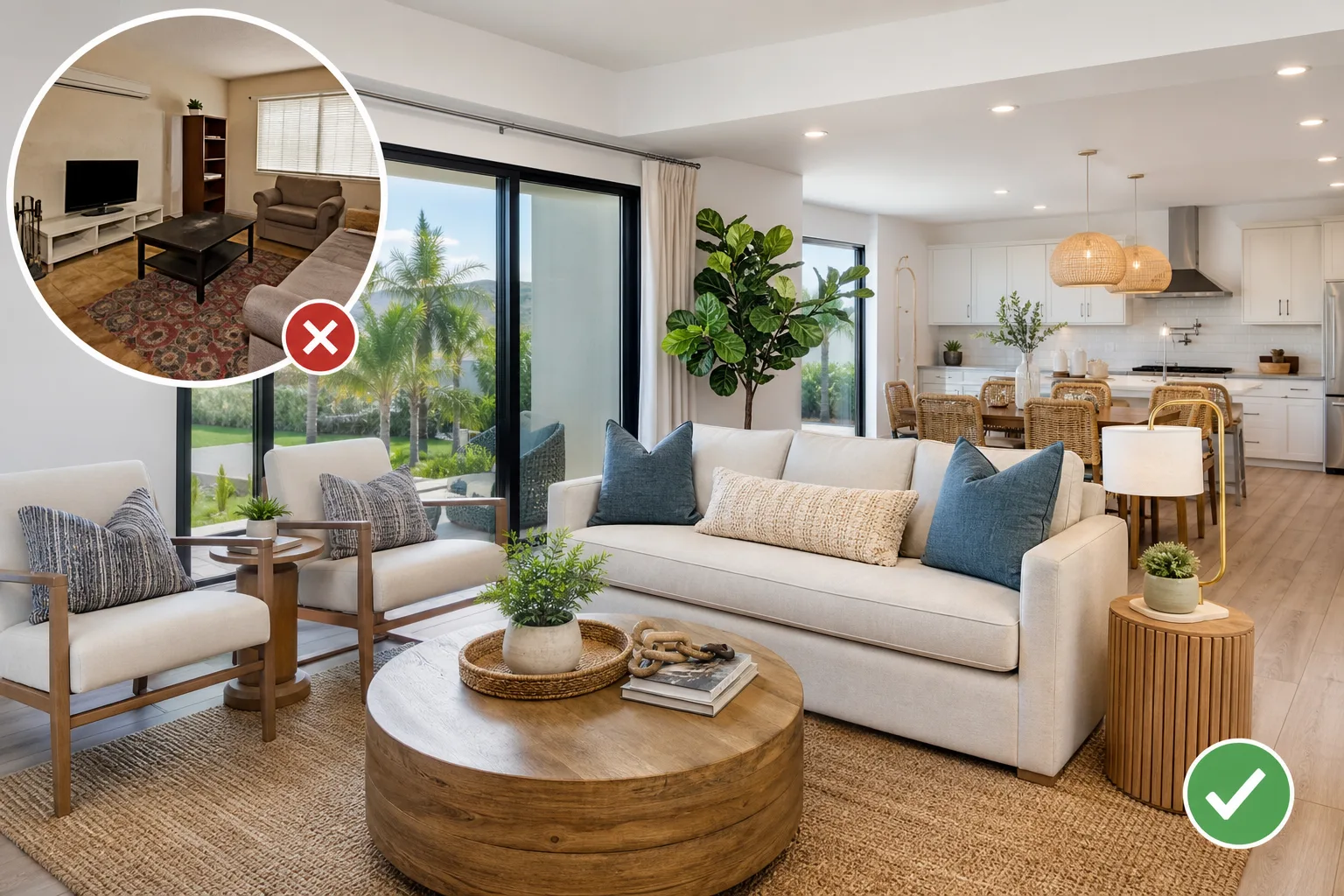
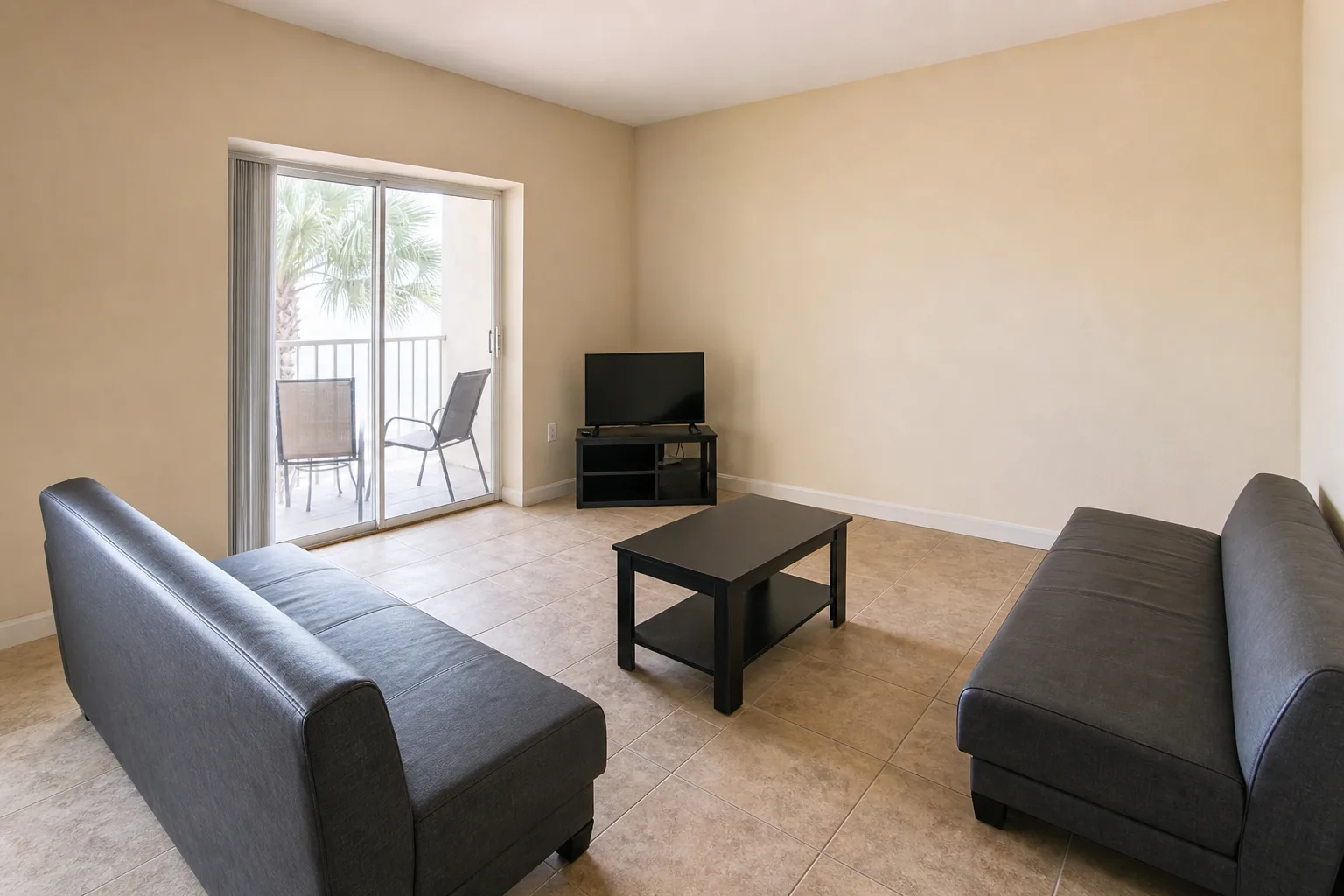
Residential furniture photographs fine on day one and fails predictably under STR usage cycles — typically inside 12 months on high-turnover properties. The replacement spend in months 6–24 is a real cost that residential-spec budgets do not capture up front. STR-grade upholstery, performance fabrics, replaceable hardware, and commercial-weight dining chairs cost more at purchase and cost less over a 24-month horizon. This mistake is most expensive at the living room sectional and dining set, where usage intensity is highest.
Mistake 3 — Under-scoping the houseware kit
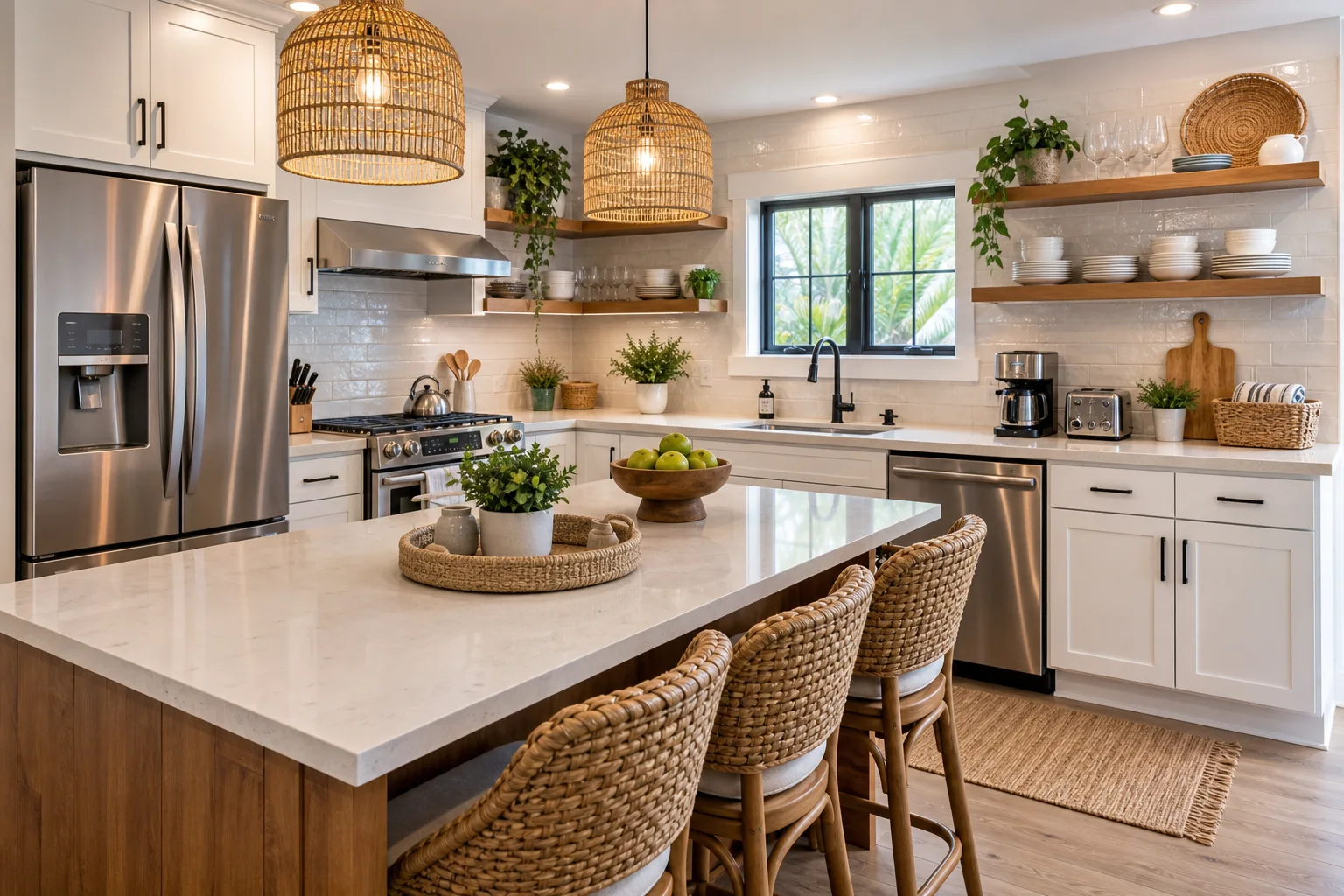
The single most common source of three-star reviews in resort-corridor STRs. A houseware kit sized to bedroom count instead of actual guest capacity produces missing-item complaints every weekend — insufficient place settings, too few towels, kitchen equipment that cannot handle group cooking. Missing-item complaints are sensitive in Airbnb’s review-weighting behavior and compound over the first booking season. Houseware completeness is not a nice-to-have; it is a launch-ready package baseline.
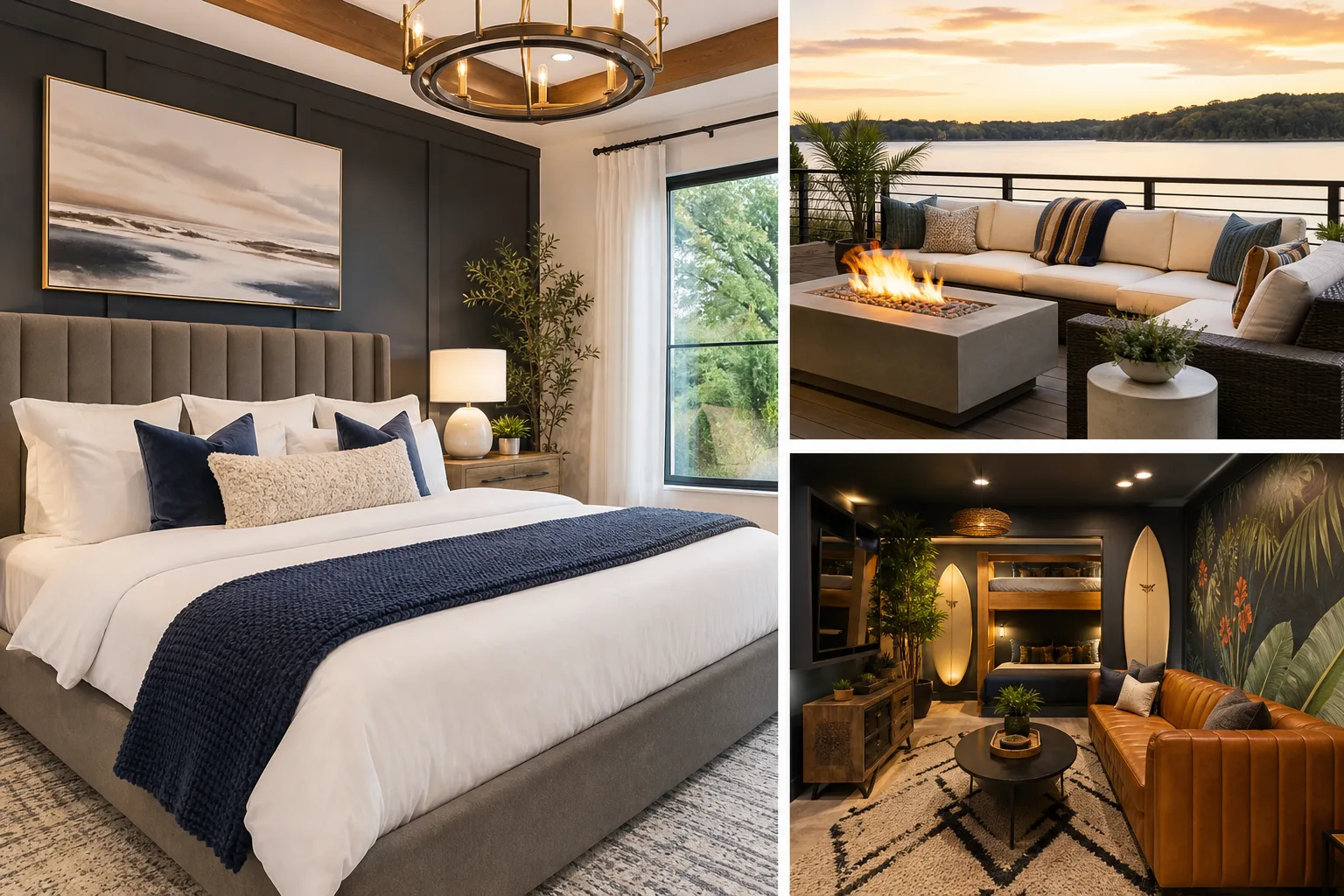
Mistake 4 — Skipping the themed bunk room in a Disney-corridor 5BR
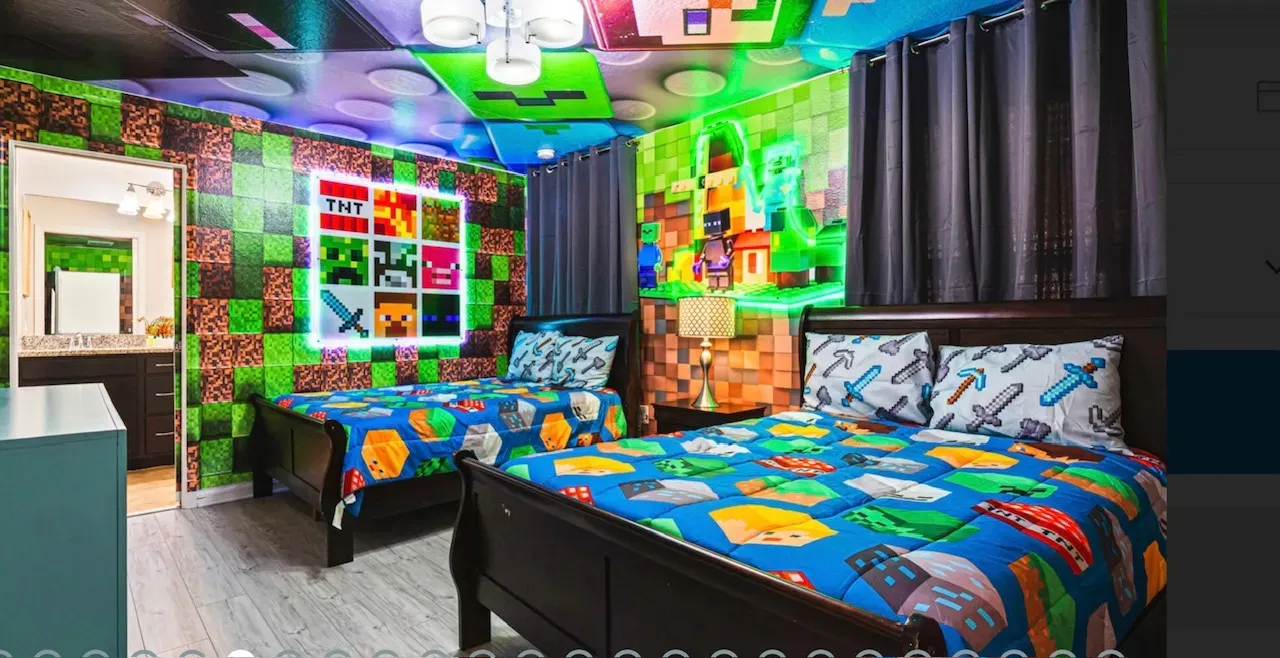
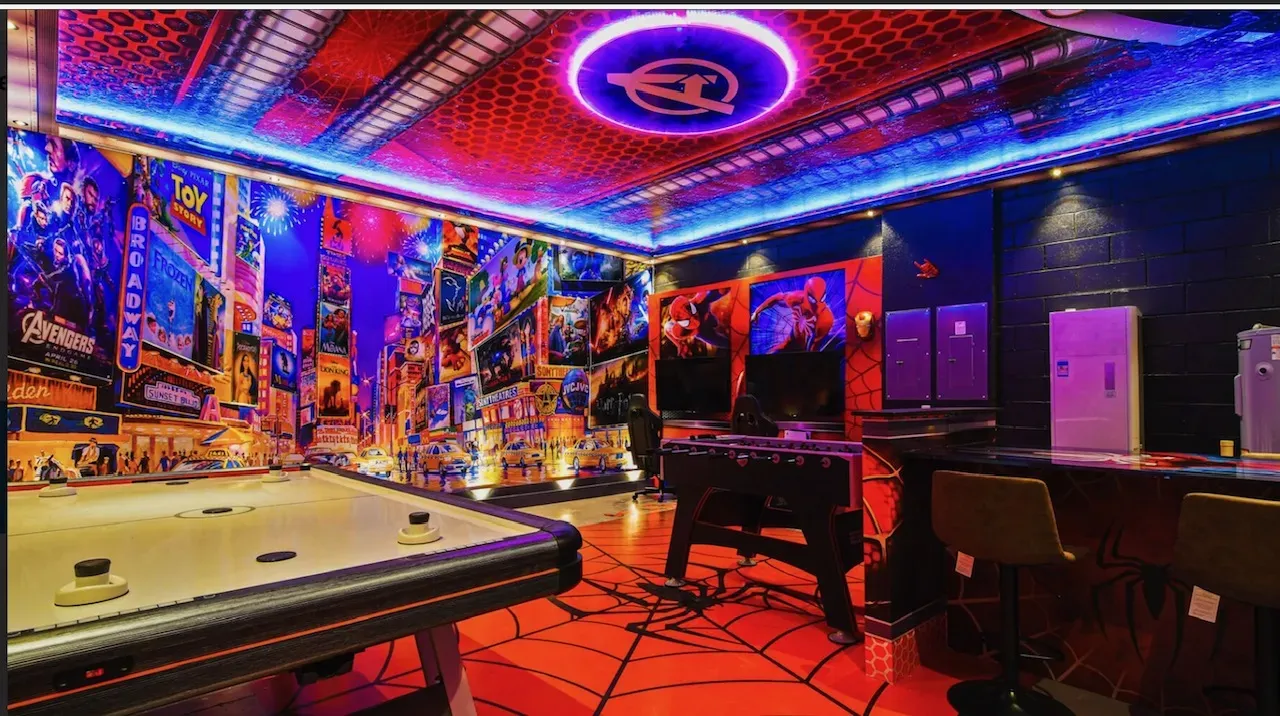
At the 5BR tier in the Disney corridor, themed bunk rooms have shifted from differentiator to expected. Listings without one get filtered out of family-search results before the booker sees the gallery. Investors who skip themed scope to save budget launch into a neighborhood comps where every same-floor-plan neighbor already has one — and compete on price instead of amenity. The themed-rooms service page walks through package levels and where themed scope produces the strongest listing signal.
Mistake 5 — Running five vendors in parallel to save money
Multi-vendor DIY launches slip predictably — the launch date becomes whichever vendor is slowest. Every week the listing is not live during a peak booking window is opportunity cost that does not appear on any invoice. Investors who coordinate furniture, mattresses, housewares, bedding, art, outdoor, and install labor separately usually spend more total time and more total money than a single-scope turnkey engagement — and miss launch windows that a coordinated timeline would have hit. The turnkey package vs DIY decision framework walks through the total-cost-of-ownership math.
Mistake 6 — Theming the primary suite or dining room
Themed scope belongs in bunk rooms and kid suites — spaces that family searchers filter for and photograph as amenity features. Theming the primary suite or dining room depresses perceived listing quality for the adult decision-maker who books the property. It also photographs worse at full-screen in the listing detail page. This mistake is common among investors who conflate “Disney market” with “theme everything” — the market rewards themed kid spaces, not themed adult spaces.
Mistake 7 — Launching without professional photography prep
A furnished but unstaged property under-performs its own scope in the gallery. Photography prep — accessory layering, lighting adjustment, prop staging, room-by-room photo-readiness — is a distinct phase that runs after install and before the photographer arrives. Investors who compress this phase (or skip it entirely) often need a second photo shoot inside the first year once the property is properly dialed in. The cost of the redo exceeds the cost of doing it right at launch.
Mistake 8 — Buying a 5BR and under-scoping to launch-ready when the market expects full amenity package
A 5BR competing in the Disney-corridor resort cluster at launch-ready scope — no themed bunk, basic outdoor, residential-grade spec — competes in the same guest filters as full-amenity neighbors but at a higher cost basis (larger property, higher mortgage, higher operating costs). The listing gets filtered out of family searches, competes on price, and produces review-cycle problems from under-spec bedding and housewares. A well-scoped 4BR almost always outperforms a poorly-scoped 5BR.
Mistake 9 — Ignoring the outdoor scope in Florida STR markets
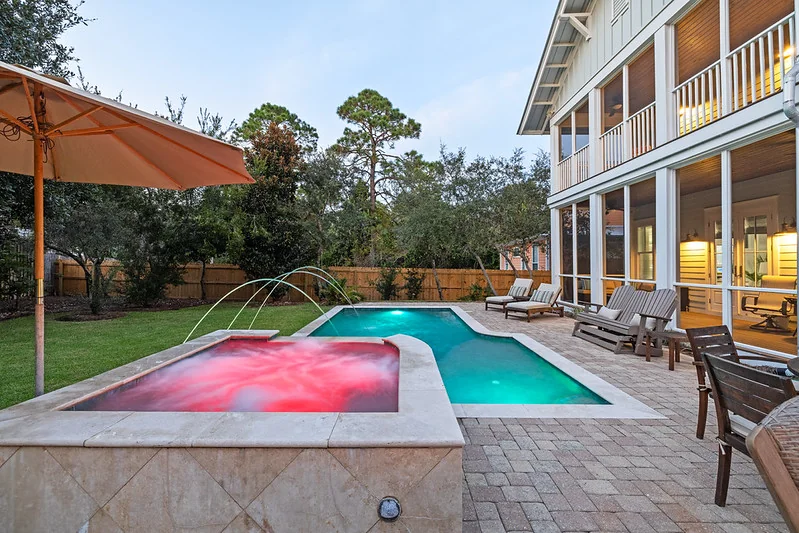
Florida STR guests book for outdoor living — pool, lanai, outdoor dining, lounge clusters. A property with a pool and two plastic chairs reads as residential in the gallery; a property with UV-rated outdoor entertaining scope reads as resort-styled. Outdoor scope is often the second-most-clicked photo after the living room in Central Florida listings. Under-scoping outdoor is one of the cheapest mistakes to fix at launch and one of the most expensive to fix after the first photo shoot.
Mistake 10 — Delaying furnishing until you can visit the property in person
Out-of-state investors who delay furnishing until they can travel to be present lose weeks of launch window — often slipping past peak booking periods. Remote furnishing from consultation to photography-ready install can be completed in 4–9 weeks with no owner travel required. The delay cost exceeds the travel cost in almost every case where the target launch date falls inside a peak season. The out-of-state buyer furniture package guide walks through how to evaluate and select a package provider remotely.
Mistake 11 — Treating the game room as optional at 6BR+
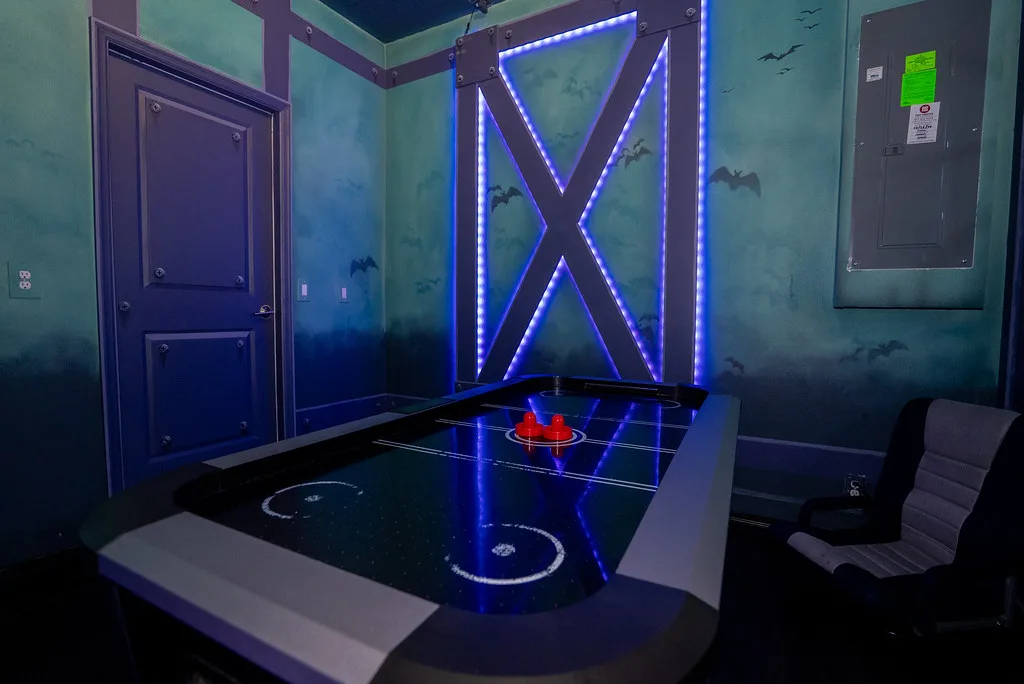
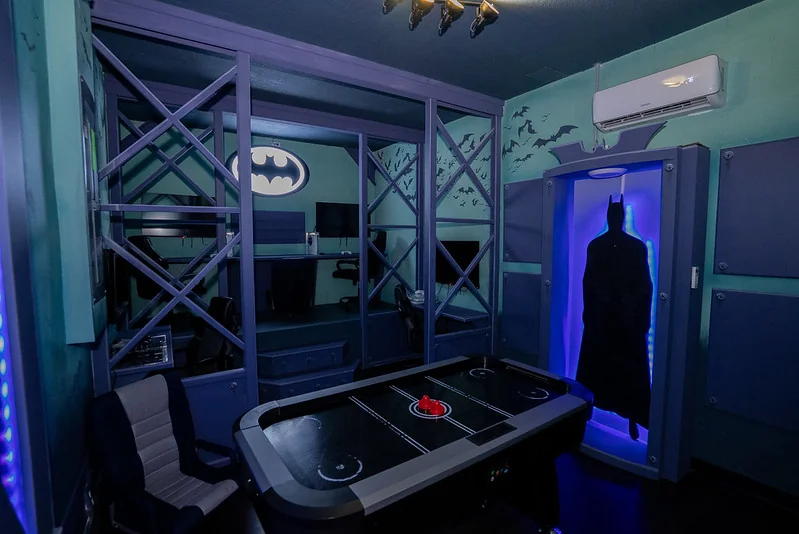
At 6BR and above in the Central Florida group-travel market, a game room is closer to baseline expectation than differentiator. Listings without a game-room amenity check get filtered out of group-travel searches before the booker sees the photos. Investors who skip game-room scope at 8BR to save budget launch into a competitive tier they cannot compete in without it. The game-room conversion cost planning guide walks through package levels and where game-room scope belongs in the amenity setup.
Mistake 12 — Not reading the scoped proposal line by line
The most avoidable mistake on this list. A scoped proposal with line items is the only honest way to compare vendors, package levels, and engagement models. Investors who compare single-line totals without reading what is included (housewares? install? photography prep? themed scope? outdoor?) consistently choose the quote that looks cheaper and produces the project that costs more. Final pricing always requires a scoped proposal — and the proposal is only useful if you read it.
What we see go wrong
- Assuming the cheapest quote is the cheapest project — single-line totals hide houseware, install, photography prep, and themed scope that get added separately in DIY and designer-led projects.
- Copying a neighbor’s furnishing spec without understanding their package level — what works at full amenity package fails at launch-ready scope and vice versa.
- Optimizing for the owner’s taste instead of the listing’s search-and-photo performance — STR furnishing is a marketing decision.
- Assuming you can upgrade from launch-ready to full amenity package after launch without a second furnishing phase — most upgrades require install, not just purchase.
- Choosing a vendor based on retail furniture price rather than STR-spec durability — replacement cost inside 12 months reverses the savings.
Related Community Guides
Eight Core Services
Turnkey to Themed Rooms — All Under One Roof
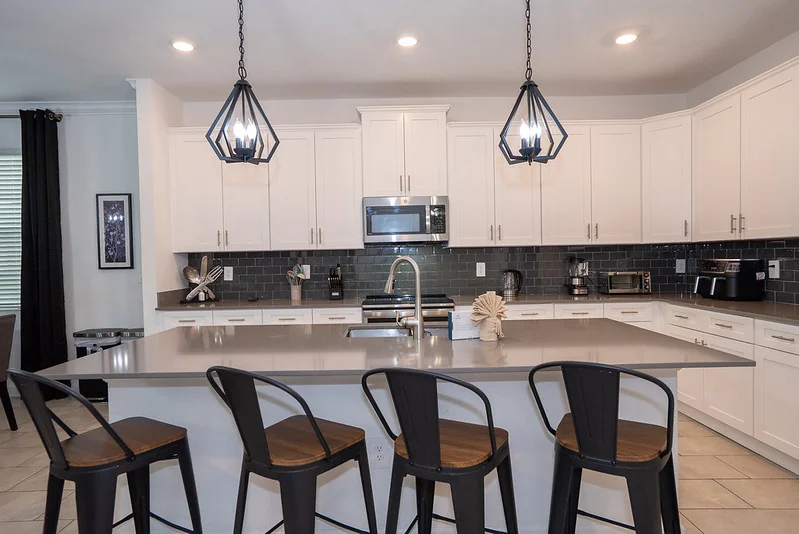
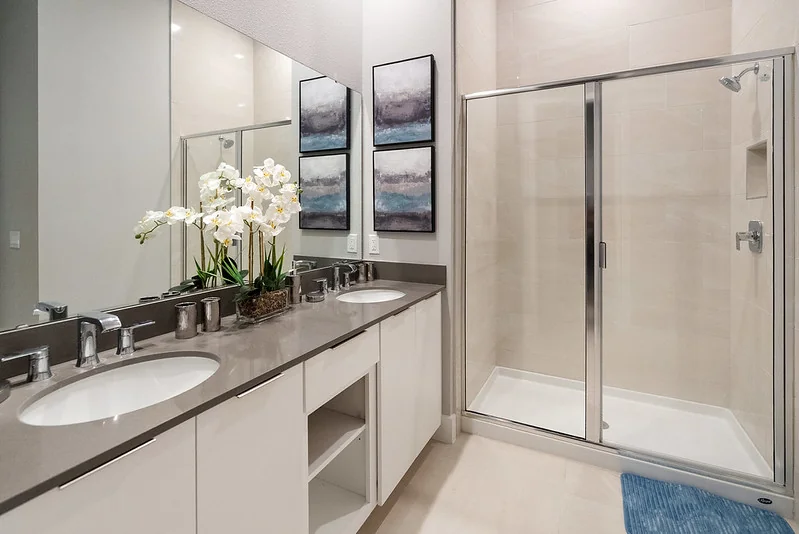
Full furniture packages, STR interior design, themed kids suites, game room conversions, property prep, custom bunks, white-glove install, and listing-ready staging — for vacation rentals and second homes across Orlando, Kissimmee, Davenport, and the full Florida STR market.
Frequently Asked Questions
Which furnishing mistake costs STR investors the most?
Usually Mistake 1 (budgeting by bedroom count instead of package level) because it cascades into Mistakes 3, 4, 8, and 11 — under-scoped housewares, skipped themed bunk, launch-ready spec in a full amenity package market, and missing game room at 6BR+. The root cause is almost always scoping the project against bedroom count rather than against the listing goal and the neighborhood comps.
Are these mistakes different for first-time vs experienced STR investors?
First-time investors most often hit Mistakes 1, 2, 3, 5, and 10 — budget framing, residential-grade furniture, houseware under-scope, multi-vendor coordination, and launch delay. Experienced investors most often hit Mistakes 4, 8, and 11 — skipping amenity scope on a new property tier, under-scoping a larger bedroom count, or treating game room as optional when scaling up.
How do I recover from a furnishing mistake after launch?
Review-cycle mistakes (bedding, housewares) can be fixed in a single phase and show results inside the next booking cycle. Search-filter mistakes (missing themed bunk, missing game room) require an amenity-scope add with install — longer timeline, but still recoverable. Hero-photo mistakes (residential-grade living room, weak outdoor) require a re-furnish or re-stage and usually a second photo shoot. The cost of recovery always exceeds the cost of doing it right at launch.
Should I use a turnkey package to avoid these mistakes?
A turnkey package eliminates Mistakes 2, 3, 5, 7, and 10 by default — STR-grade spec, complete housewares, single-vendor coordination, photography prep, and remote workflow. It does not eliminate Mistake 1 (package level selection) or Mistake 8 (buying the wrong bedroom count for the budget) — those are property-purchase and positioning decisions the owner still makes. The turnkey package vs DIY framework explains where turnkey closes the gap and where the owner still decides.
Where should I start if I have already made several of these mistakes?
Fix the review-cycle mistakes first — bedding and housewares — because they damage listing ranking immediately. Then address the search-filter gap (themed bunk or game room, depending on bedroom count and market). Then re-shoot photos once the scope is corrected. Trying to fix hero-photo problems before fixing review-cycle problems produces better photos of a property that still gets three-star reviews.