Turnkey Furniture Packages vs DIY: What's Actually Right for Your...
DIY furnishing seems cheaper until you account for your time, freight costs, coordination, and the opportunity cost of every delayed launch day. Here's an honest comparison.
Sound familiar?
First-time vacation rental investors frequently attempt to furnish their property independently to save money, underestimating the total time investment, logistical complexity, and quality gaps that result — and then spending 12+ months retrofitting decisions that could have been made correctly at launch.
In short
- DIY appears 20–40% cheaper until you factor freight, assembly, returns, design mistakes, and 80–120 hours of personal time
- Turnkey is clearly right when you're out-of-state, have a launch date, or lack STR-specific design experience
- A hybrid approach (professional for hero rooms, DIY for secondary spaces) captures most of the benefit at 75–85% of full package cost
- The most common and expensive mistake is starting DIY and switching mid-project when overwhelmed
- For properties under 3BR, DIY with design guidance is viable; above 5BR, turnkey efficiency gains are decisive
The DIY vs turnkey question is legitimate and depends entirely on your specific situation. There are cases where DIY makes sense, and cases where turnkey is clearly the right call. This guide gives you an honest framework for deciding — not a sales pitch for either approach.
What to know
The real cost of DIY (what most estimates miss)
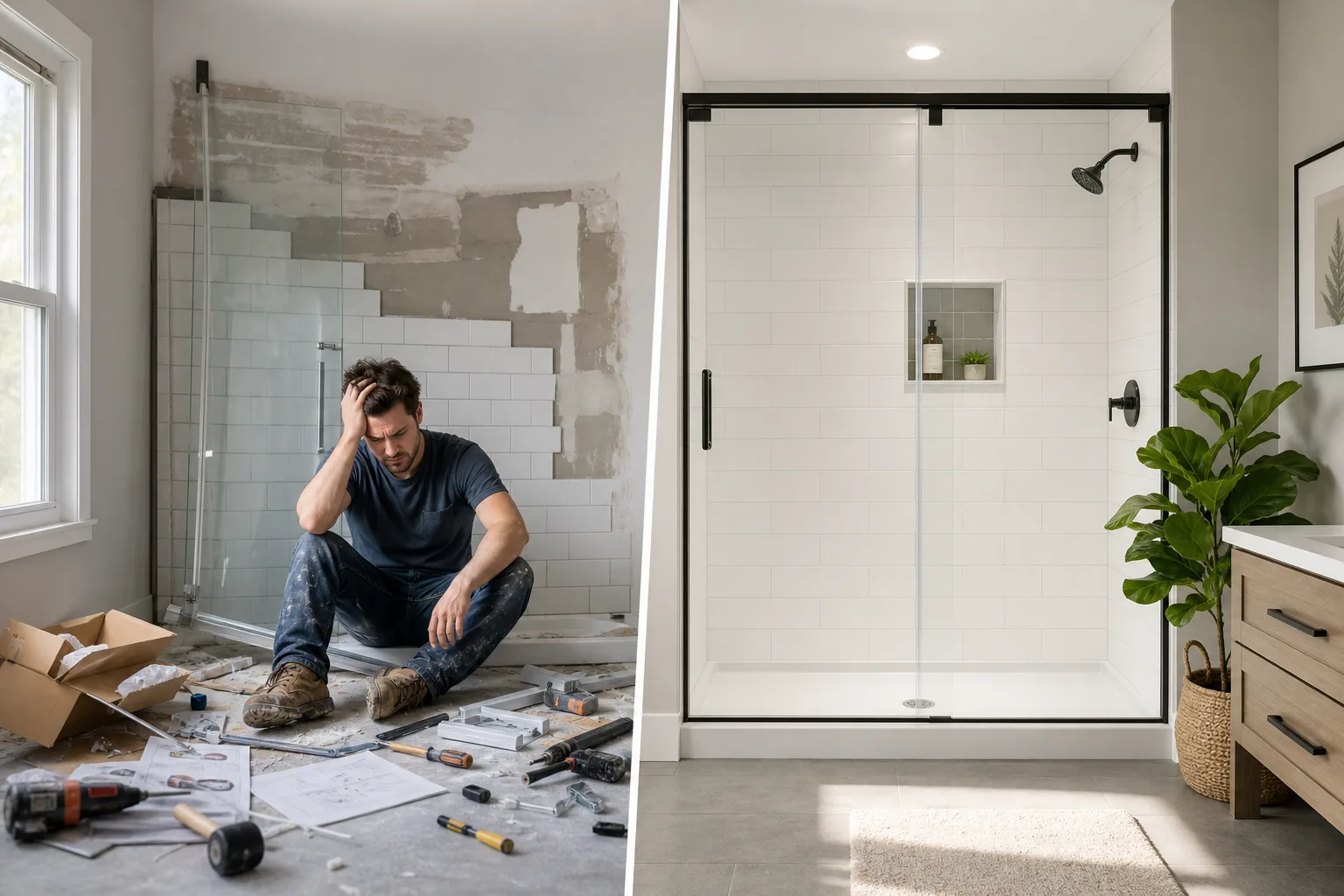
Sticker price comparison shows DIY looks 20–40% cheaper. But DIY sticker price typically excludes: freight costs (large furniture ships LTL freight, which adds $300–$1,500 per large item), assembly labor ($50–$150/hour for large furniture), return shipping for damaged/wrong items (20–30% of shipped items have issues), design mistakes that require repurchase, and the opportunity cost of your personal time. A 5-bedroom home DIY project requires 80–120 hours of personal time for sourcing, ordering, coordinating delivery, assembling, and staging. At any reasonable professional hourly rate, this time cost eliminates the price difference.
The real cost of turnkey (what skeptics undercount)
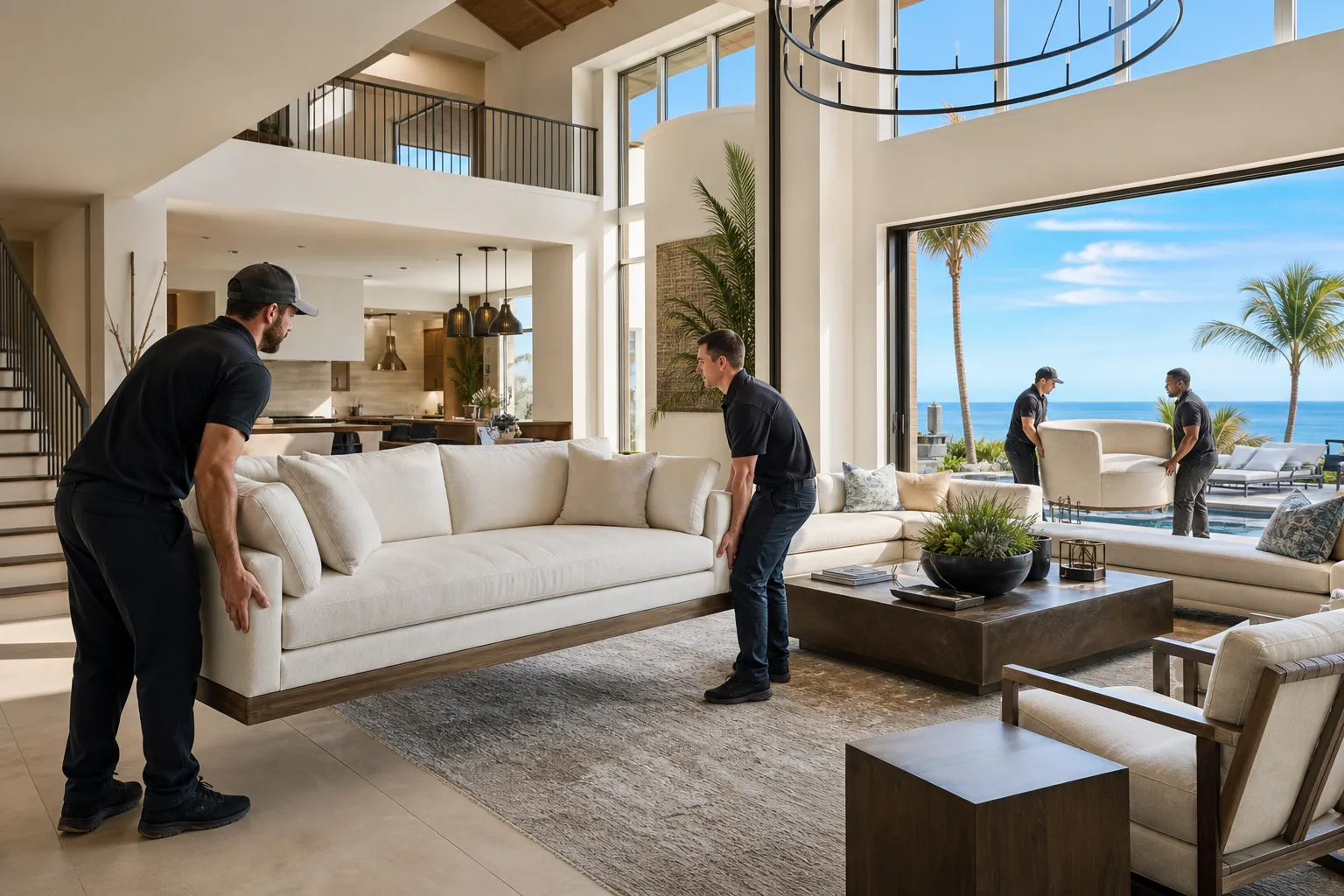
The genuine downsides of a turnkey package are: higher sticker price on furniture items (volume efficiency helps but doesn't fully close the retail gap), less granular control over specific product selection, dependency on vendor timeline, and potential for design choices you wouldn't have made. These are real trade-offs. The question is whether the sticker premium is offset by the time savings, launch speed, and quality consistency — which for most first-time investors with full-time careers, it clearly is. In practice, that premium usually runs 10–20% over what the identical items would cost at retail, once you account for sourcing, delivery coordination, and installation labor built into the price. Ask any turnkey provider to itemize furniture cost separately from labor and coordination — a provider unwilling to break that out is harder to compare against a DIY budget.
Decision framework: when DIY makes sense
DIY is genuinely viable if: (1) You or a trusted collaborator has interior design experience with STR-specific knowledge. (2) You have a minimum of 120 hours of personal time available over 6–8 weeks. (3) You are local and can coordinate deliveries, returns, and assembly in person. (4) You have experience managing LTL freight and large furniture logistics. (5) You have an established wholesale or trade account with furniture vendors, reducing individual retail prices. If all five apply, DIY can achieve good results. If fewer than three apply, turnkey will almost certainly produce better outcomes at a lower true cost.
Decision framework: when turnkey is clearly right
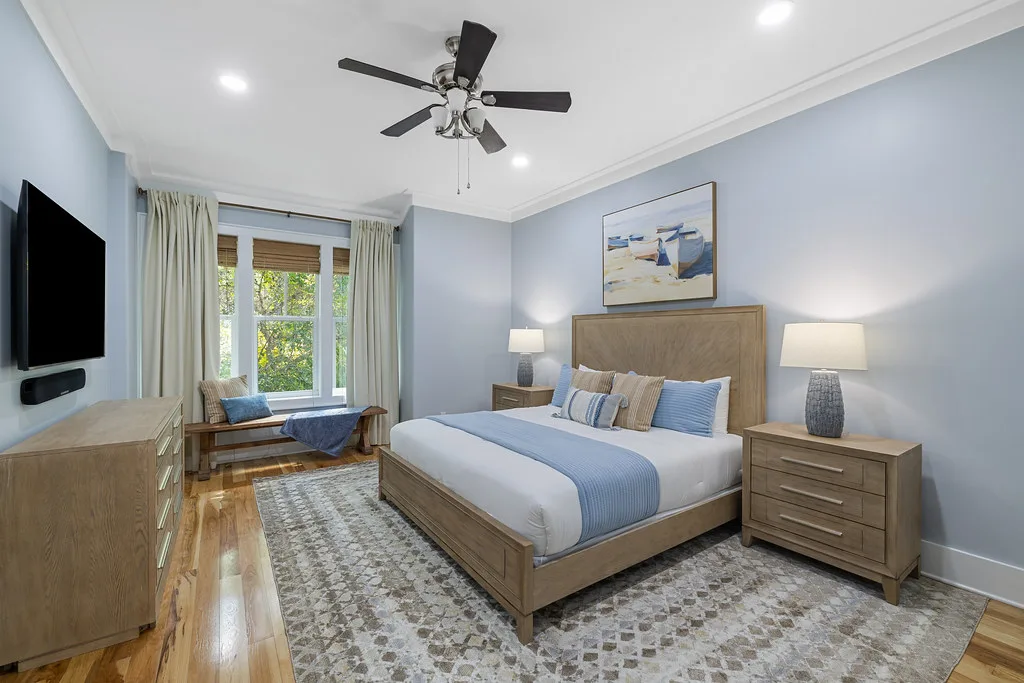
Turnkey is clearly the right choice if: (1) You are out-of-state or cannot be physically present for the installation. (2) You have a specific launch date you cannot miss. (3) This is your first STR property and you lack STR-specific design experience. (4) You manage other business or professional obligations. (5) You want photography-ready results that drive bookings immediately. Most vacation rental investors in the Orlando market meet all five of these criteria — which is why professional furnishing partnerships dominate the top-performing segment of the market.
Hybrid approach: the best of both
The most practical approach for many investors is a hybrid: use a professional package for the high-impact, high-complexity rooms (living room, primary suite, themed rooms) and self-source secondary bedrooms and minor accessories. This captures 80–90% of the visual and booking impact of a full professional package while reducing total spend by 15–25%. It also allows personal touches in secondary spaces without compromising the hero spaces that drive bookings. A split that works well in practice: professional package for the living room, primary suite, and any themed bunk rooms — the rooms guests see first in your hero photos — while you source bedding, art, and accessories for two or three secondary bedrooms directly. Keep beds and mattresses professional-grade everywhere, even in the DIY rooms; a soft mattress in bedroom four still shows up in reviews even when nobody sees it in a photo.
How to evaluate a turnkey quote before you sign
Not all turnkey quotes are the same, even at a similar bottom-line number. Ask for four things before comparing prices: an itemized breakdown separating furniture, housewares, and labor/installation; the vendor's typical timeline from signed proposal to install day for a property your size; references or a portfolio specific to vacation rentals, not general residential design; and what happens if an item arrives damaged or on backorder. A quote that's meaningfully lower than others is usually missing one of these four — most often housewares or a realistic installation timeline — and that gap becomes your problem after you've already signed.
What to do first this week
Open three same-bedroom-count comps on Airbnb or VRBO and screenshot bunk photos, outdoor dining seats, and primary suite finish. List where your home falls short — that gap list becomes your furnish scope. Not sure if DIY or turnkey fits? Book a free 30-minute call — we'll tell you straight, even if DIY wins.
What we see go wrong
- Comparing only sticker prices without factoring freight, assembly, return/replace logistics, and your personal time
- Choosing DIY because you enjoy shopping, not because you have STR-specific design knowledge
- Under-estimating how long furniture takes to arrive — consumer retail sites routinely show 4-8 week lead times
- Starting DIY and switching to professional mid-project when overwhelmed — this is the worst outcome (delays + cost inefficiency)
- Assuming your personal aesthetic tastes align with what STR guests are booking for
Eight Core Services
Turnkey to Themed Rooms — All Under One Roof
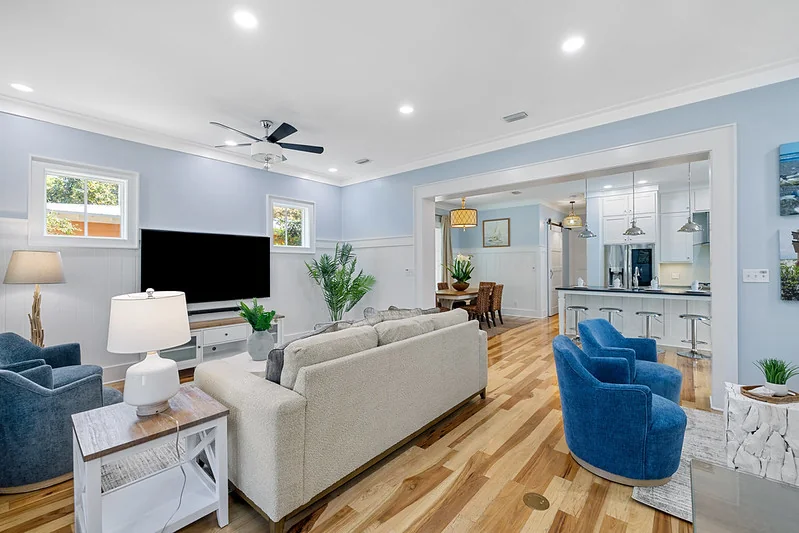
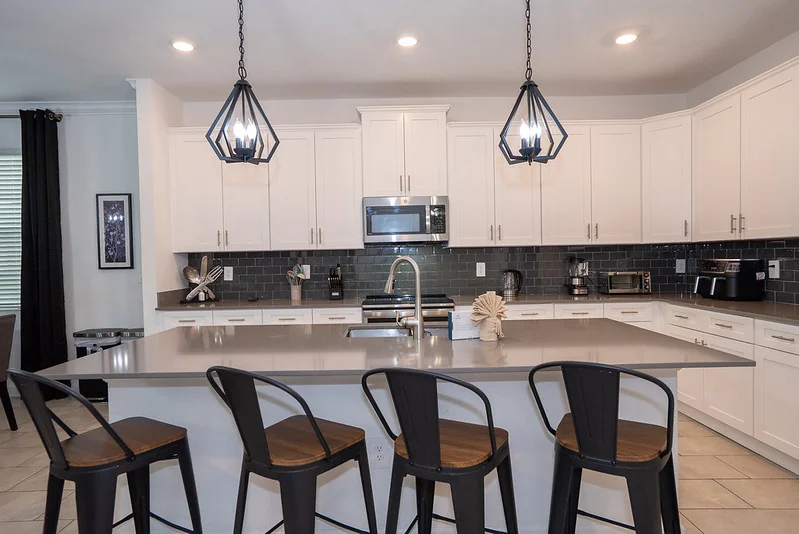
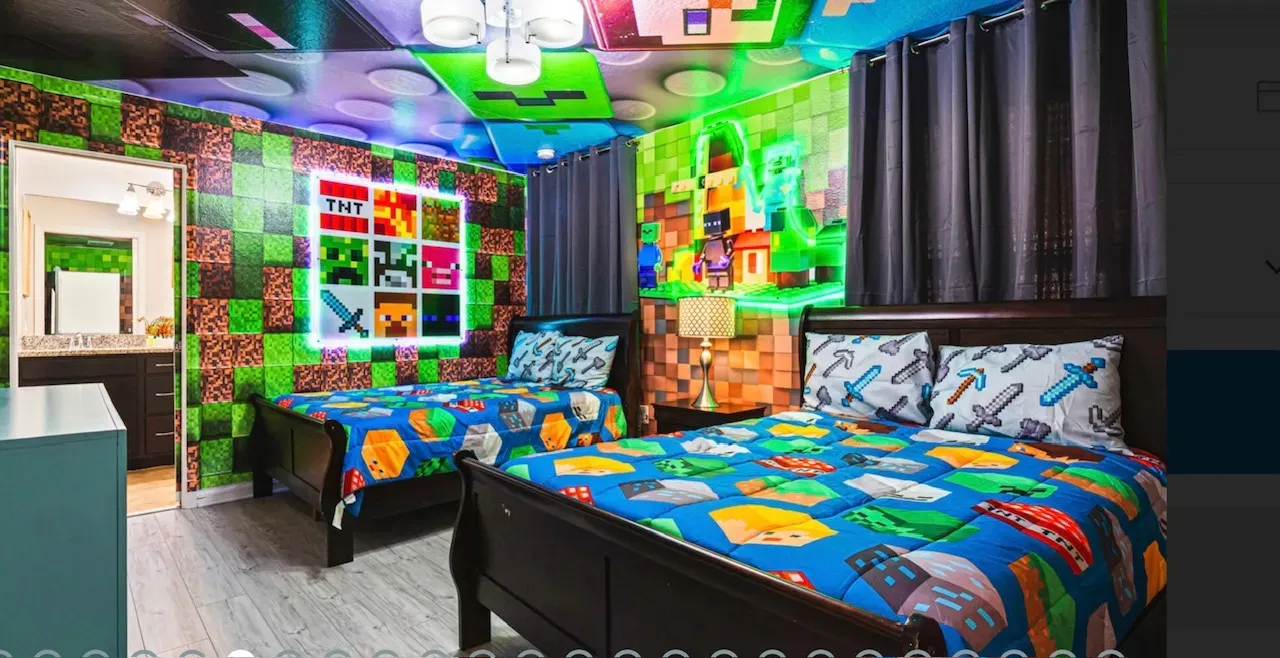
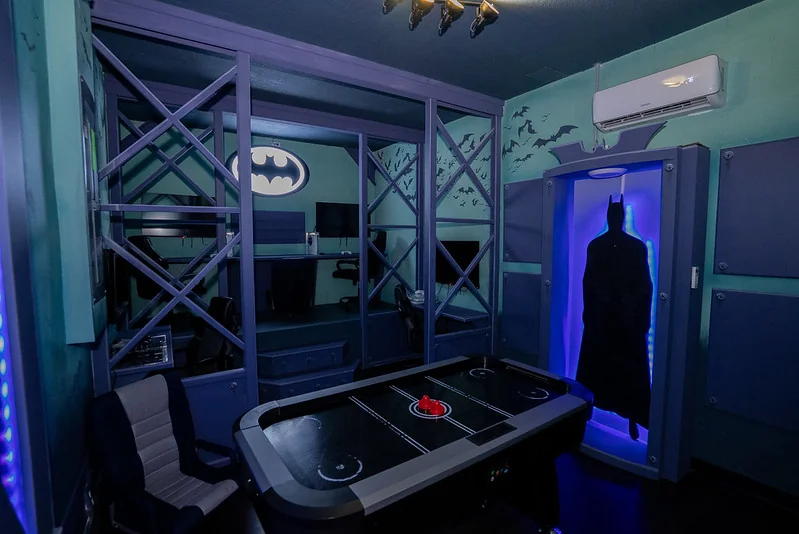
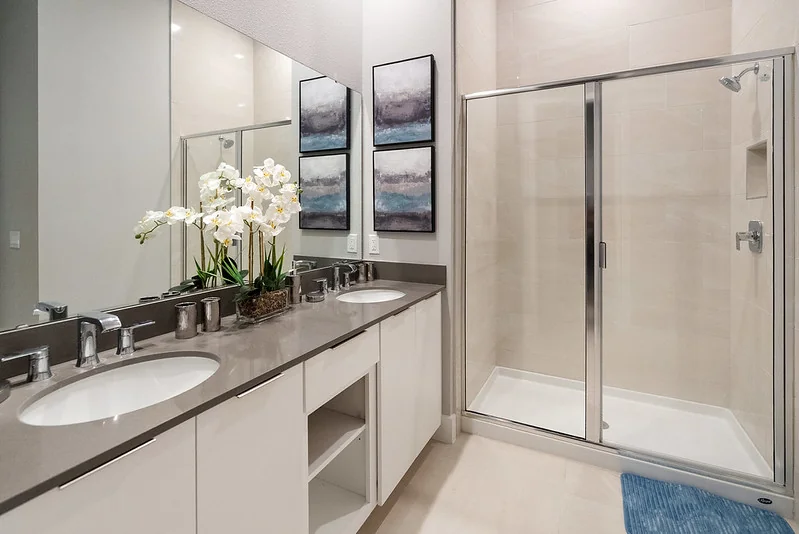
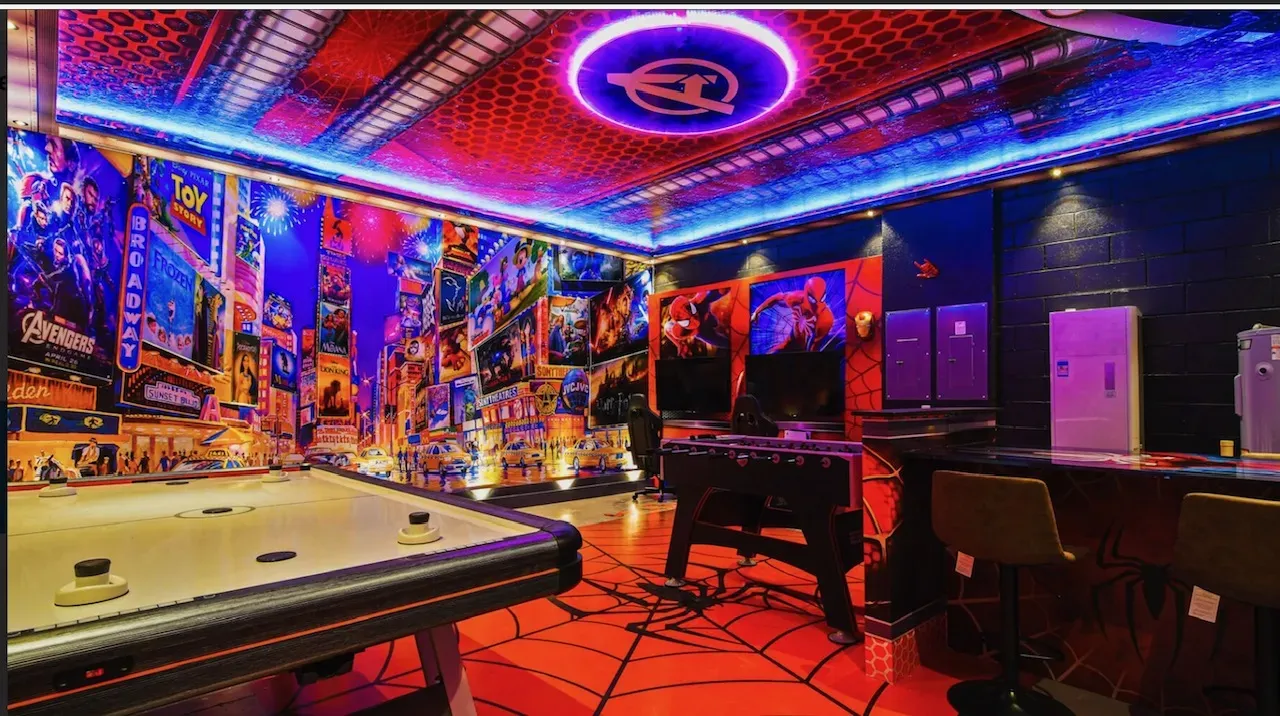
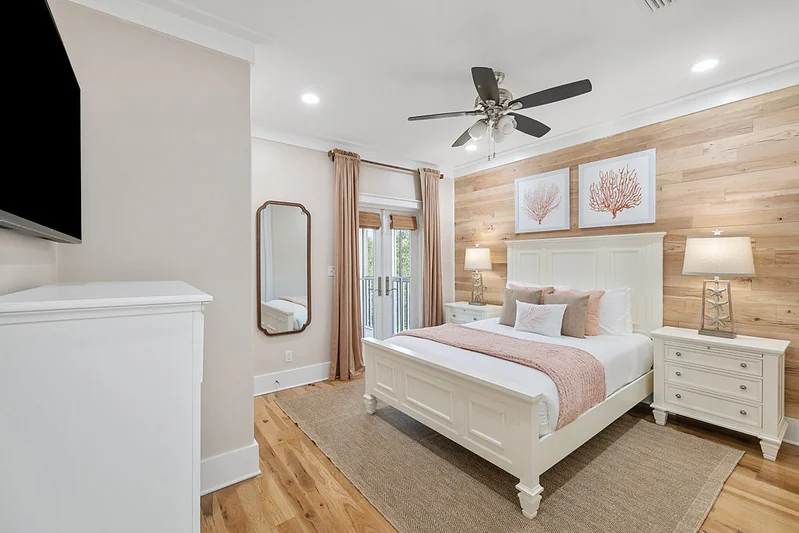
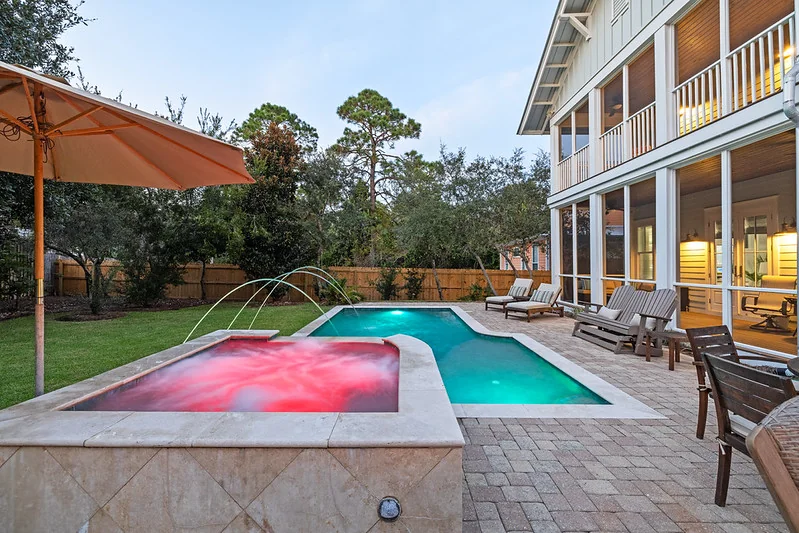
Full furniture packages, STR interior design, themed kids suites, game room conversions, property prep, custom bunks, white-glove install, and listing-ready staging — for vacation rentals and second homes across Orlando, Kissimmee, Davenport, and the full Florida STR market.
Frequently Asked Questions
Can I get a professional package and still add my own personal touches?
Absolutely. The best outcomes often come from professional packages that leave intentional space for personal touches — a curated book collection, family-friendly board games, local art, or a custom welcome setup. A good furnishing partner will design with personalization in mind, not present you with a sealed, unchangeable package.
What if I already bought some furniture and want to complete the project professionally?
We can work with existing pieces when they meet STR quality standards. Bring what you have to the consultation review; a professional designer can identify what stays, what replaces, and what the package should complete. This hybrid approach is common, especially for investors who moved quickly on some items but ran into the complexity of completing the full project.
Is there a size threshold where turnkey makes more sense?
Yes. For properties under 3 bedrooms, DIY with some design guidance is very viable. Above 5 bedrooms, the coordination complexity of DIY escalates dramatically — more freight, more assembly, more simultaneous deliveries to coordinate — and the professional efficiency gains become decisive. 4-5 bedroom properties are the most balanced range where both approaches can work.
What should I do first?
Pull three in-community comps with your bedroom count, note bunk, outdoor, and primary suite in the hero photos, then send your floor plan. We match package tier to that comp set before you order furniture.
I already started furnishing myself and I'm overwhelmed — can I switch to a turnkey package partway through?
Yes, and it's common enough that most furnishing partners have a process for it. Bring an inventory of what's ordered, delivered, and still pending; a designer can fold in usable pieces, cancel or return what's salvageable, and scope the remaining rooms as a standard project. The switch costs more than starting turnkey from day one, since some items won't be returnable — but it's almost always cheaper than pushing through a DIY project that has already stalled your launch date.