Housewares Package Planning
A cost-driver framework for vacation rental housewares packages — guest-capacity sizing, kit-tier decomposition, package level expectations, and the line items most proposals under-scope across every property size.
Sound familiar?
Housewares are the most under-scoped category in vacation rental furnishing proposals across every property size — not just large properties. Owners scoping a 3BR condo, a 5BR resort home, or an 8BR mega-rental routinely accept houseware kits sized to bedroom count rather than to guest capacity, with no visibility into kit-tier decomposition or replacement-cadence cost. The result is a low headline number that converts into operational pain inside the first two booking cycles.
In short
- Houseware kits should size to guest capacity, not bedroom count — the single biggest cost-driver decision in any houseware-package conversation.
- Houseware kits decompose into seven categories: kitchen, tableware, bath, bedroom, laundry, cleaning, outdoor. Single-line-item proposals usually under-scope at least one.
- Kit-tier (Launch-Ready, launch-ready package, full amenity package, Luxury Estate, Mega-Rental) moves the houseware planning range 2–3x within the same guest-capacity sizing.
- Kitchen tooling depth is the most-reviewed category and the most consistently under-scoped in proposals.
- Replacement cadence is an operational budget, not part of the initial furnishing package. 10–20% of initial kit value is a realistic first-year replacement budget under regular booking.
This is a cost-driver framework for houseware packages across property sizes — not a kit specification for a single property type. The large vacation rental housewares guide covers 5BR+ depth specifications; this post covers what drives the budget conversation at every scale. Final pricing requires a scoped proposal. The goal is to make houseware-package scope visible enough that owners stop accepting it as a single bundled line item.
What to know
Houseware kits should size to guest capacity, not bedroom count
The single biggest cost-driver decision in any houseware-package conversation is whether the kit is sized to guest capacity (actual sleep count) or to bedroom count (number of bedrooms). A 5BR property sleeping 14 needs a 14-guest kit — 14 dinner plates, 14 dining settings, 14 bath towels, 14 sets of bedding, kitchen tools sized for 14-guest cooking. A 5BR property sized as a 5BR (typically a 10-guest kit) under-scopes by 30–40%. The cost differential is real but recoverable in operational quality. Properties with bedroom-count-sized kits run short within the first two booking cycles and absorb the cost as replacement runs over the first six months — plus the review-quality cost of running out of housewares during a booking.
Houseware kits decompose into seven categories
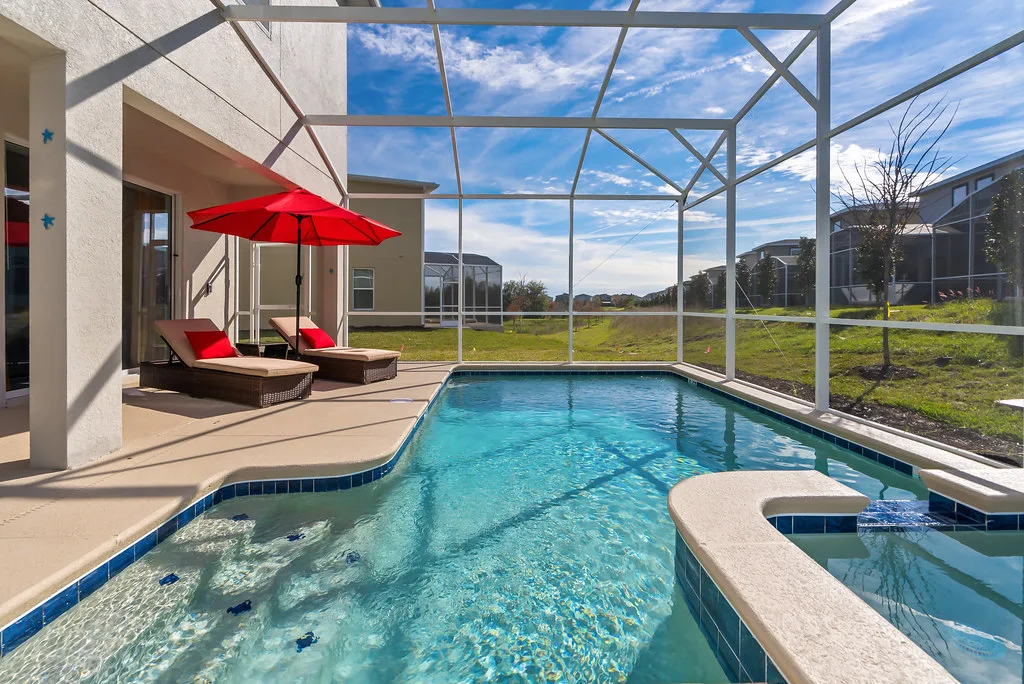
A complete vacation rental houseware kit covers seven categories: (1) kitchen — cookware, bakeware, knives, utensils, prep tools, small appliances; (2) tableware — dinner plates, salad plates, bowls, glassware, mugs, flatware; (3) bath — towels, washcloths, hand towels, bath mats, shower curtains, basic toiletries supply; (4) bedroom — sheets, pillows, mattress protectors, decorative throws, blackout treatments where applicable; (5) laundry — detergent supply, fabric softener, dryer sheets, basic stain treatment, laundry basket; (6) cleaning — basic cleaning supplies, paper goods inventory, trash bag rotation; (7) outdoor housewares — outdoor dining service where outdoor dining exists, pool towels, beach gear at coastal properties. Proposals that bundle housewares into a single line item without category-level breakdown usually under-scope at least one of these seven.
Kit-tier decomposition moves the houseware planning range
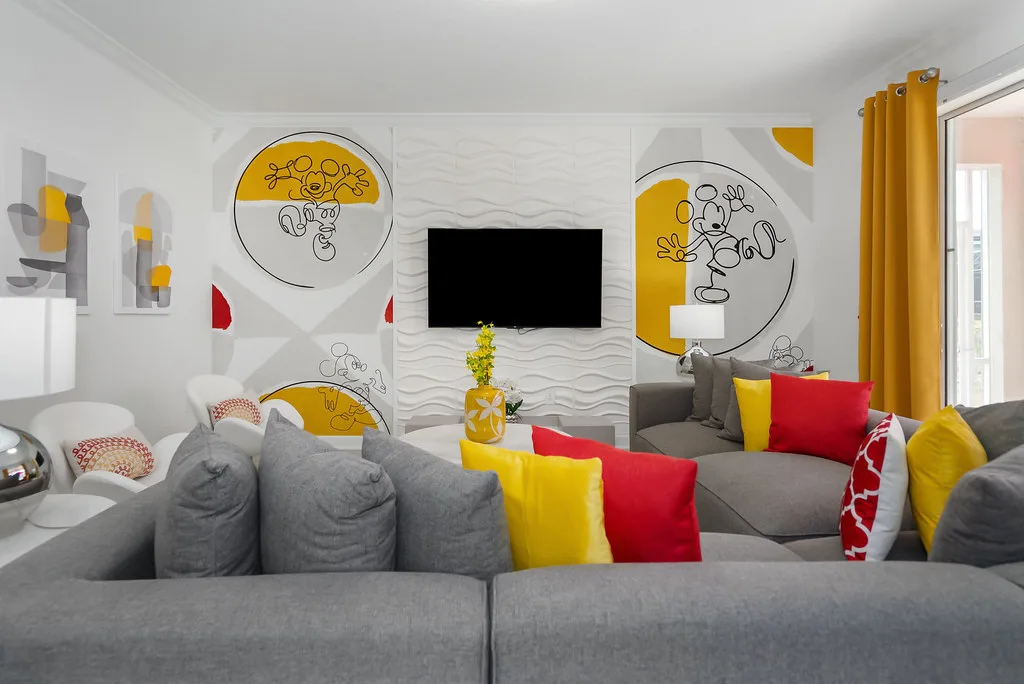
Within any guest-capacity sizing, the kit-tier choice moves the planning range. Launch-Ready kits use commodity-grade product across all seven categories — functional, replaceable, no design coordination. launch-ready package kits move tableware and bedding to mid-tier brands (commercial-grade dinnerware, mid-tier sheet sets, performance towels), keep kitchen and bath at functional tier. full amenity package kits extend mid-tier across all seven categories with design coordination (palette-coordinated towels, design-direction-aligned tableware). Luxury Estate kits use hospitality-grade product across the kit (commercial-grade dinnerware at higher quality, premium linen sheet sets, premium bath linens, premium kitchen tooling). The kit-tier choice usually moves the houseware planning range 2–3x within the same guest-capacity sizing.
Replacement cadence is a budget item, not an afterthought
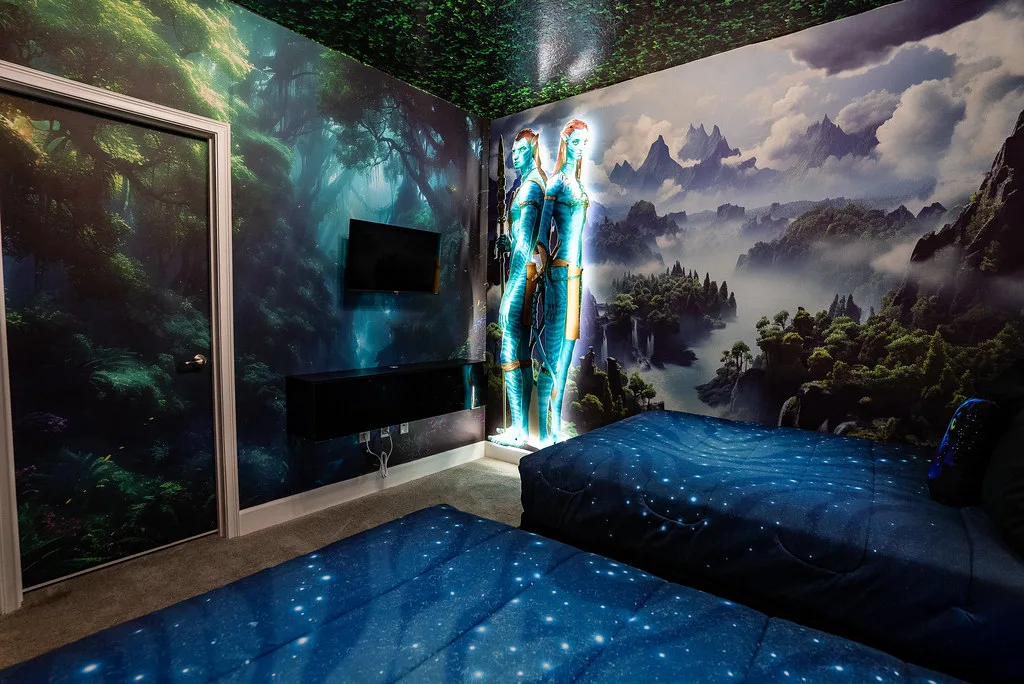
Houseware items have known replacement cadences in STR use: sheets and pillowcases 12–18 months, towels 18–24 months, kitchen knives and basic cookware 24–36 months, glassware and dinnerware on a continuous attrition basis, decorative throws and accent linens 12–18 months. The initial kit is the launch budget; the replacement cadence is an operational budget that owners typically discover after the first 12 months. Properties without a planned replacement-cadence budget end up running short of housewares during booking gaps and absorbing the cost as emergency replacement runs at retail rather than as planned procurement runs at wholesale.
Kitchen tooling depth is the most under-budgeted category
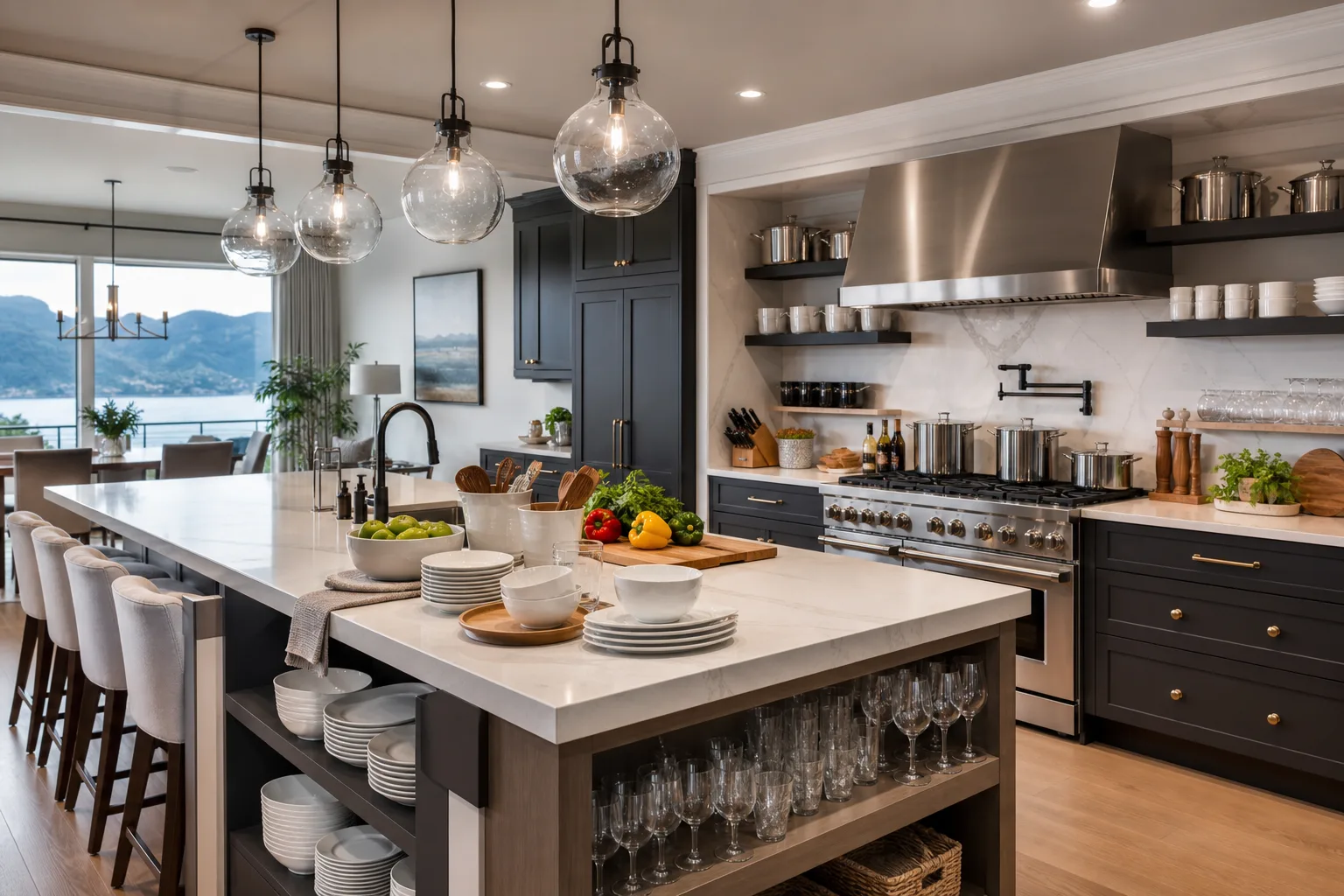
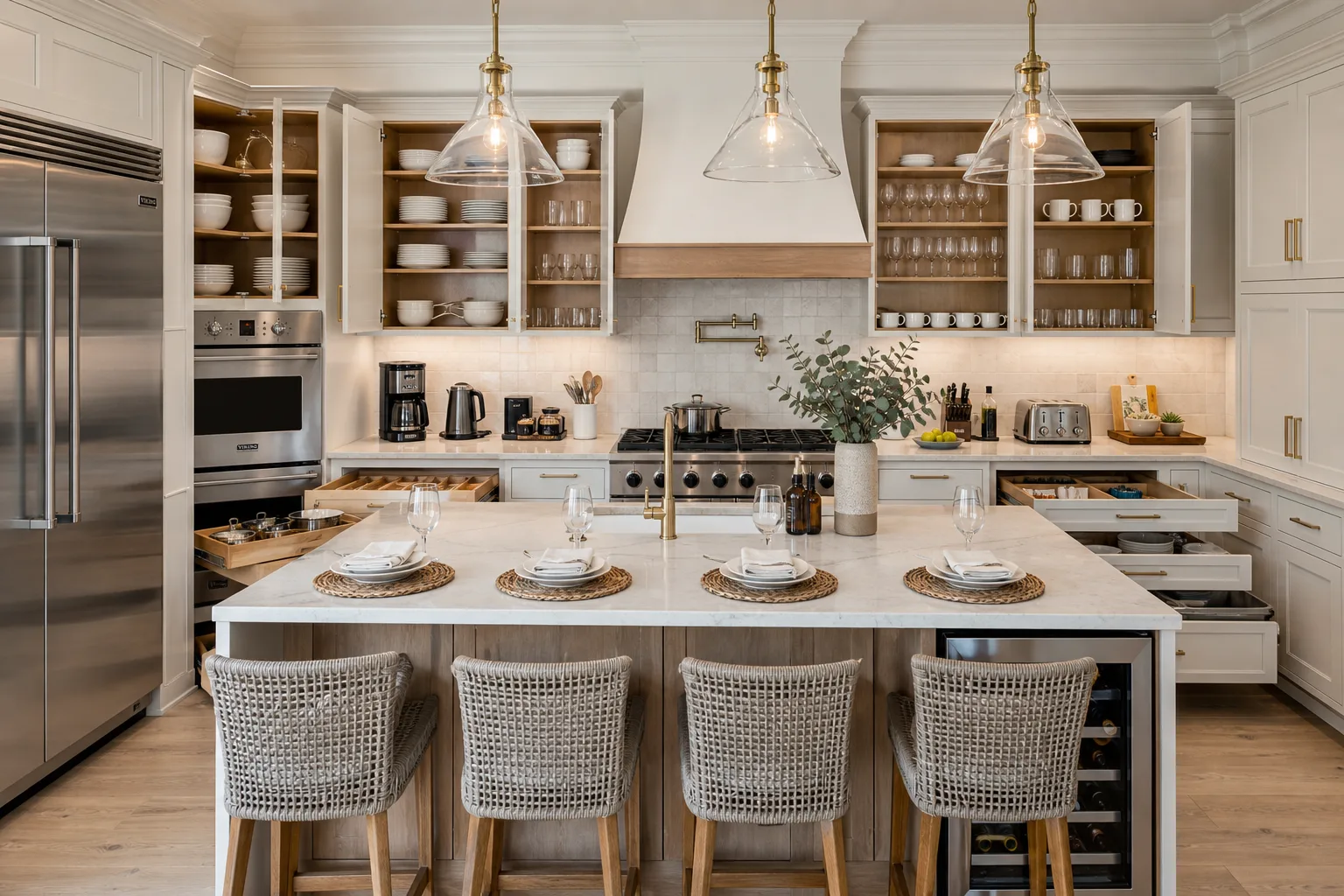
Kitchen tooling — cookware, bakeware, prep tools, small appliances — is consistently the most under-budgeted category in houseware proposals across property sizes. Vacation rental guests cook differently than homeowners (large-group meals, vacation comfort-food cooking, holiday gatherings at vacation properties), and the kitchen tooling has to support that use. A 5BR resort home with weekend hosting use needs the kitchen tooling to handle a 12-person Thanksgiving meal, a kids' pancake breakfast, and a poolside grilling spread — not just a couple making coffee. The kitchen-tooling depth is what guests post about in reviews when the kit is short; few categories move review quality as visibly.
Linen rotation logistics affect housewares cost
Linen rotation — sheets, towels, washcloths — has a meaningful cost-driver impact on the kit specification. Properties with in-property laundry on a same-day turnover schedule typically run 1.5–2x guest-capacity in linen inventory (one set on the beds, one set in the laundry rotation, occasional spares). Properties with commercial laundry on a multi-day turnover typically run 2–3x guest-capacity in linen inventory (multiple complete sets in the rotation). The linen-inventory decision is usually made between the houseware-package vendor, the PM, and the owner; it materially affects the houseware scope and the operational cost over the first year. A property that budgets only 1x guest-capacity in linens and relies on same-day turnover with no buffer is one late cleaner or one delayed laundry cycle away from a bed with no sheets on it — a failure mode we see most often in the first 90 days, before a PM has dialed in the actual turnover rhythm. Building in the extra 0.5x buffer from day one costs less than the emergency linen run and same-day review hit that follows a bare-mattress photo from an angry guest.
What moves the houseware-package planning range up
Cost drivers pushing toward the higher end of any kit-tier: hospitality-grade product across all seven categories (vs functional commodity), premium linen and bedding (linen sheet sets, premium bath linens, luxury throws), design-coordinated palette (tableware coordinated to design direction, towels matched to bath palette), expanded kitchen-tooling depth (small appliances, specialty cookware, prep-tooling depth), full outdoor housewares (outdoor dining service, pool towel rotation, beach-gear inventory at coastal properties), and elevated specialty inventory (welcome amenity packages, in-property guest welcome supplies). At Luxury Estate and Mega-Rental scope, these drivers can move the houseware planning range 60–100% within the tier. A welcome amenity package alone — coffee, snacks, and local treats staged on the counter for check-in — is a small line relative to the rest of the kit, but it's one of the few houseware decisions that shows up by name in guest reviews within the first 24 hours of a stay, which makes it disproportionately visible for its cost.
What moves the houseware-package planning range down
Cost drivers pulling toward the lower end: commodity-grade product across categories (functional, replaceable, no design coordination), bedroom-count sizing (versus guest-capacity sizing — acceptable for owner-occupant homes but never for STR), single linen rotation (1x guest-capacity rather than 1.5–2x), basic kitchen tooling depth (no small appliances, no specialty cookware), and no outdoor housewares scope. A Launch-Ready houseware kit executed cleanly at the lower end can still launch a property functionally — it does not match the gallery quality or review trajectory of a launch-ready package or full amenity package kit, but it can be the right answer for a budget-conscious launch or a phased install.
How FPUSA scopes houseware packages in proposals
Houseware packages appear in our scoped proposals as a discrete line item with explicit guest-capacity sizing, kit-tier designation (Launch-Ready, launch-ready package, full amenity package, Luxury Estate, Mega-Rental), and category-level breakdown across the seven categories. Linen-rotation logistics are confirmed in the scope conversation and reflected in the inventory specification. Replacement-cadence planning is flagged as an operational follow-on with the PM partner. Owners reviewing our houseware scope alongside alternative-vendor proposals can typically identify the sizing logic and kit-tier differences directly — the most common gap is bedroom-count sizing in the alternative proposal vs guest-capacity sizing in ours.
What to do first this week
Open three same-bedroom-count comps on Airbnb or VRBO and screenshot bunk photos, outdoor dining seats, and primary suite finish. List where your home falls short — that gap list becomes your furnish scope. Send your floor plan for a scoped proposal.
What we see go wrong
- Accepting houseware kits sized to bedroom count rather than to guest capacity — the single biggest source of post-launch operational pain across every property size.
- Treating housewares as a single bundled line item without category-level breakdown — obscures the cost drivers and almost always under-scopes at least one of the seven categories.
- Under-budgeting kitchen tooling depth — the most-reviewed houseware category and the most consistently under-scoped in proposals.
- Skipping the replacement-cadence conversation — leaves the operational replacement budget unplanned and produces emergency retail runs that cost 2–3x planned procurement.
- Single-rotation linen inventory in properties with commercial laundry turnover — produces beds without sheets during turnover gaps and degrades same-day turnover performance.
- Skipping outdoor housewares scope on properties with outdoor dining — produces outdoor entertainment areas that cannot actually be used for outdoor entertainment.
- Defaulting to commodity-grade product across categories on full amenity package or higher package level properties — produces a kit that does not match the gallery-quality of the rest of the property.
Related Community Guides
Eight Core Services
Turnkey to Themed Rooms — All Under One Roof
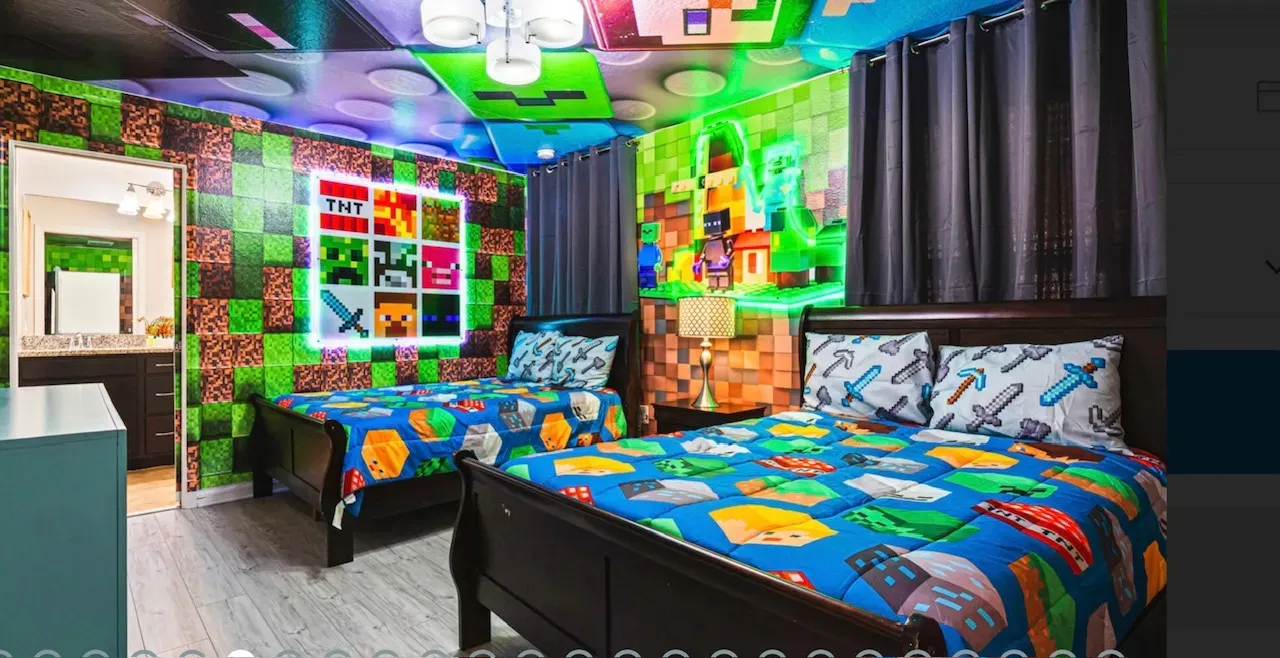
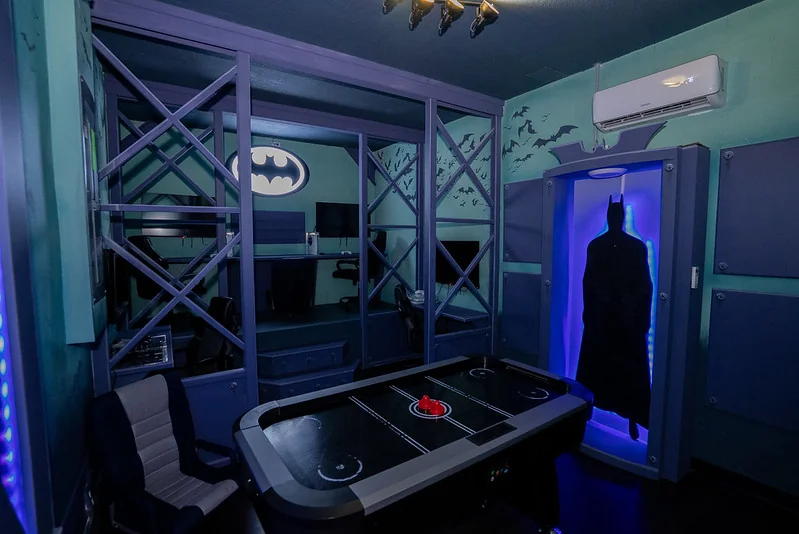
Full furniture packages, STR interior design, themed kids suites, game room conversions, property prep, custom bunks, white-glove install, and listing-ready staging — for vacation rentals and second homes across Orlando, Kissimmee, Davenport, and the full Florida STR market.
Frequently Asked Questions
How big a difference does guest-capacity vs bedroom-count sizing actually make?
A 5BR property sleeping 14 typically needs 30–40% more houseware inventory than a 5BR sized as a 5BR (10-guest kit). The cost differential is real but recoverable in operational quality — properties with bedroom-count-sized kits run short within the first two booking cycles and the replacement runs over the first 6 months usually exceed the original sizing differential by 1.5–2x because of emergency retail procurement vs planned wholesale procurement.
Which houseware categories matter most for review quality?
Kitchen tooling depth (most-reviewed category, most under-scoped), bath linen quality (towels are noticed and reviewed within the first booking), bedding quality (sheets and pillows drive sleep-quality reviews), and dining-capacity inventory (groups of guests cannot dine if there are not enough place settings). Cleaning supplies, laundry supplies, and outdoor housewares are second-order for review quality but still matter for operational completeness.
Should I plan for replacement budget in the first year?
Yes — about 10–20% of the initial houseware kit value is a realistic first-year replacement budget for launch-ready package properties under regular booking. Replacement cadence accelerates in mega-rental and group-travel properties with continuous high-occupancy turnover; it slows in owner-occupant-blended properties with seasonal-only STR use. The replacement budget is typically operational expense (PM-managed or owner-managed), not part of the initial furnishing package.
Do PMs typically handle houseware replacement or does the owner?
Depends on the PM partner agreement. Full-service PMs typically handle ongoing operational housewares (paper goods, cleaning supplies, basic linen replacement) as part of operational fees. Larger replacement events (sheet sets, towels, kitchen tooling) are usually owner-coordinated either directly with the furnishing vendor or with a houseware-replacement vendor. The split should be explicit in the PM agreement; ambiguous splits produce gaps where neither party handles replacement and the property runs short of housewares.
How does houseware scope differ between an owner-occupant home and an STR?
Owner-occupant homes can size to bedroom count (a 5BR owner-occupant home rarely sleeps 14 simultaneously). STRs must size to guest capacity (a 5BR STR sleeps to its listed maximum on most bookings). Kitchen tooling at owner-occupant scope can be a family-of-4 spec; STR kitchen tooling needs to support a 10–12-person group meal. Bath linens at owner-occupant scope can be a family-of-4 inventory; STR bath linens need to support full-capacity turnover. The category-level decisions differ substantially even when the property size is identical.
How does the houseware scope interact with phased install scopes?
Houseware scope is usually installed in the same window as the furniture install for a single-window project. Phased projects (Launch-Ready at the launch target, phased amenity setup add 8–16 weeks later) typically install the launch-tier houseware kit at the launch target and upgrade the kit tier or add specialty inventory during the Phase 2 install. Replacement-cadence planning starts at the launch-target install regardless of phasing.
What should I do first?
Pull three in-community comps with your bedroom count, note bunk, outdoor, and primary suite in the hero photos, then send your floor plan. We match package tier to that comp set before you order furniture.
If I'm on a tight timeline before launch, can I ship a partial houseware kit and add the rest later?
Yes, but sequence it by category, not randomly. Ship kitchen, bath, and bedding complete for launch — those are what guests notice and review in the first stay. Outdoor housewares and specialty inventory (welcome packages, extra linen buffer) can follow in a second shipment within the first two to three weeks without hurting your launch reviews, as long as the core three categories are fully stocked to guest capacity on day one.