What Moves Furnishing Cost
Cost per bedroom is a bad budget shortcut. Four things actually move your number: bedroom footprint, package level, themed bunk + game room + outdoor depth, and install logistics.
Sound familiar?
You asked three providers for a "cost per bedroom" number on the same 5-bedroom. You got three different answers — because bedroom count is only the starting point. A flat multiplier either over-funds a basic launch or under-funds a full amenity build with themed bunk, game room, and upgraded outdoor.
In short
- Cost per bedroom fails — package level and amenity depth move the number more.
- Four inputs: bedroom footprint, package level, amenity depth, install logistics.
- Trim amenities before core quality when budget is constrained — unless comps allow it.
- Transparent proposals break out each input so you can adjust scope deliberately.
The main cost pillar shows planning ranges. This post explains what moves you up or down inside those ranges — and why the same floor plan can land at launch-ready scope or a themed bunk + game room + upgraded outdoor build. Final pricing always needs a scoped proposal; use this before you compare bundled quotes.
What to know
Bedroom count sets the footprint
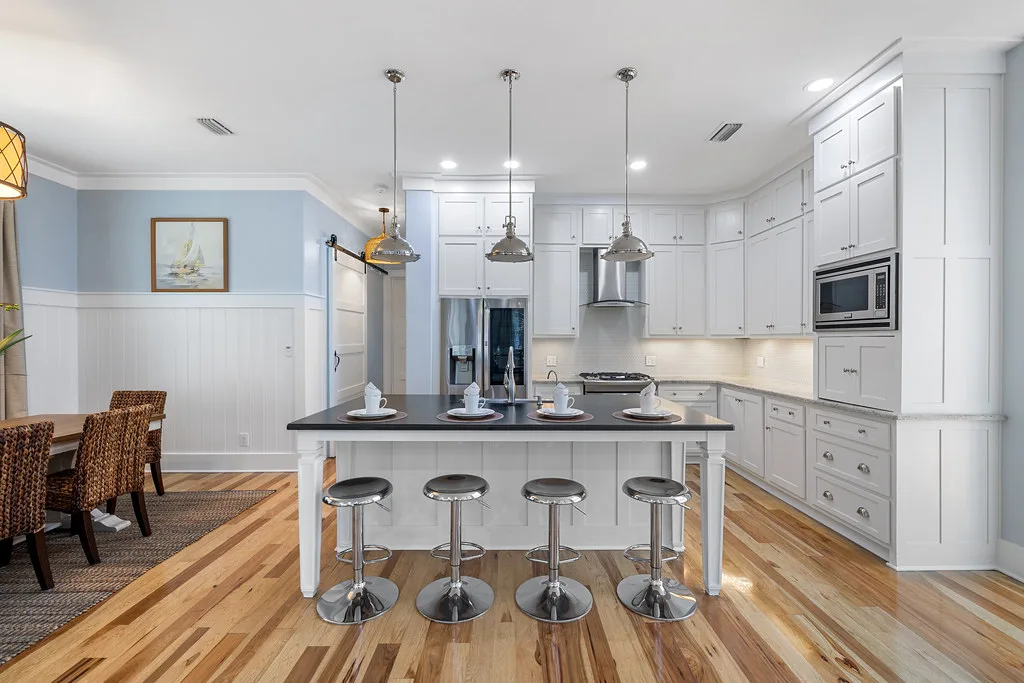
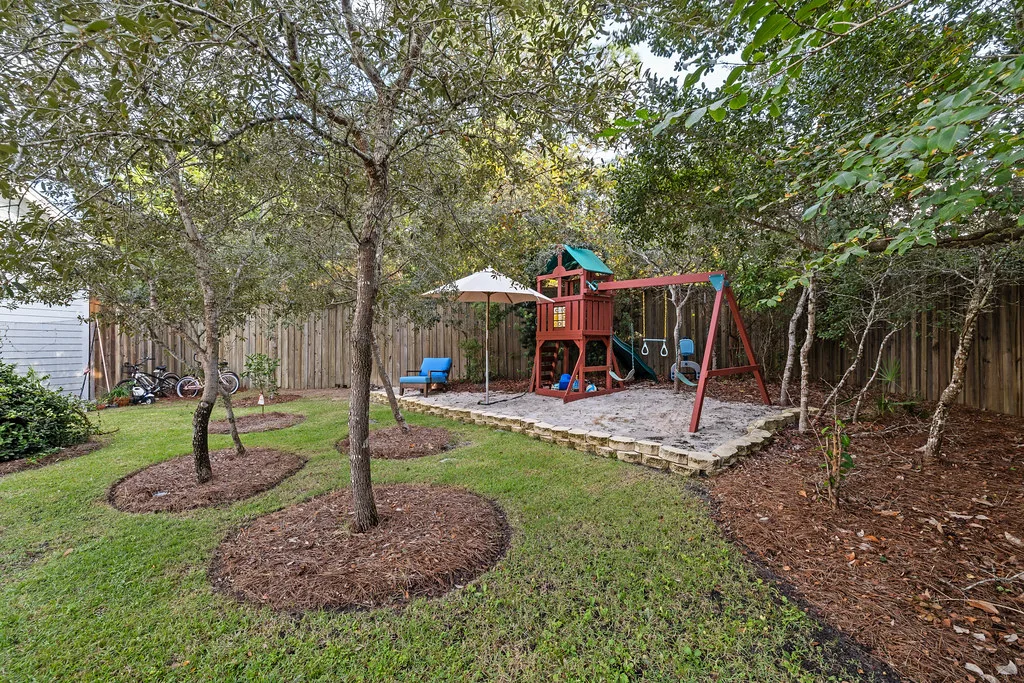
Bedrooms dictate beds, baseline dining, living seating, and starting houseware depth. But a 6-bedroom at launch-ready scope can cost less than a 4-bedroom at luxury estate scope. Bedroom count is the floor — not the total.
Package level is the biggest multiplier
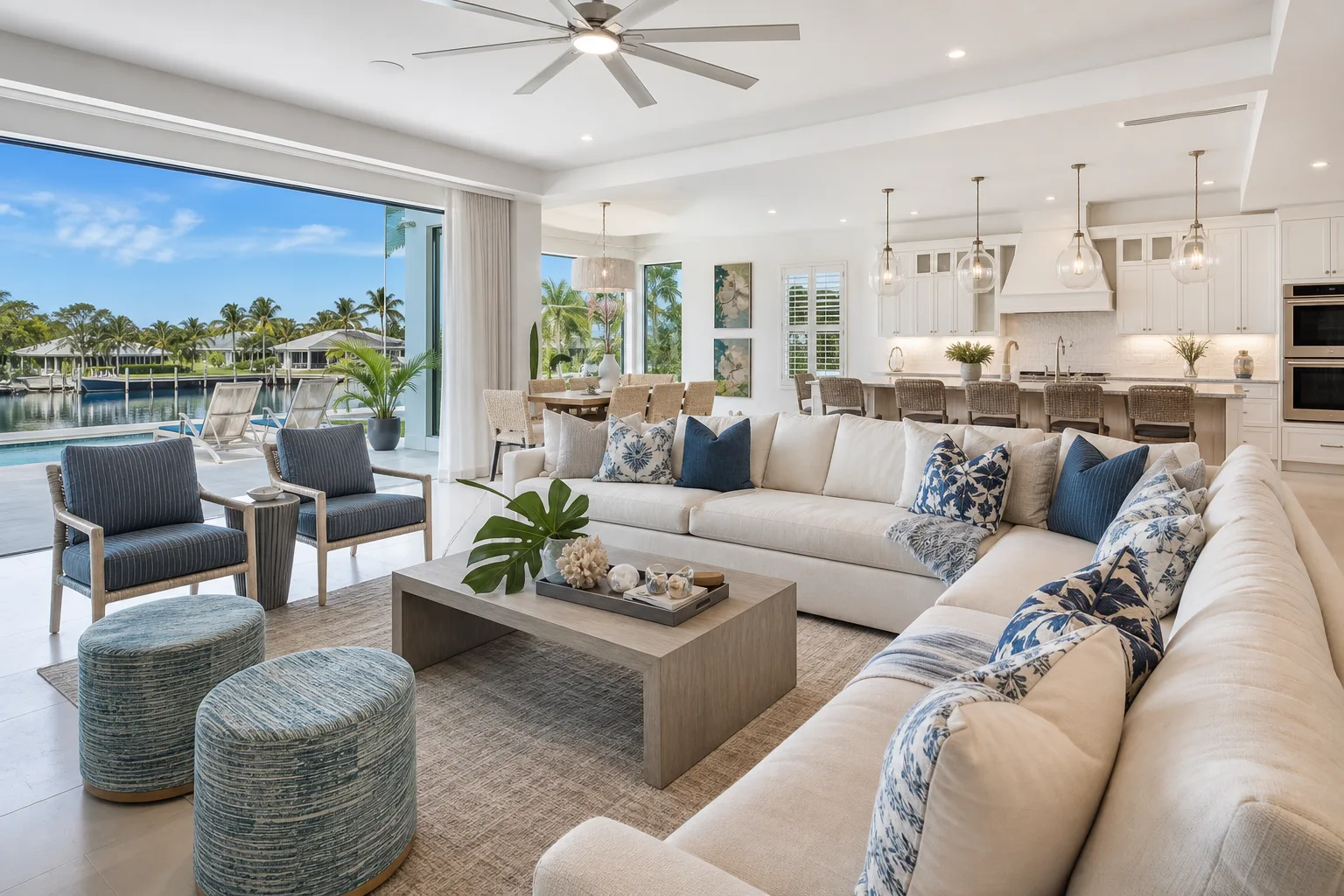
Launch-ready, full amenity package, luxury estate, and mega-rental are different products — not price tiers on the same list. Moving from performance fabrics and aluminum outdoor to designer-trade upholstery and hospitality-grade teak can shift the budget 1.5–2.5x at the same bedroom count. Match package level to neighborhood comps before you compare quotes.
Amenity depth is where budgets swing widest
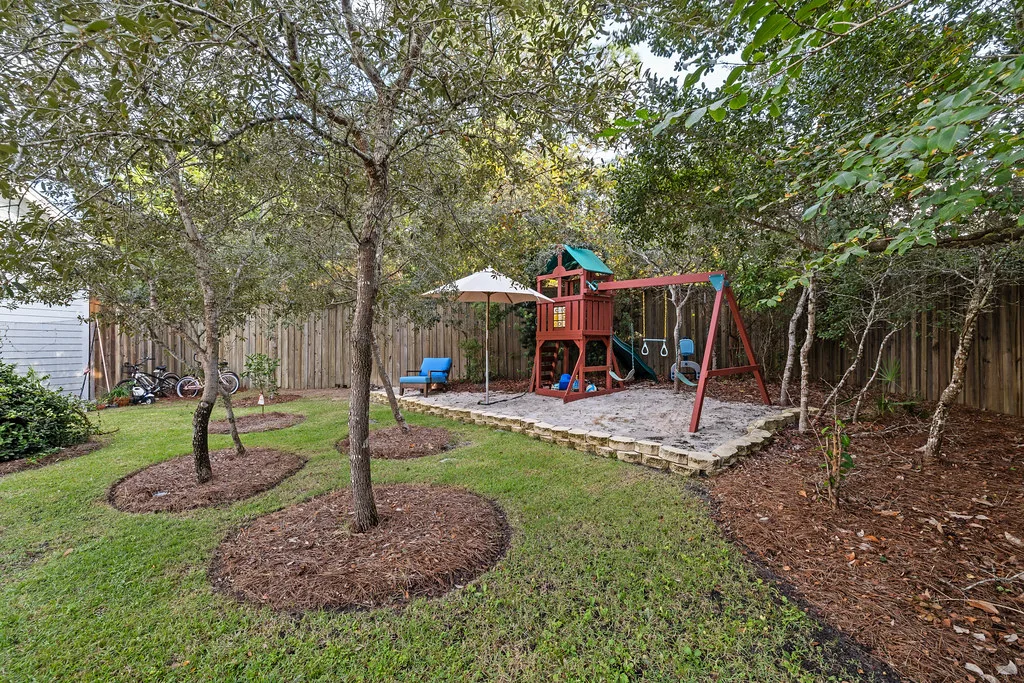
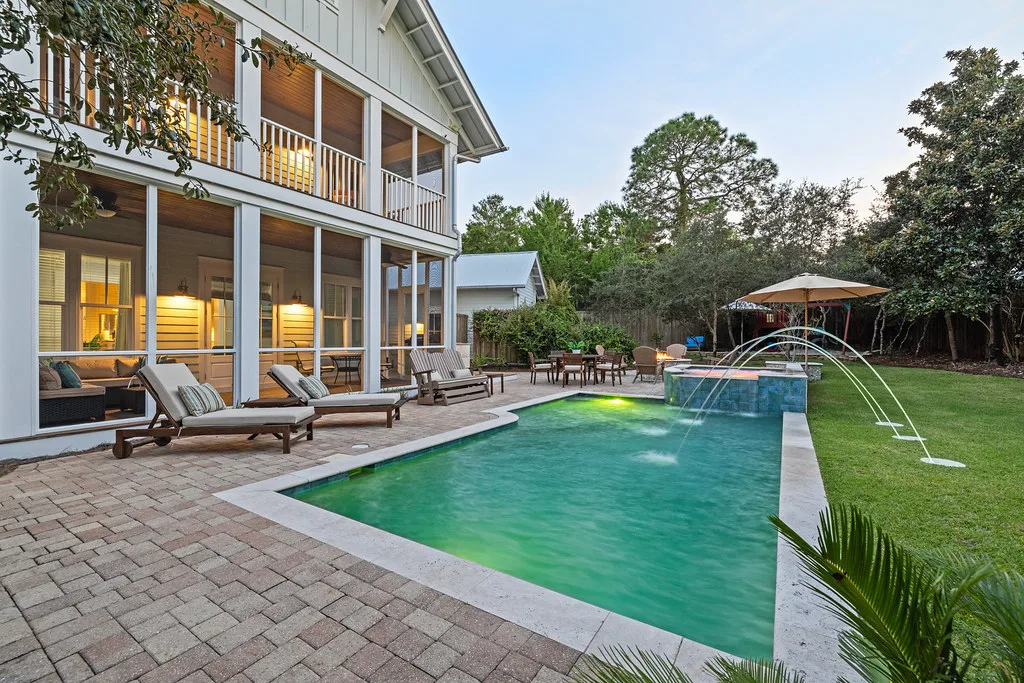
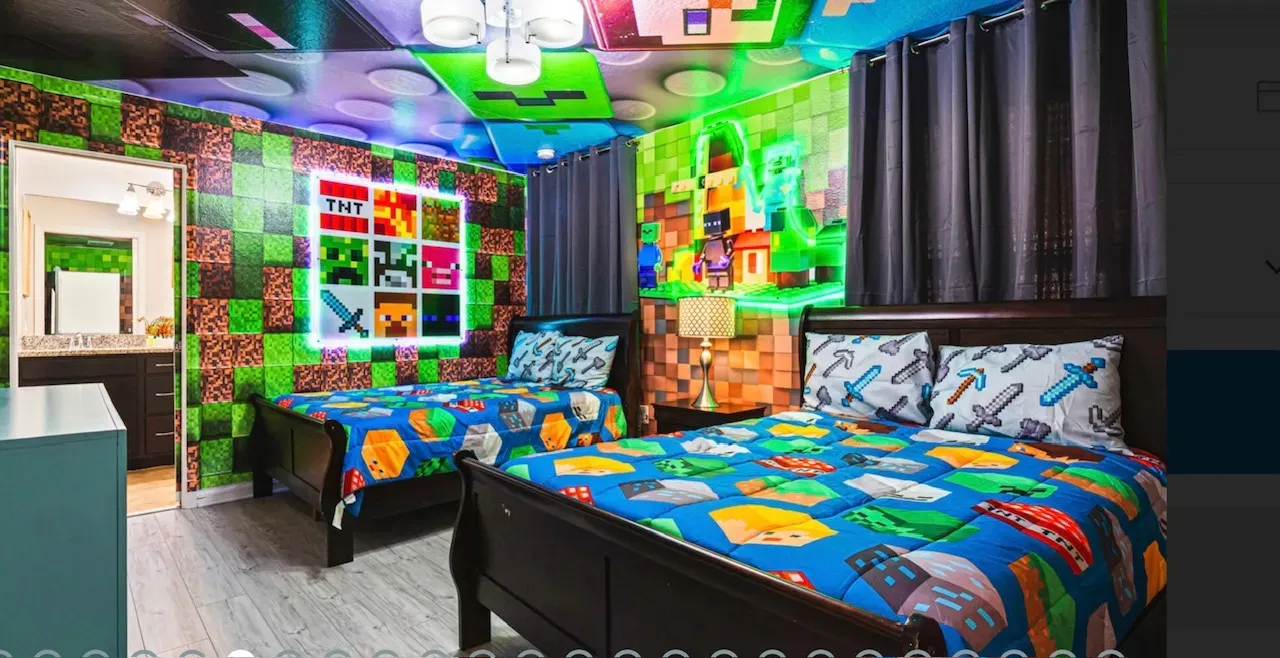
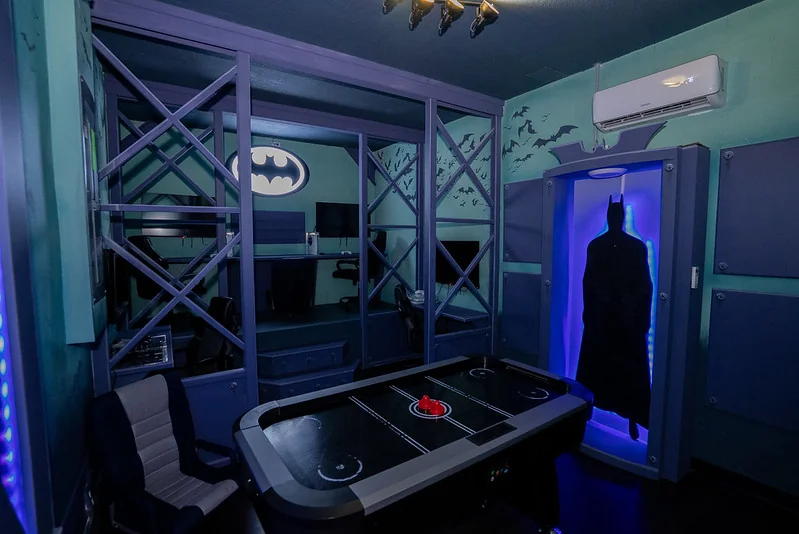
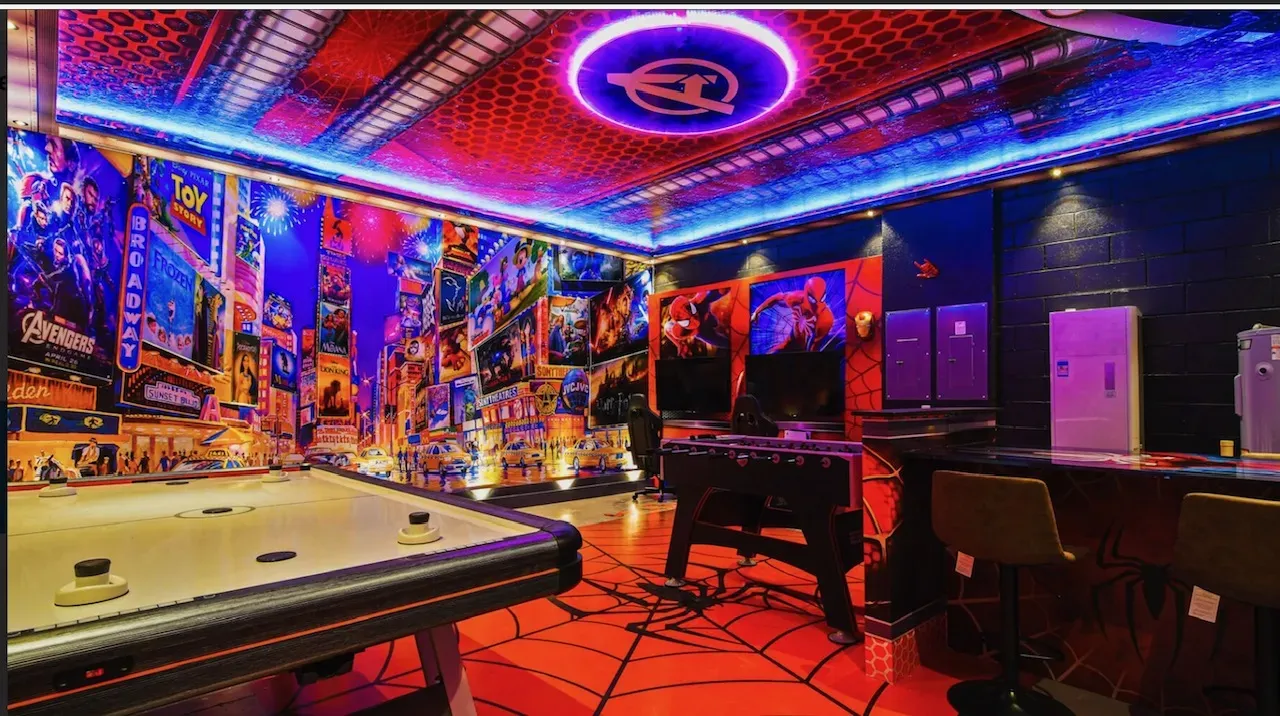
Themed bunks, game rooms, theaters, and full pool-deck builds are optional layers — until your comps include them. A property with no dedicated amenity rooms costs fundamentally less than one with custom-fabricated bunks and a flagship game zone. This is usually where owners have the most control: basic arcade setup vs. multi-zone entertainment, painted bunk vs. built-in millwork.
Install logistics hide inside single-number quotes
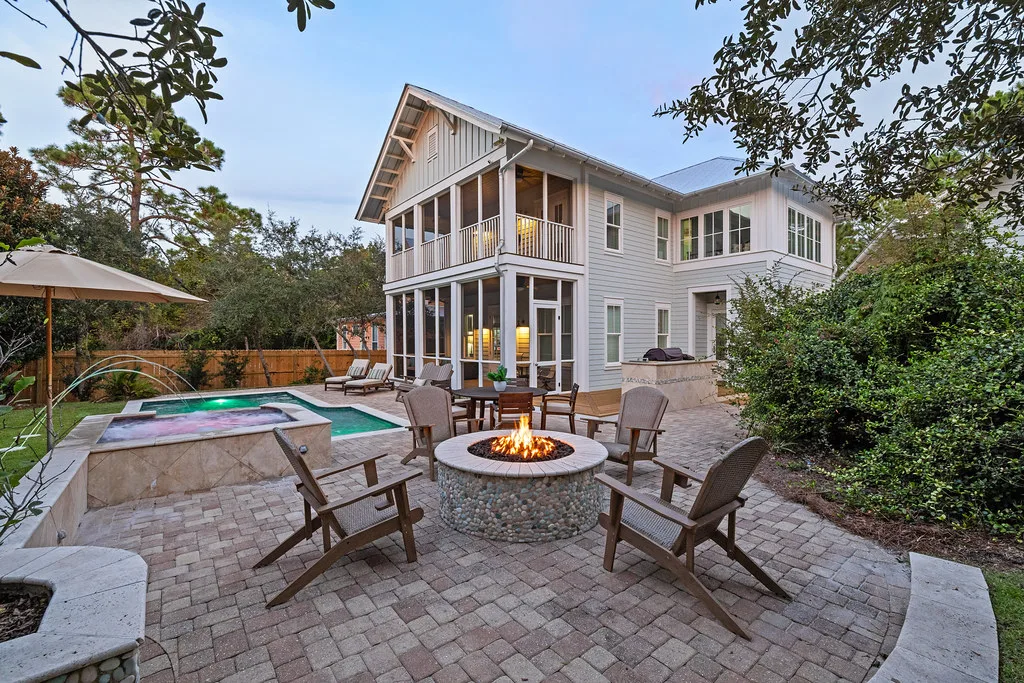
Single-vendor install on a flexible calendar costs less than multi-vendor coordination compressed into a pre-holiday launch window. Custom fabrication, designer-trade procurement, and multi-zone staging add project-management time that flat-percentage install lines miss — then surface as change orders.
How the four inputs interact
High bedroom count plus deep amenity scope pushes you toward mega-rental logistics. Low bedroom count plus luxury estate materials produces a high cost-per-bedroom but a premium listing. When budget is tight, trim amenity depth before you downgrade core furniture quality — unless your comps prove you can skip the bunk entirely. A 4-bedroom luxury coastal condo and a 10-bedroom Disney-corridor value-tier villa can land at a similar total budget for completely different reasons — one spends it on materials grade across a small footprint, the other spends it on bedroom count and amenity depth across a large one. Knowing which combination you're actually building toward before you request quotes keeps you from comparing two structurally different properties on price alone.
How we break out proposals
Our scoped proposals show footprint room-by-room, package level in materials spec, amenities as separate line items, and install logistics in delivery and staging scope. That structure is what makes apples-to-apples comparison possible. A typical 6-bedroom proposal runs bedroom-by-bedroom furniture as one section, houseware categories as a second, and amenity scope — themed room, game room, outdoor build — as a third, each with its own subtotal, so you can see in under a minute whether a competing quote left out an entire category rather than just pricing it lower. If a competing proposal can't produce that same three-way split on request, treat the missing breakdown itself as useful information about what might be missing from the scope.
What to do first this week
Open three same-bedroom-count comps on Airbnb or VRBO and screenshot bunk photos, outdoor dining seats, and primary suite finish. List where your home falls short — that gap list becomes your furnish scope. Send your floor plan for a scoped proposal.
What we see go wrong
- Using a flat cost-per-bedroom multiplier — package level and amenity depth matter more.
- Downgrading package level when neighborhood comps demand premium finishes — you save capital but lose nightly rate.
- Ignoring install coordination — surprise change orders show up on complex multi-vendor builds.
- Treating themed rooms and game zones as decor add-ons — custom fabrication is a primary cost line.
- Comparing launch-ready quotes to full amenity package quotes without adjusting for scope.
Related Community Guides
Eight Core Services
Turnkey to Themed Rooms — All Under One Roof
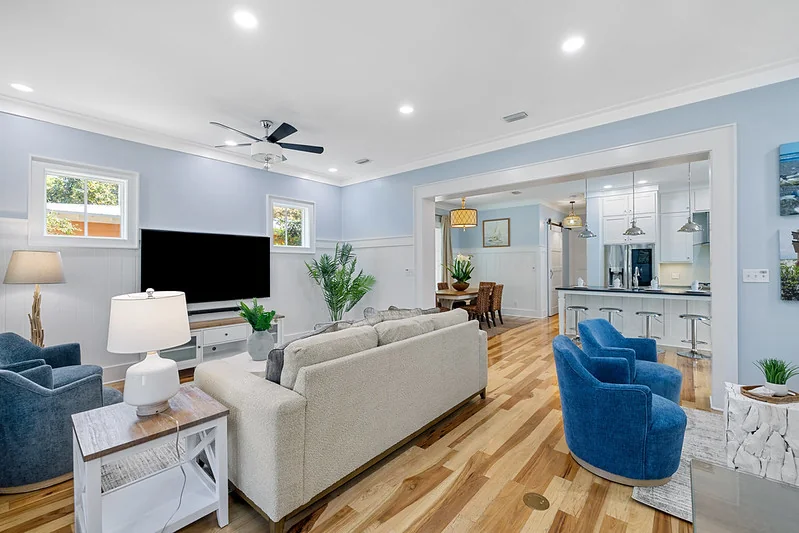
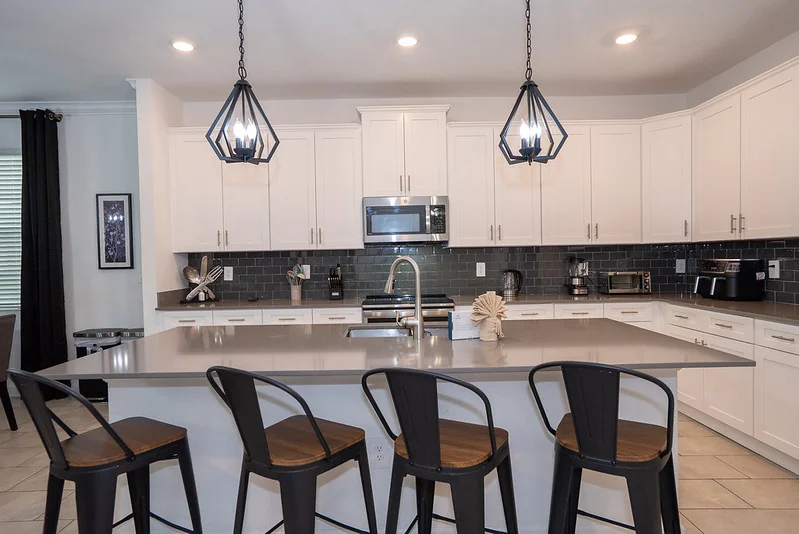
Full furniture packages, STR interior design, themed kids suites, game room conversions, property prep, custom bunks, white-glove install, and listing-ready staging — for vacation rentals and second homes across Orlando, Kissimmee, Davenport, and the full Florida STR market.
Frequently Asked Questions
Which input moves the total budget most?
Package level, then amenity depth. Adding or removing a standard bedroom changes the number less than moving from launch-ready scope to a themed bunk + game room + upgraded outdoor build.
Can I mix package levels to control costs?
Limited mixing works — higher tier in living areas, standard in secondary bedrooms — but the property must feel cohesive. Luxury living rooms with launch-ready bedrooms read inconsistent in listing photos. Usually better to hold package level steady and trim amenity depth.
Where do I cut if budget is tight?
First confirm package level matches comps — do not downgrade core quality if the market demands it. Then look at amenities: performance game room instead of flagship simulator, Phase 2 for custom bunk fabrication. Phased install spreads capital without skipping launch.
Why do install costs rise at higher package levels?
More designer-trade procurement, custom bunk assembly, integrated lighting, and multi-vendor coordination. A launch-ready install might take two days; a luxury estate build can run seven to ten with supervision.
How does this relate to the main cost pillar?
The cost pillar shows the ranges. This post explains what pushes a specific property up or down inside them — use both when you budget.
What should I do first?
Pull three in-community comps with your bedroom count, note bunk, outdoor, and primary suite in the hero photos, then send your floor plan. We match package tier to that comp set before you order furniture.
Does the order I furnish rooms in affect the total cost?
A little, mostly through logistics rather than materials. Furnishing bedroom-by-bedroom in multiple small orders costs more in delivery and install trips than one coordinated install of the same total scope, because each trip carries its own freight and labor overhead. If your timeline allows it, batch as much of the order as possible into a single install window even if you're phasing amenity work for later.