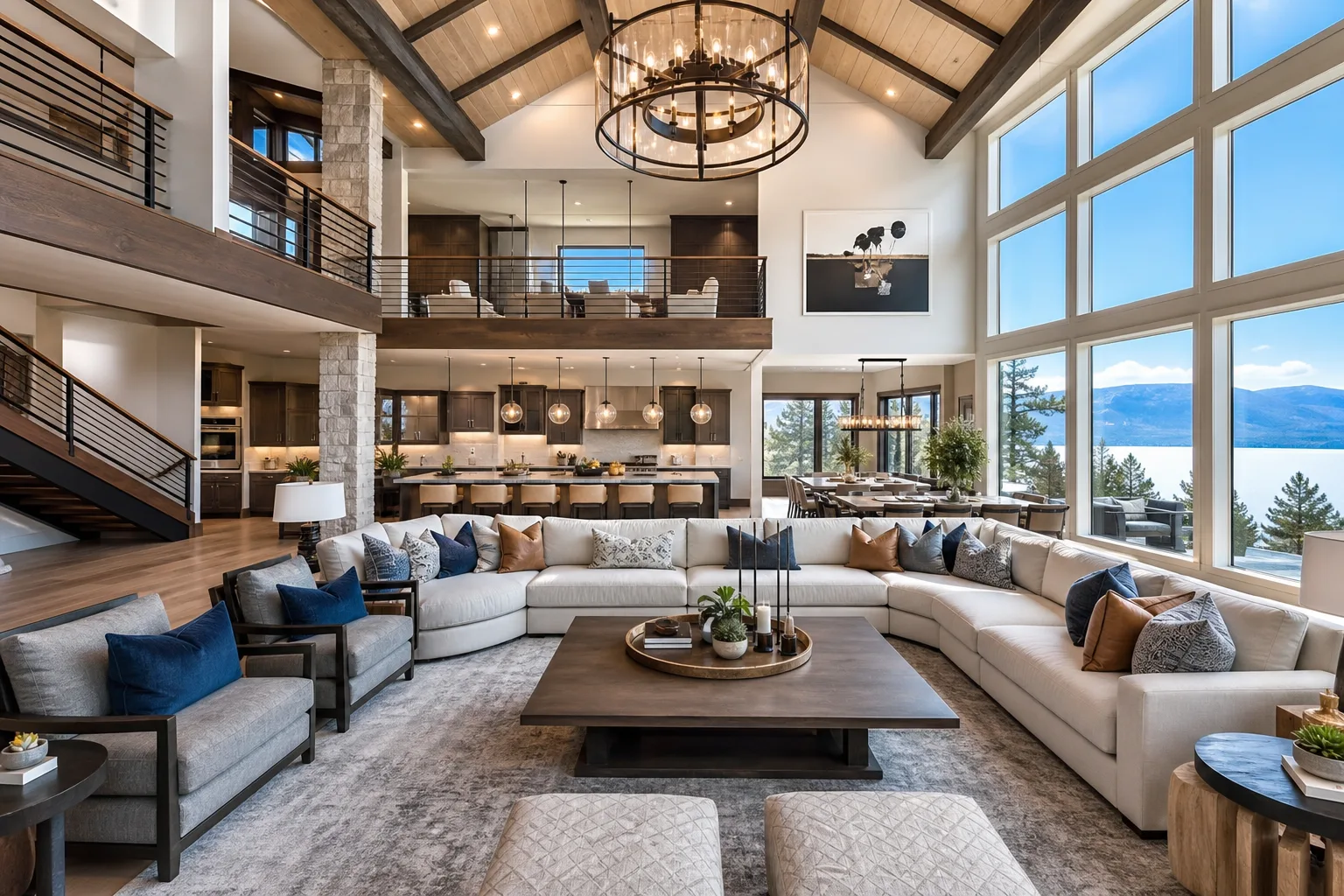
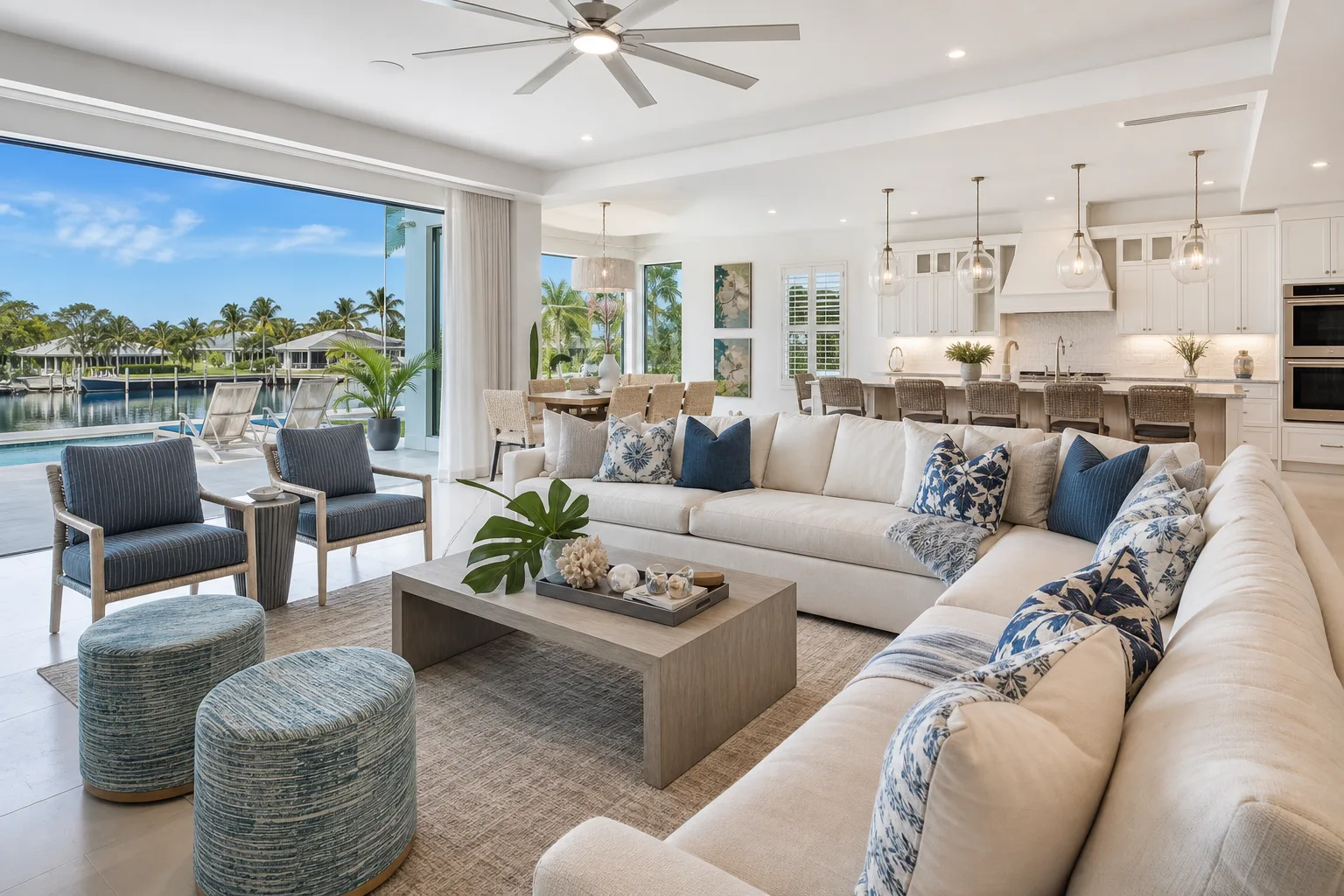
8-Bedroom vs 10-Bedroom Vacation Rental
Eight bedrooms is group-travel basecamp. Ten bedrooms is where the house is the vacation. The ops load and furnishing scope are not the same.
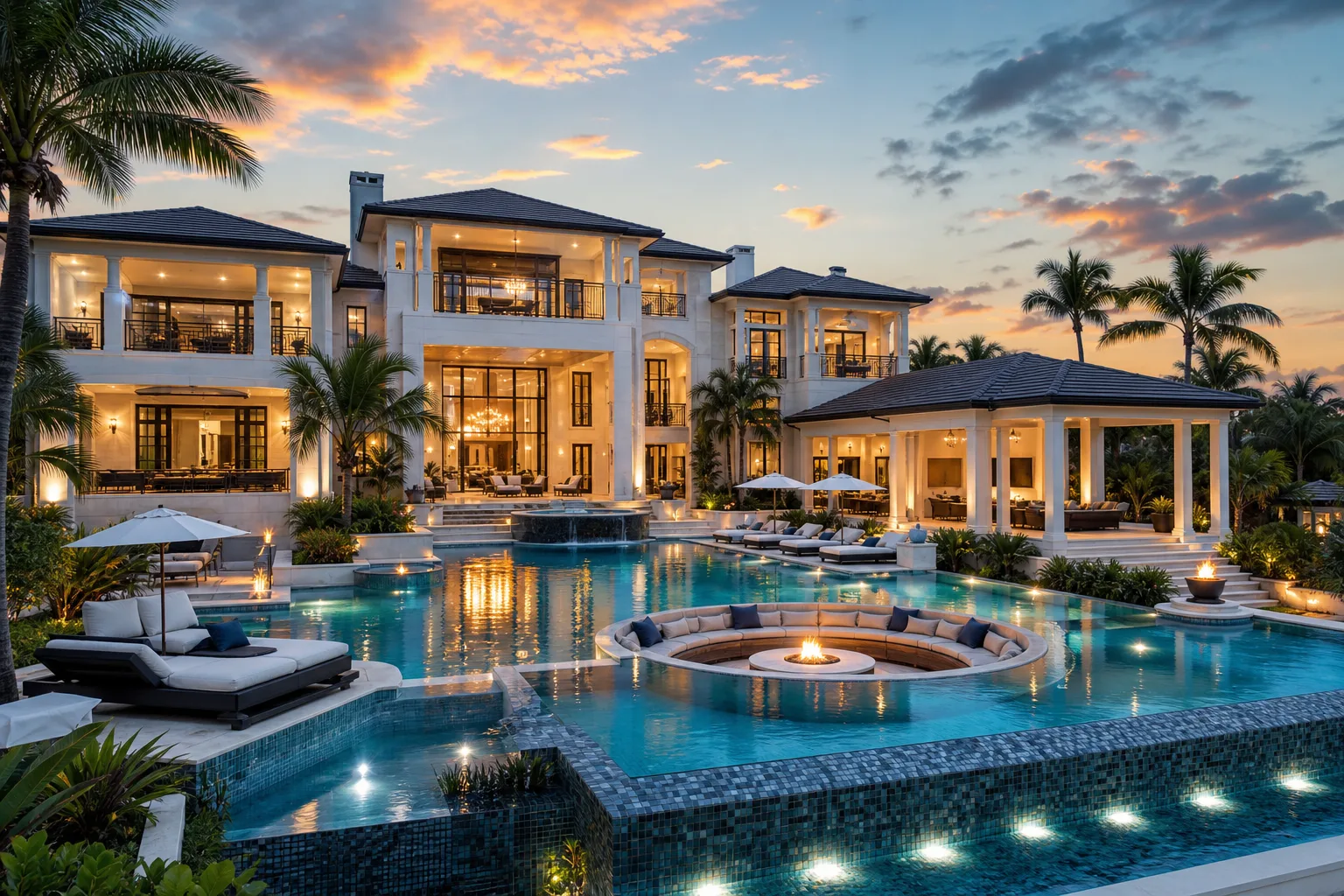
Sound familiar?
You're comparing an 8-bedroom reunion house to a 10-bedroom estate. The 10-bedroom costs more to buy, furnish, and turn — but the bookings look different too. You're not sure if you're buying a bigger version of the same thing or a different business entirely.
In short
- The 8BR vs 10BR decision is a category decision, not a size decision. 8BR is a group-travel STR business; 10BR is a destination-property hospitality business.
- The 10BR amenity setup is the entire competitive position — execution depth on themed bunks, game room, theater, and outdoor decides the booking entirely, not just the nightly rate.
- Operational complexity scales categorically from 8BR to 10BR. 10BRs almost always require a PM partnership or dedicated operations lead; single-property self-managed 10BRs are rare.
- Capital deployment differs meaningfully. 8BR scopes ladder from full amenity package through Mega-Rental; 10BR scopes start at Luxury Estate and ladder through Specialty Flagship.
- Most 10BR investors operate at least one 8BR in their portfolio first. The 8BR is the operational training ground for 10BR-tier destination-property investments.
- Monday action: compare your listing to three comps on bunk, outdoor, and primary suite before signing a furniture PO.
Eight bedrooms is still group travel — families and friend groups use the house as basecamp for parks, beaches, or events. Ten bedrooms is destination property territory: guests plan to live on-site for a week, and the game room, theater, and outdoor zones have to carry the whole trip. Ops at 10 bedrooms looks closer to a small hotel than a big Airbnb. We won't quote revenue here; that's property-specific.
What to consider
The category jump from 8BR to 10BR is bigger than the size jump
An 8BR vacation rental and a 10BR vacation rental are not the same business with different bedroom counts. An 8BR runs as a group-travel STR — the booking audience is multi-family trips, family reunions, large adult groups, corporate retreats, and the property serves as the basecamp for the actual trip (theme parks, beach, sports events). A 10BR runs as a destination property — the booking audience is family reunions, milestone celebrations, multi-family cooperatives, and corporate retreats where the property IS the trip. The 10BR amenity setup has to feed an entire week of indoor and outdoor activity options because the guests aren’t leaving. The 8BR amenity setup is competitive differentiation against neighboring 8BRs; the 10BR amenity setup is the entire booking decision.
Where 8BR wins as an STR investment
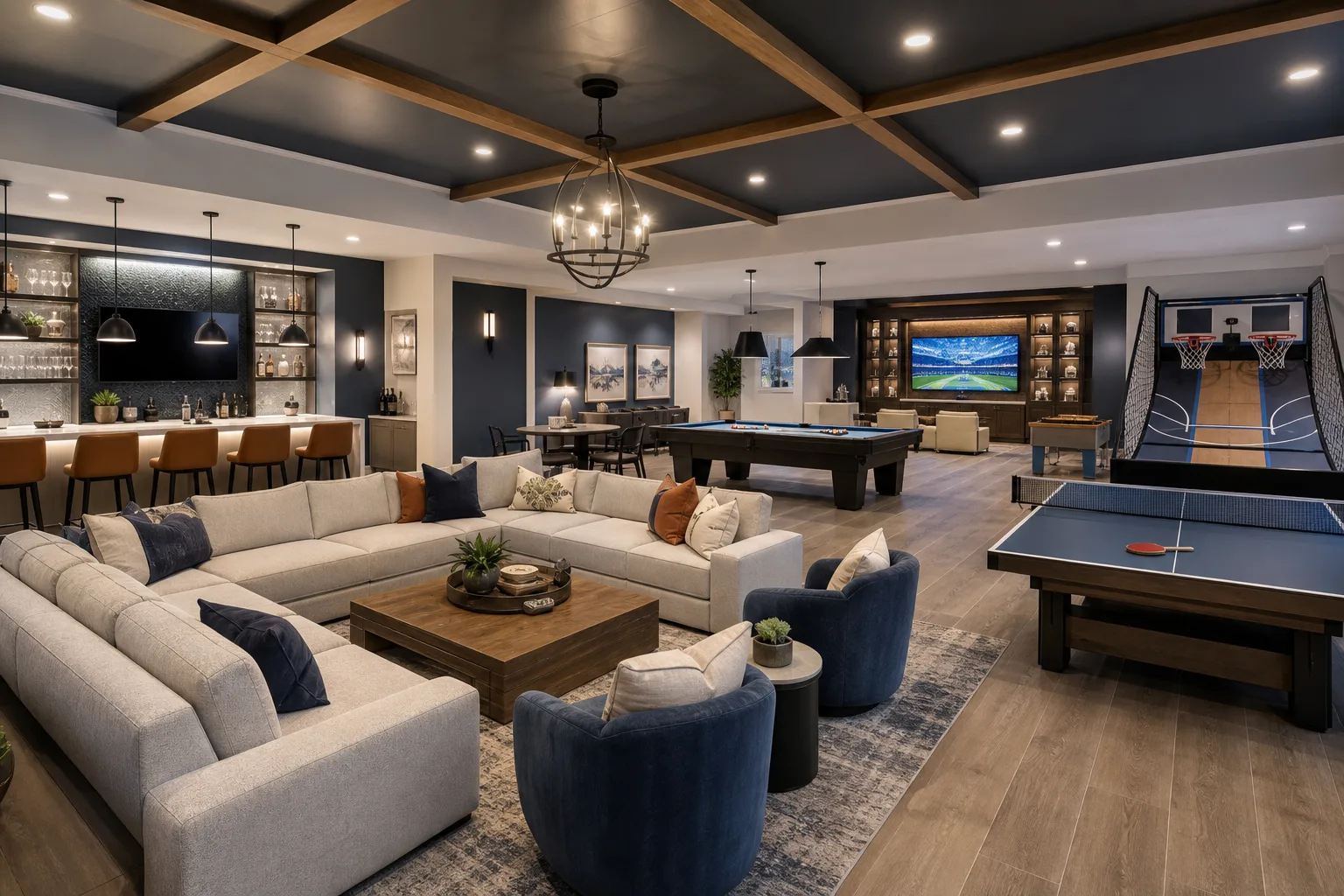
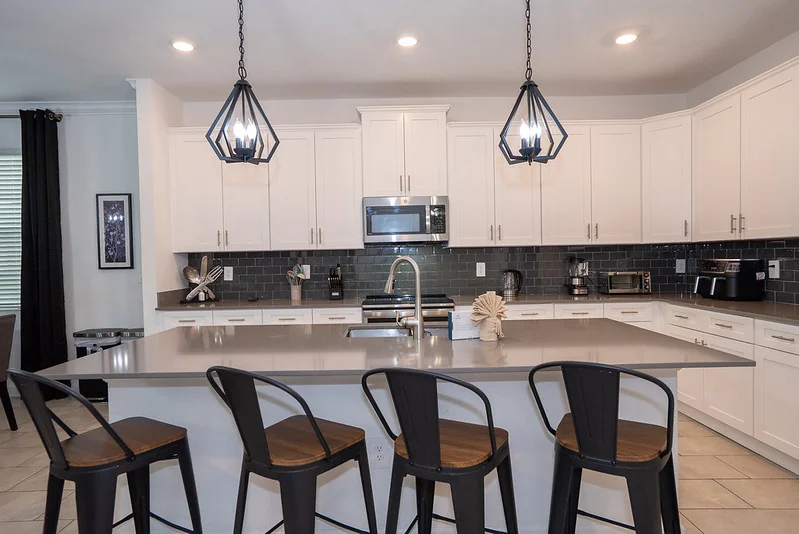
An 8BR sits at the upper end of the group-travel rental market with a meaningfully larger booking audience than a 10BR. The 8BR floor plan supports the standard amenity setup (one or two themed bunk rooms, dedicated game room, real theater room, expanded outdoor for 20+), the carrying costs are meaningfully lower than 10BR, and the operational complexity is high but still inside the “experienced owner-plus-PM partnership” envelope. The 8BR is also the better capital-efficiency play — the full amenity package and Luxury Estate scopes at 8BR deliver booking-conversion impact at planning ranges that 10BR can’t match, simply because the 10BR scope ladder starts higher and accelerates faster. For experienced investors with serious capital but not yet at flagship-scale appetite, the 8BR is the cleanest answer.
Where 10BR wins as an STR investment
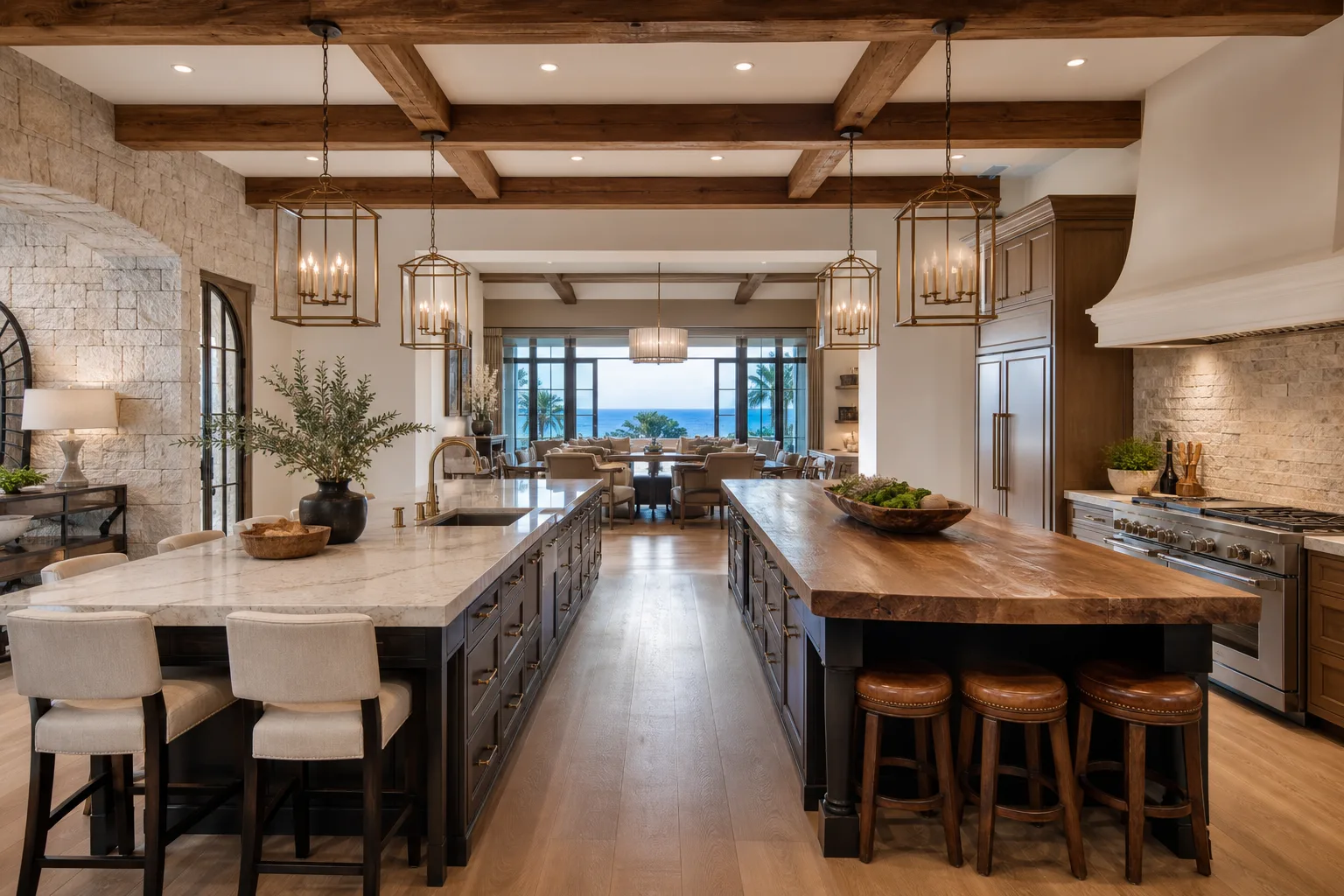
A 10BR opens up the destination-property booking market with categorically different audience economics. Family reunions, milestone birthdays and anniversaries, multi-family cooperatives pooling resources for a flagship stay, corporate retreats needing conference-grade gathering plus sleep capacity — none of these audiences book at the 8BR scale. The 10BR booking values are dramatically higher (multi-night, multi-thousand-dollar reservations), the booking lead times are longer, the average stay length is longer, and the audience-loyalty patterns are stronger (repeat-booking family reunions, anniversary milestone-trip groups). The 10BR also opens up the specialty-scope ceiling — custom architectural bunk fabrication, themed gathering-zone builds, multi-zone outdoor entertainment clusters — that earns its keep at this tier because the property is competing for the multi-thousand-dollar bookings where amenity execution decides the booking.
The amenity plan at 10BR is the entire competitive position
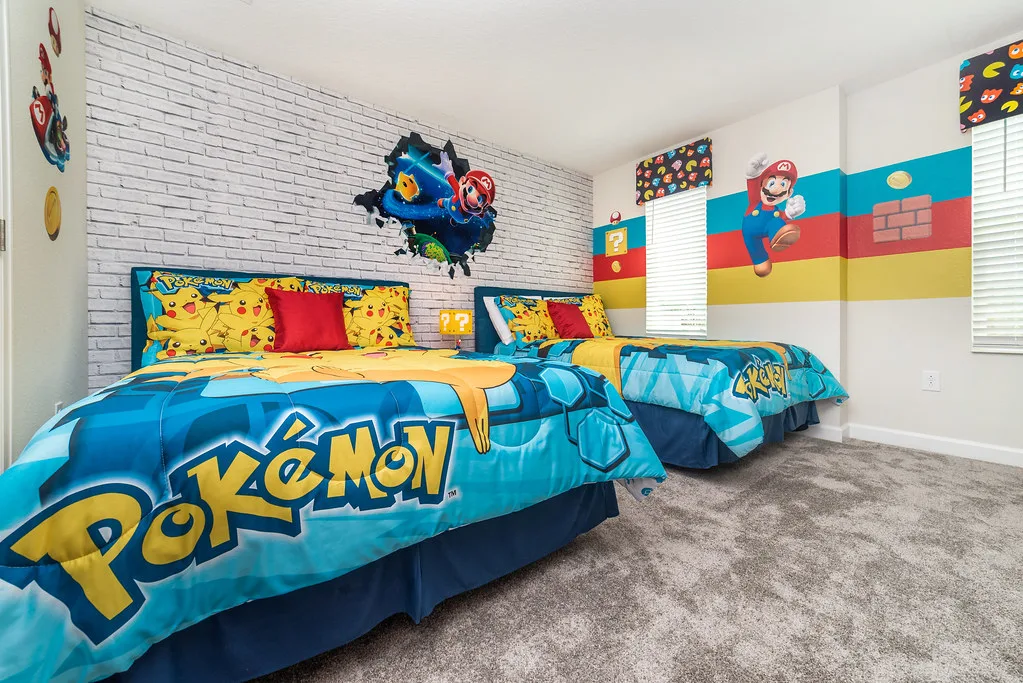
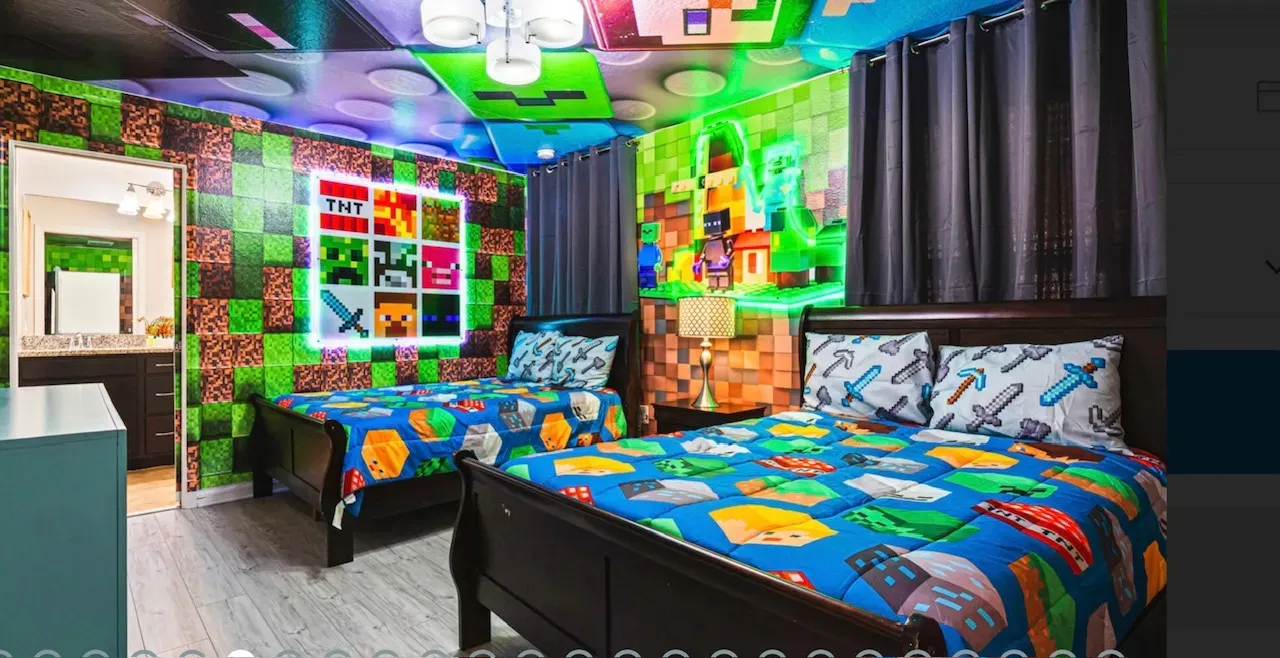
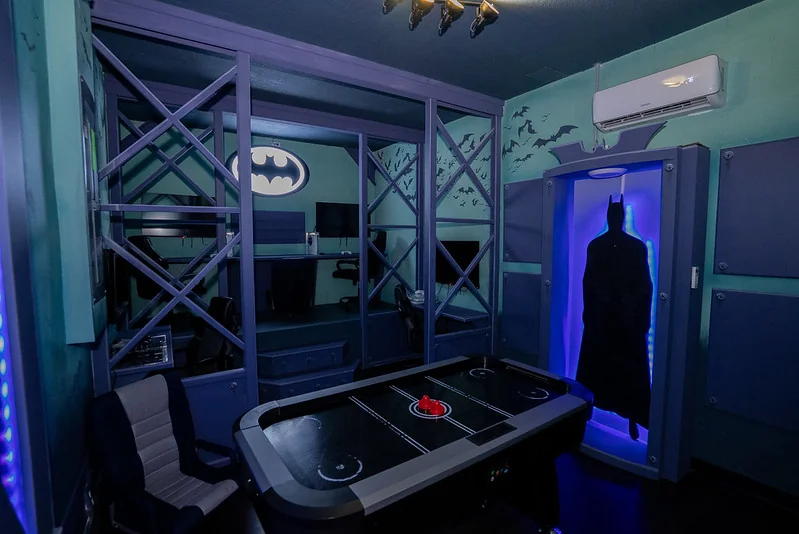
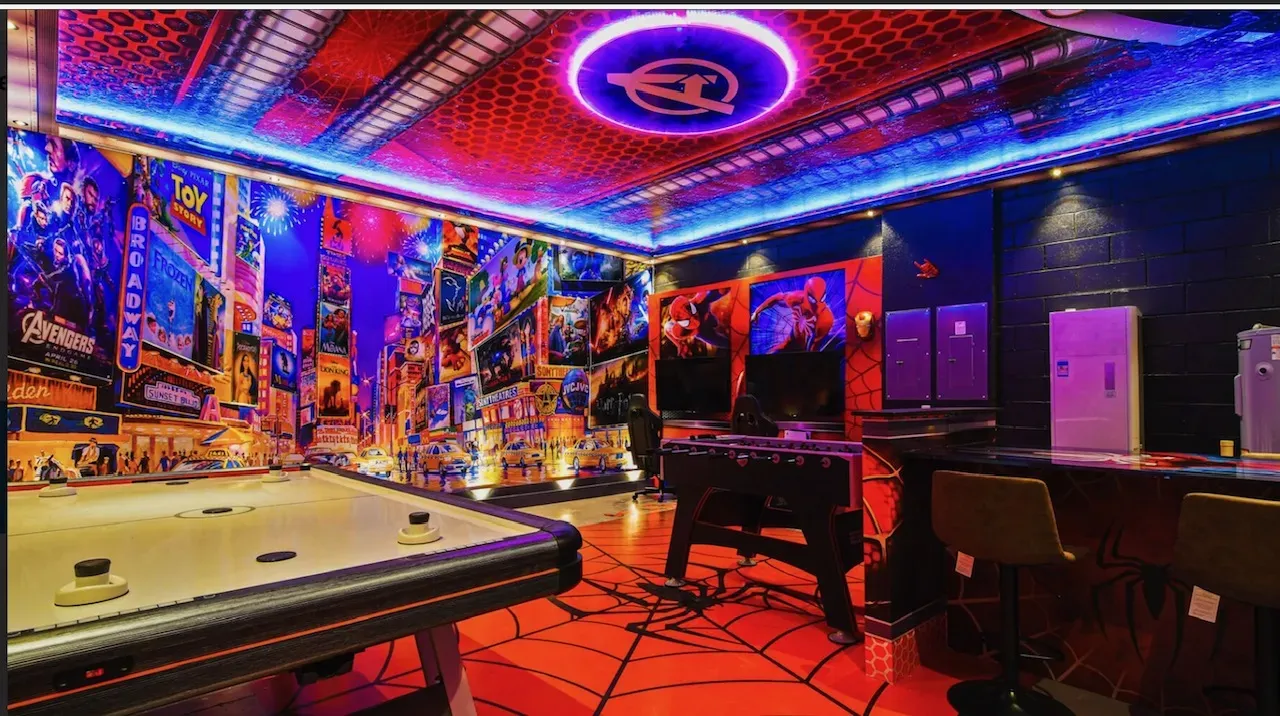
At the 8BR tier, the amenity setup (themed bunks + game room + theater + outdoor) is competitive differentiation against neighboring 8BRs that have the same baseline. Under-furnishing one element (a basic game room instead of a real one) still leaves the listing in the search results — it just loses to neighbors with better execution. At the 10BR tier, the amenity setup stops being differentiation and becomes the entire booking decision. Three or four themed bunk rooms, full dedicated game room with commercial-grade equipment, real theater room with proper acoustic treatment and motorized recliner seating, multi-zone outdoor entertainment with dedicated event-photography composition. Under-furnishing one element at 10BR doesn’t lose to neighbors with better execution — it loses the booking entirely because the destination-property audience filters on amenity depth before they look at any other variable.
Operational complexity step-up is categorical
An 8BR at full 16–20 guest capacity operates as a complex residential STR with a 4–6 hour turnover, a 2–3 person cleaning crew, commercial linen service, and a property-management partner for most owners. A 10BR at full 20–26 guest capacity operates as a small hospitality business with an 8–12 hour turnover, a 3–5 person cleaning crew, doubled-linen-set inventory to prevent shortages during back-to-back high-season bookings, full inventory documentation, dedicated turnover-crew training on the property’s specific houseware kit, and almost always a dedicated property-management partner or operations lead. Single-property self-managed 10BRs exist but are exceptionally rare. The operational economics rarely work without the scale of a portfolio operation behind the property.
Capital deployment and ROI patterns differ meaningfully
The 8BR ROI pattern depends on amenity execution against neighboring 8BR competition. A well-executed full amenity package or Luxury Estate 8BR earns its planning range back over a 3-year hold through booking-conversion lift against under-executed neighbors. The 10BR ROI pattern depends on amenity depth against the small but highly-differentiated destination-property neighborhood comps. The 10BR planning range is wider (it scales from Luxury Estate floor to Specialty Flagship ceiling), the booking values are higher per reservation, and the booking volume is lower than 8BR. Both can be sound investments; the cleanest decision factor is which booking-audience economics you want — higher-volume group-travel (8BR) or higher-value destination-property (10BR).
Which decisions are reversible and which are not
An 8BR-vs-10BR decision is mostly irreversible at the property-purchase stage. An 8BR floor plan never becomes a 10BR, and the destination-property positioning that the 10BR supports requires specific structural features (multiple gathering zones, theater-capable layout, large outdoor entertainment area) that smaller properties cannot deliver. Furnishing scope at either tier is partially flexible after purchase — a full amenity package 8BR can scale up to a Luxury Estate scope over time, a Luxury Estate 10BR can scale up to a Specialty Flagship build. The fundamentals — floor plan, lot, community context, structural amenity infrastructure — are not flexible. The right time to evaluate the 8BR vs 10BR question is at the property-purchase stage with the destination-property positioning goal already in mind.
How we help owners decide
Still shopping? Send both properties. We look at group-travel vs destination positioning, whether the floor plan supports theater and multi-zone outdoor, your PM setup, and capital for full amenity vs luxury estate scope. You get a tier recommendation and a furnishing proposal for whichever house you buy. If you're already leaning toward one property, tell us that too — sometimes the honest answer is that neither floor plan supports the amenity depth the tier requires, and it's cheaper to find out before closing than after you've already ordered a theater room's worth of seating.
What to do first this week
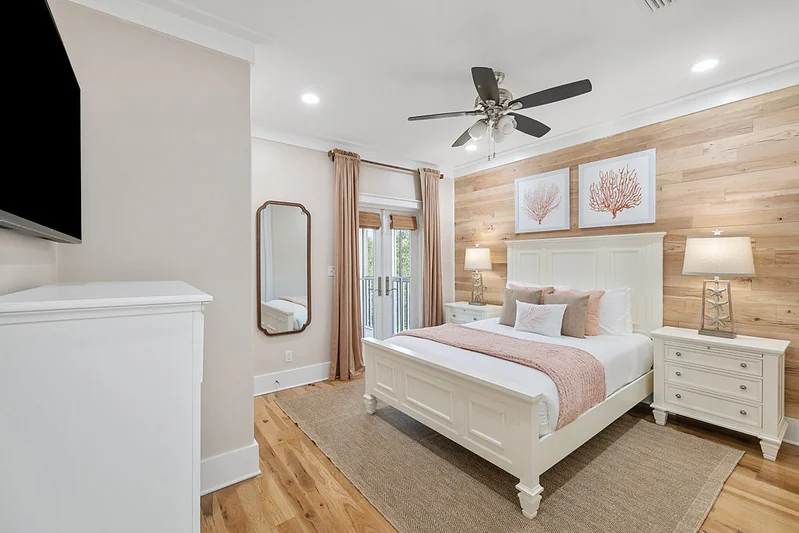
Open three same-bedroom-count comps on Airbnb or VRBO and screenshot bunk photos, outdoor dining seats, and primary suite finish. List where your home falls short — that gap list becomes your furnish scope. Torn between 8 and 10 bedrooms? Send both floor plans — we'll compare scope and ops side by side.
What we see go wrong
- Treating a 10-bedroom as a bigger 8-bedroom — destination properties run on different ops and amenity depth.
- Buying a 10BR without the operational infrastructure (PM partnership, commercial cleaning crew, multi-platform booking management) — single-property self-managed 10BRs rarely produce sustainable results.
- Half-baked amenity plan at 10BR — one themed bunk plus a couch-and-TV theater plus a single arcade cabinet produces the worst class of negative reviews at this tier.
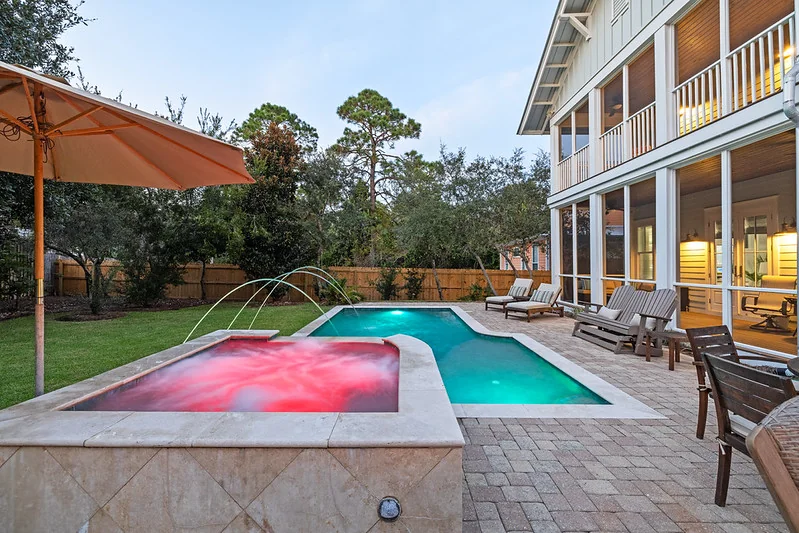
- Under-investing in outdoor entertainment at 10BR — the outdoor zone is consistently the largest single hero photo on a 10BR listing.
- Choosing 8BR vs 10BR on per-bedroom price math alone — the right frame is which business you want to run, not which property is more bedrooms per dollar.
- Buying an 8BR with the intent to scale into 10BR-tier amenity scope — the guest type filters on bedroom count first, and the amenity setup on an 8BR competes against 8BR neighbors regardless of how much extra scope is bolted on.
- Residential-grade specifications at 10BR — commercial-grade upholstery, dining chairs, bed frames, and outdoor furniture are baseline expectations at destination-property scale, not luxury upgrades.
Related Community Guides
Eight Core Services
Turnkey to Themed Rooms — All Under One Roof
Full furniture packages, STR interior design, themed kids suites, game room conversions, property prep, custom bunks, white-glove install, and listing-ready staging — for vacation rentals and second homes across Orlando, Kissimmee, Davenport, and the full Florida STR market.
Frequently Asked Questions
Is an 8-bedroom or 10-bedroom vacation rental a better STR investment in Central Florida?
Different businesses. The 8BR captures the upper end of the group-travel STR market with meaningfully larger booking volume than 10BR and lower carrying costs. The 10BR captures the destination-property booking market with higher booking values per reservation, longer average stays, and stronger audience-loyalty patterns. Both can be sound investments; the cleanest decision factor is which booking-audience economics match the investor’s positioning goal and operational capacity. Most multi-property STR portfolios include both tiers as complementary positions, not as alternatives.
Does a 10BR vacation rental always produce more revenue than an 8BR?
Not in raw nightly-rate terms across all weeks. 10BRs typically command stronger nightly rates in destination-property booking windows (family reunions, milestone celebrations, multi-week corporate retreats) where the property is the trip. 8BRs often hold up better in shoulder-season weeks and in shorter-stay booking windows where the larger property sits empty. Total annual booking revenue is property-specific and depends on furnishing scope, market positioning, amenity execution, and operational consistency. We do not publish revenue projections because they are not honest at the property tier.
How does the amenity setup shift between an 8BR and a 10BR?
At 8BR the amenity setup baseline is: one to two themed bunk rooms, dedicated game room with commercial-grade equipment, real theater room, expanded outdoor entertaining for 20+. At 10BR the amenity setup baseline expands to: three to four themed bunk rooms (each appearing as a separate hero shot in the gallery), full dedicated game room with multiple arcade cabinets, theater room with motorized recliners and proper acoustic treatment, multi-zone outdoor entertainment cluster, often a themed gathering zone (speakeasy lounge, tiki bar) in addition. The scope conversation at 10BR is “how deep does each amenity zone go” rather than “do we add this amenity.”
Can I scale my 8BR amenity scope up to compete in the 10BR market?
No — the guest type filters on bedroom count and maximum sleep capacity first, before the amenity setup is evaluated. An 8BR with 10BR-tier amenity execution still competes against 8BR neighbors, not against 10BR estates. The investment in 10BR-tier amenity scope on an 8BR floor plan over-furnishes the property for its guest type and does not open up the destination-property audience economics. The 10BR competitive position requires the 10BR floor plan, the 10BR sleep capacity, and the structural amenity infrastructure together.
What floor plans support a 10BR build in Central Florida?
In the Disney corridor and luxury resort communities: Windsor Island Resort’s Clearwater Grand (10BR, 4,393 sq ft), Reunion Resort 10–12BR estate floor plans, Encore Resort 10–12BR estates, select large Solara Napa II and ChampionsGate estate-tier homes. All of these floor-plan families support full amenity scope with dedicated theater-room and game-room infrastructure built into the layout. Our 10-bedroom vacation rental furniture package page walks through the floor-plan-specific scope considerations.
Should I operate an 8BR before stepping into a 10BR?
For most investors, yes — and most 10BR owners we work with operate at least one 8BR in their portfolio already. The operational rhythm of a group-travel STR at full capacity, the booking-platform multi-channel management, the PM partnership dynamics, and the turnover-coordination workflows all carry directly into the 10BR business. Going straight from a 5BR or 6BR into a 10BR is rare and operationally risky. The 8BR is the standard operational training ground for 10BR-tier investments.
What should I do first?
Pull three in-community comps with your bedroom count, note bunk, outdoor, and primary suite in the hero photos, then send your floor plan. We match package tier to that comp set before you order furniture.
How much longer does furnishing take at 10BR compared to 8BR?
Plan on 8–12 weeks for a fully-scoped 8BR with theater and game room, and 10–16 weeks for a 10BR destination build once multiple themed bunk rooms, a full theater, and multi-zone outdoor are all in scope. The extra time isn't the furniture itself — it's the number of specialty vendors (muralists, AV installers, custom bunk fabricators) that have to sequence in order without one holding up the rest.