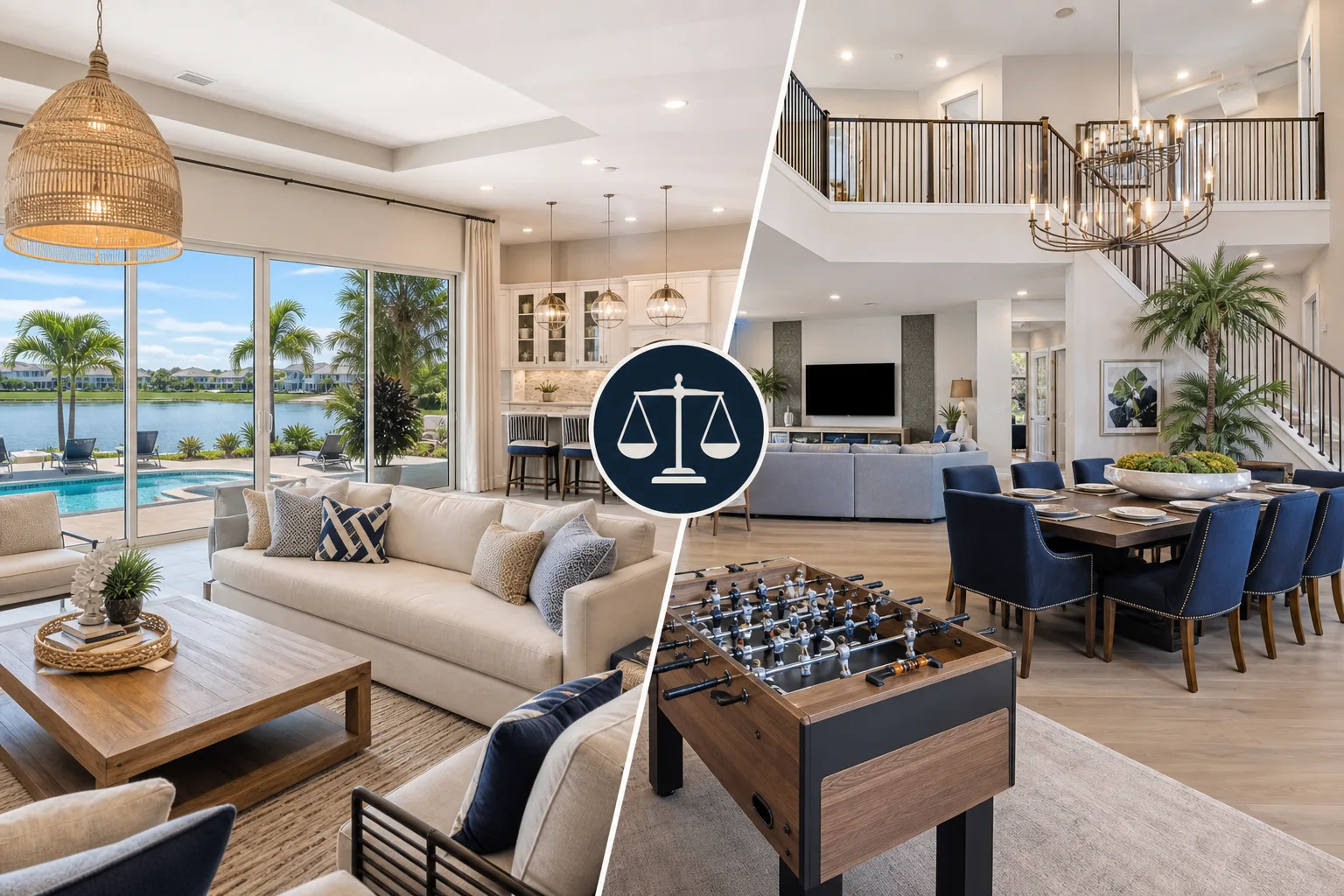
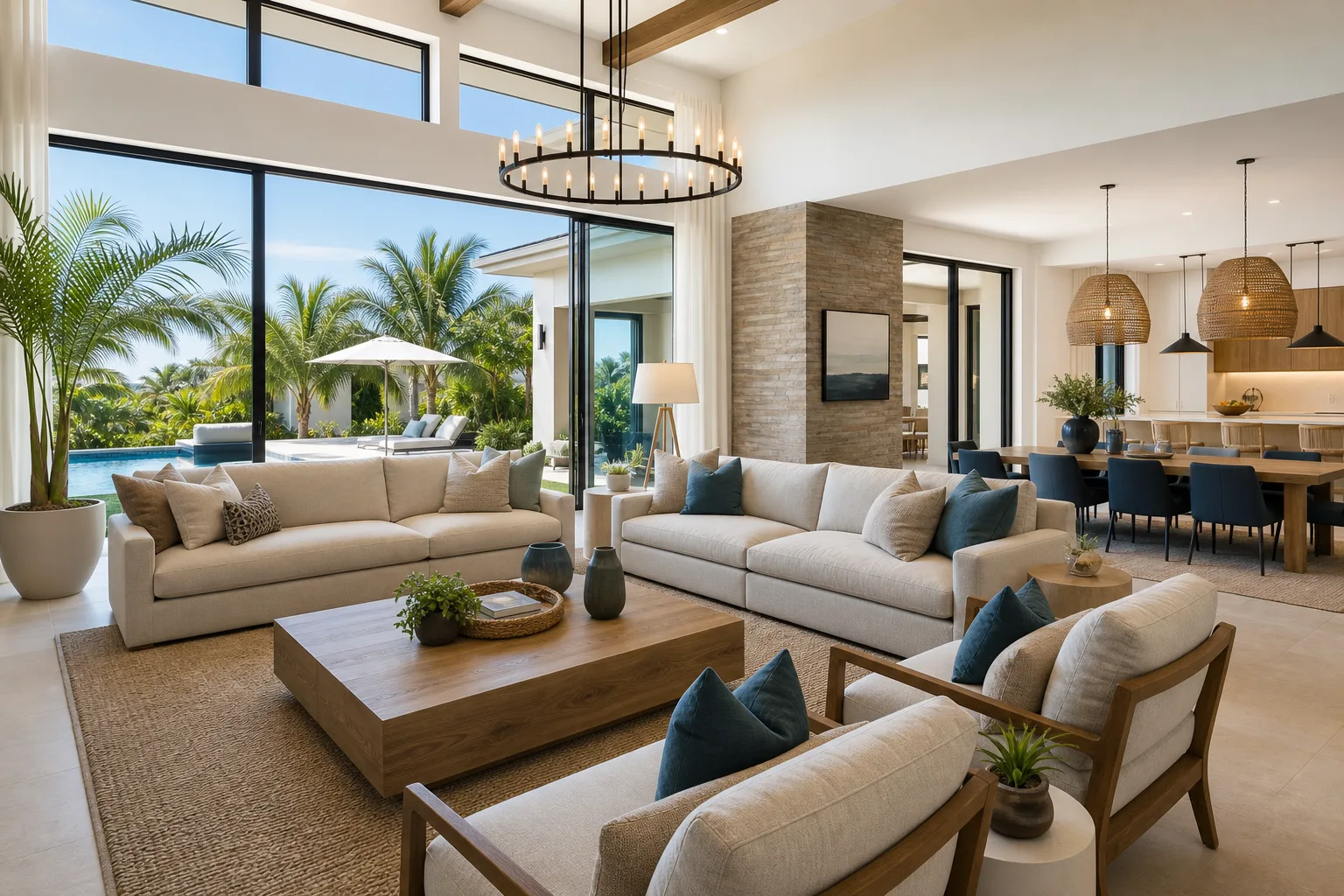
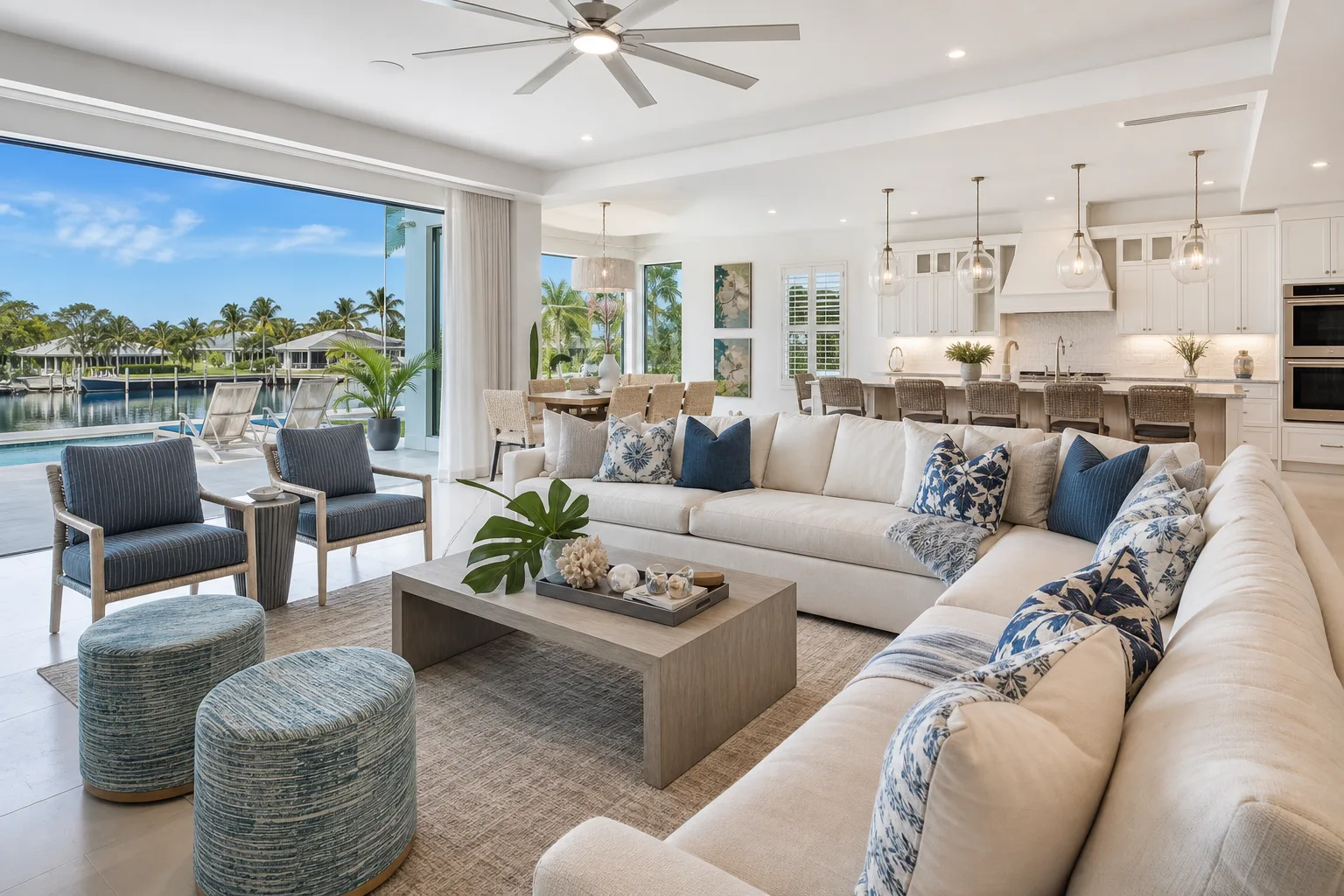
5-Bedroom vs 6-Bedroom Vacation Rental
Five beds is the crowded middle of the Disney corridor. Six beds is thinner competition but heavier ops. Here's how we help owners choose.
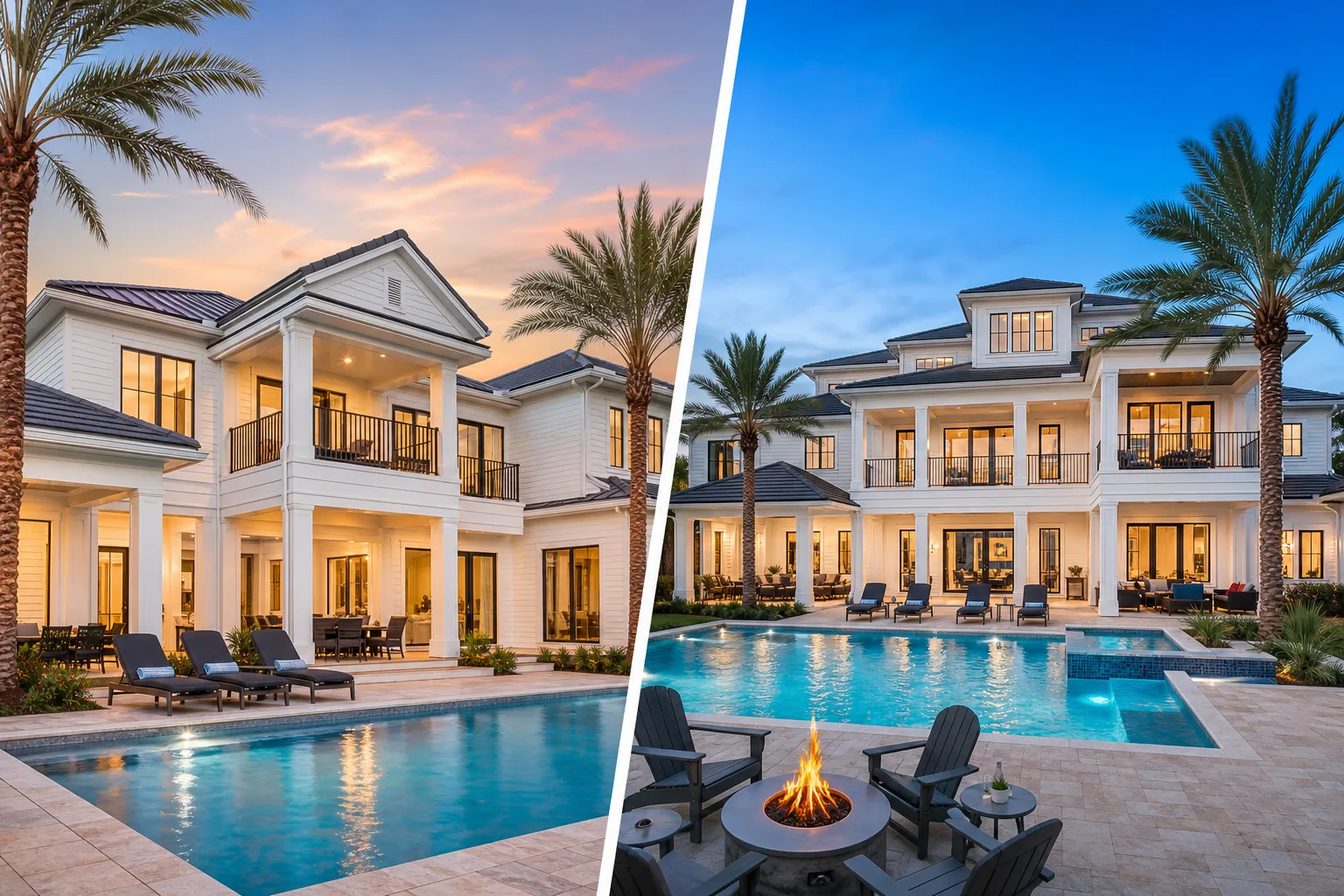
Sound familiar?
You're deciding between a 5-bedroom and a 6-bedroom in the same community. The 6-bedroom costs more to buy and carry, but there are fewer of them on Airbnb. You're not sure if that tradeoff is worth it or if you'd just be paying for a bedroom nobody books.
In short
- The 5BR vs 6BR decision is a target guest and positioning decision, not a square-footage decision. The 5BR competes in a denser bucket; the 6BR competes in a thinner one with a partially-different audience.
- 5 bedrooms hits the biggest Disney-family segment; 6 bedrooms adds small group trips on top of upsized families — if you furnish for one or the other.
- The 6BR positioning decision (upsized family vs downsized group travel) is the what matters most scope decision at this tier. Splitting the difference loses both audiences.
- A well-scoped 5BR almost always outperforms an under-scoped 6BR. Bedroom count gets you in search results; furnishing decides whether you win there.
- First-time STR investors are often better served by a strong 5BR; experienced operators can step up to a 6BR or 7BR for portfolio additions. Property fundamentals and floor plan matter more than bedroom count alone.
- Monday action: compare your listing to three comps on bunk, outdoor, and primary suite before signing a furniture PO.
Five bedrooms is the default Disney-family tier — lots of competition, lots of booking volume. Six bedrooms is a smaller pool: some listings chase bigger families, some chase small group trips with a game-room corner. The furnishing plan and the ops load change with that choice. We won't quote revenue numbers here; those are property-specific.
What to consider
The competitive peer set is denser at 5BR than at 6BR
Every major Central Florida resort community — Storey Lake, Solara, Windsor at Westside, ChampionsGate, Windsor Island, Windsor Cay — has hundreds of structurally identical 5BR floor plans competing for the same family-vacation audience. The competitive math at the 5BR tier is decided almost entirely by furnishing differentiation and listing-photo execution: same square footage, same layout, same view in many cases. A 6BR sits in a meaningfully thinner market — fewer floor plans in any given community, and the audience pool splits between “upsized 5BR family” and “downsized 8BR multi-family group.” The thinner competition at 6BR is one of the structural arguments for the tier; whether it outweighs the higher carrying cost depends on the specific property and the positioning execution.
Where 5BR wins as an STR investment
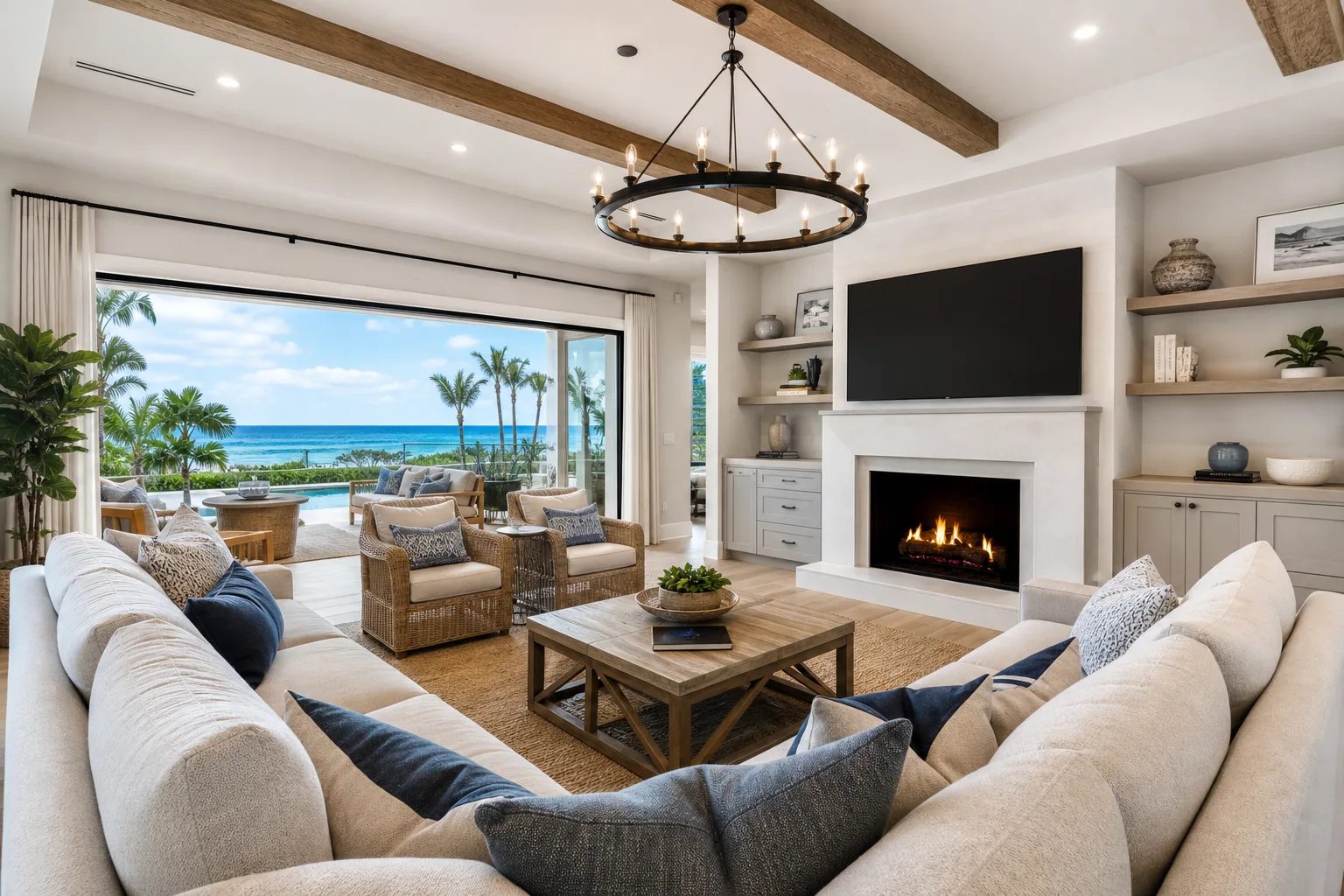
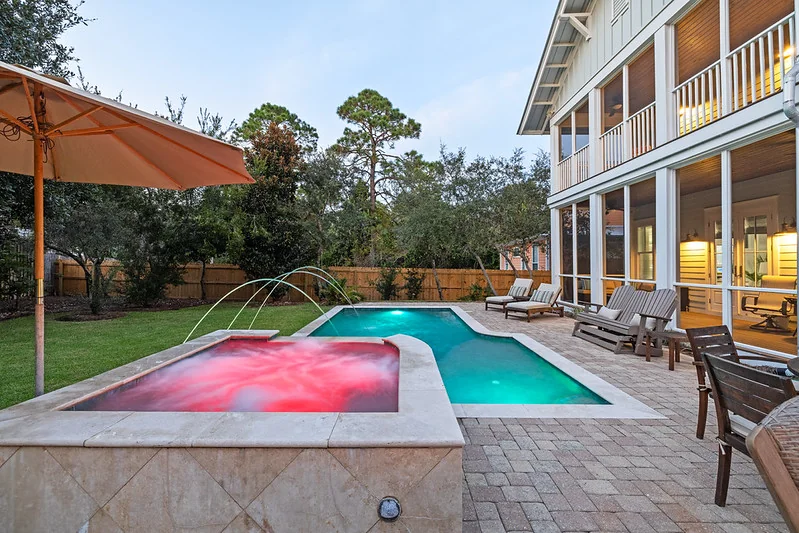
A 5BR sits at the Central Florida median where the family-Disney bucket lives. The 5BR floor plan supports a themed bunk room as the standard amenity expectation, the outdoor scope sizes cleanly to the 10–12 sleep count, and the nightly tier is well-supported by the booking volume in the family-vacation market. Furnishing scope at 5BR usually runs launch-ready package (themed bunk + clean outdoor + complete houseware) or full amenity package for the upper end. The 5BR also wins on capital efficiency — the furnishing budget and the carrying costs are lower than 6BR, and the nightly tier difference is often smaller than the bedroom-count difference suggests. For investors who want to operate in the highest booking volume with the smallest scope-risk, the 5BR is the cleanest answer.
Where 6BR wins as an STR investment
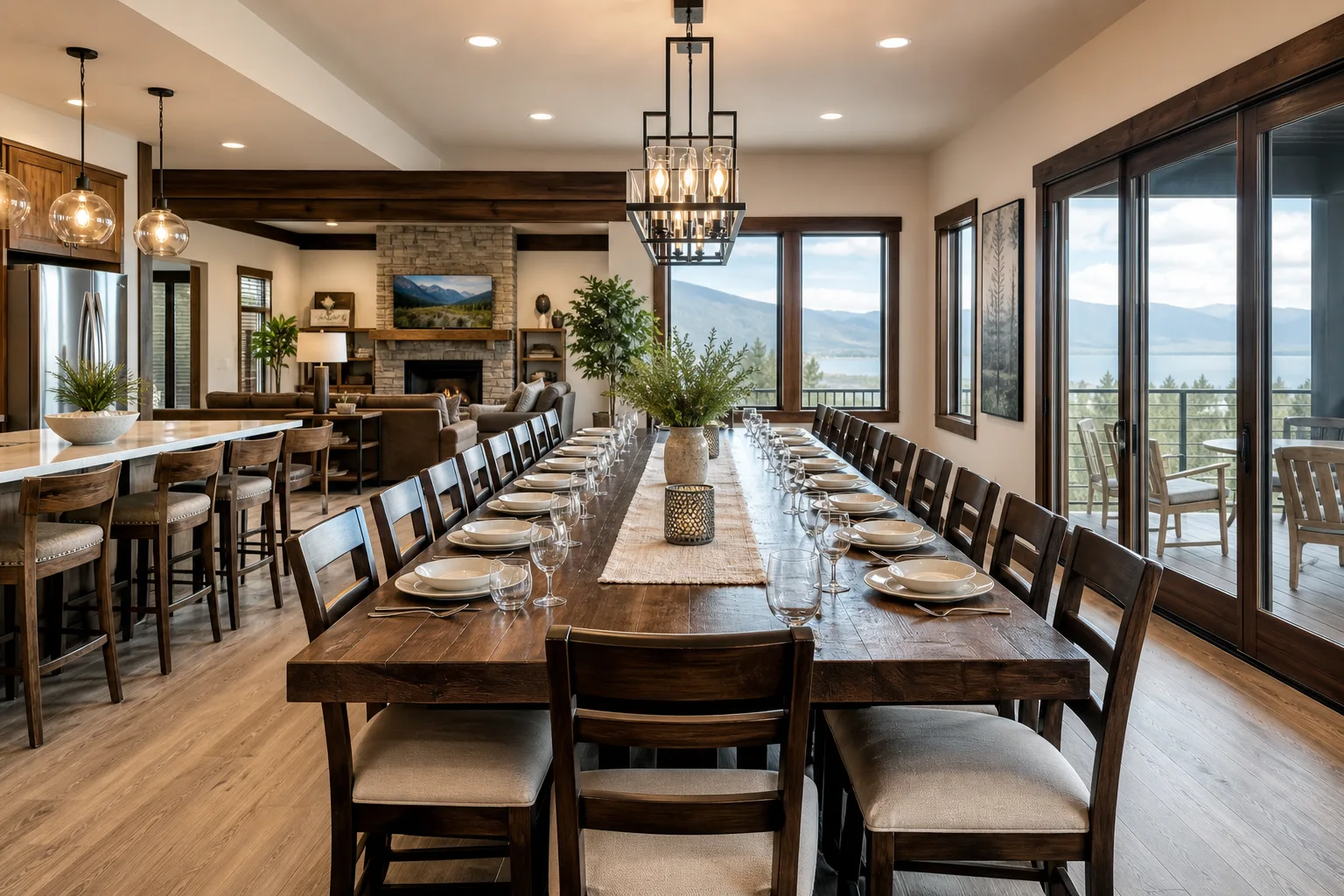
A 6BR opens up two structural advantages over a 5BR. First, the competitive peer set is thinner — fewer 6BR floor plans in any given resort community means less direct competition on identical structural property characteristics. Second, the 6BR audience pool starts to include the smaller multi-family bookings that a 5BR cannot capture cleanly — 3-couple trips, extended-family-plus-friends groups, three-family vacations where each family wants their own sleeping zone. Furnishing scope at 6BR can support either positioning (upsized 5BR family or downsized group travel), and the strongest 6BR builds commit to one of the two positions rather than splitting the difference. The 6BR’s capital-efficiency advantage is real when the property has the floor plan to support the chosen positioning and the carrying costs work out at the available nightly tier.
The positioning decision is the deciding variable at 6BR
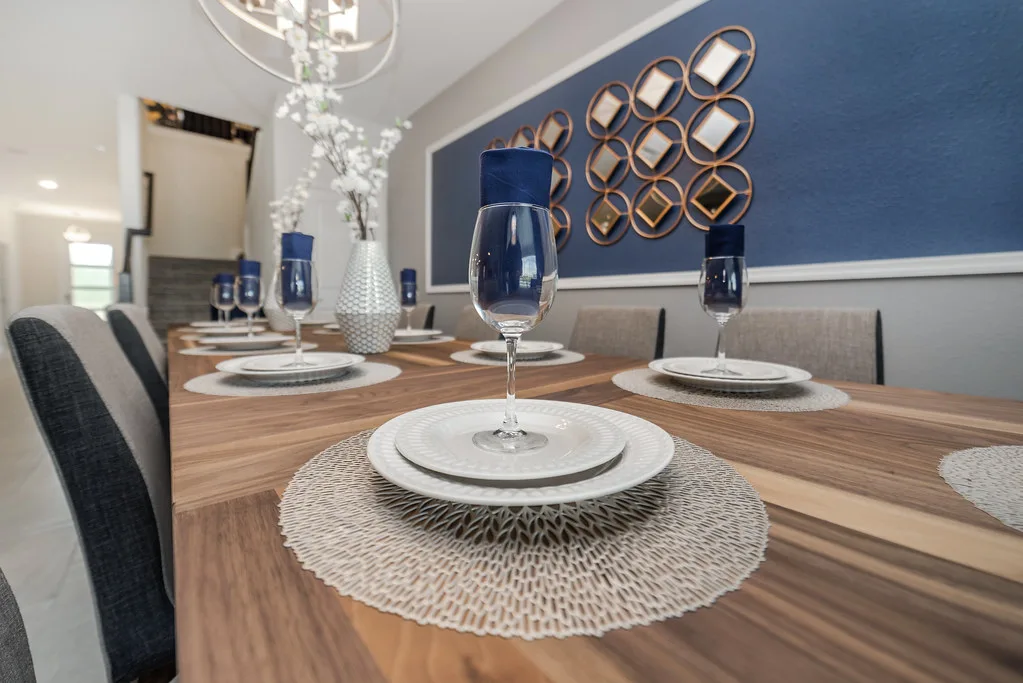
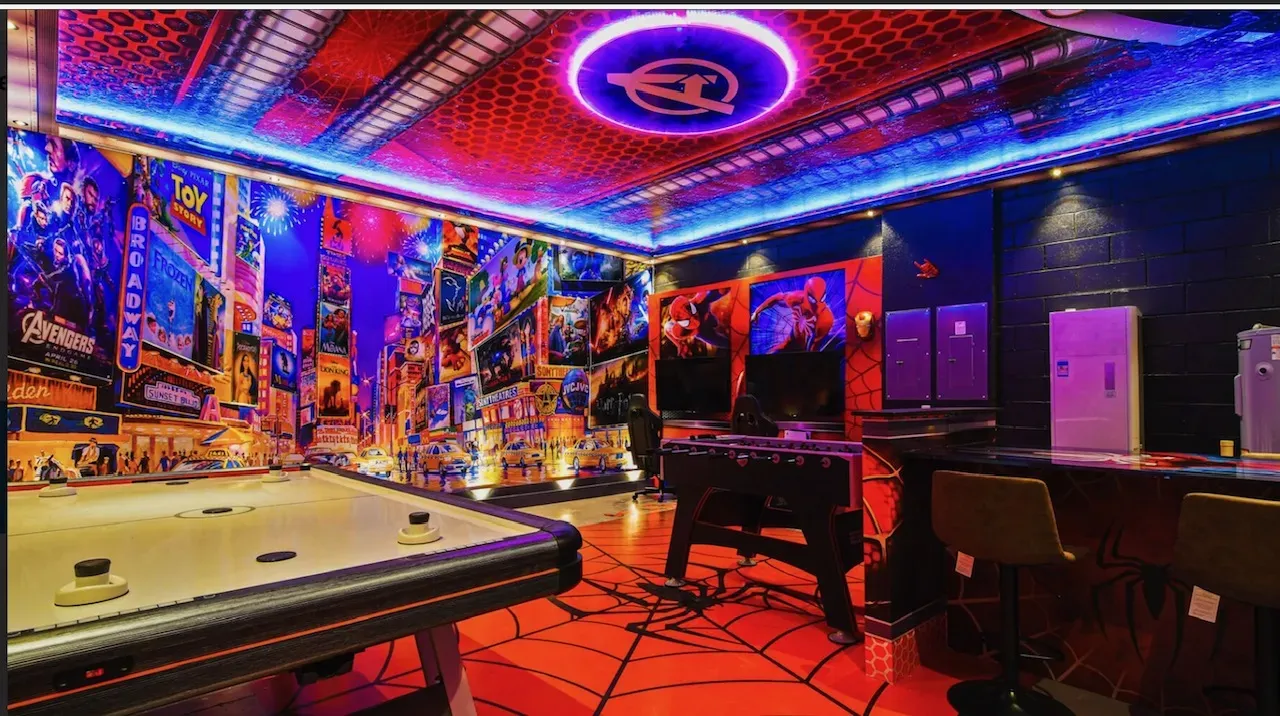
A 5BR effectively has one positioning answer in the Central Florida resort corridor — it competes for family-vacation Disney bookings with a themed-bunk-room amenity setup. A 6BR has two genuinely different positioning answers, and the furnishing scope changes meaningfully between them. The upsized-5BR-family positioning leans into family-vacation cues: a single themed bunk room, premium bedding throughout, photogenic outdoor scope, clean primary suite. The downsized-group-travel positioning leans into amenity cues: themed bunk room plus a basic game corner, expanded outdoor with bar setup, dining set for the full 14 sleep slots, secondary lounge zone. Splitting the difference between the two positions consistently underperforms both audiences. The 6BR scope conversation starts with picking the position, not with the furniture list.
Furnishing-scope shift between 5BR and 6BR
The launch-ready package at 5BR (themed bunk + complete launch furniture + clean outdoor + houseware kit) maps directly onto a launch-ready package 6BR with one extra secondary bedroom and slightly larger living/dining. That step-up is mostly linear — one more bedroom worth of furniture, slightly larger dining table and chair count, slightly larger lanai composition. The bigger scope conversation at 6BR is whether to add the full amenity package upper tier: a converted den or loft into a basic game corner, expanded outdoor with secondary lounge zone, statement lighting, premium primary suite with workspace component. That full amenity package upper scope at 6BR is what enables the downsized-group-travel positioning and opens up the small-group-travel market. The 5BR doesn’t support that scope as cleanly because the floor plan and the audience usually don’t justify the additional capital.
Operational complexity step-up is real
A 6BR is not 20% more operational work than a 5BR — it is closer to 30–40% more depending on the amenity scope and the maximum guest count. Cleaning crew scales with bedroom count and guest capacity, but the bigger drivers are the secondary living zone (most 6BR floor plans have one), the larger outdoor entertainment scope, and the additional houseware capacity sized for 14+ guests instead of 10–12. The 6BR also tips into the “harder to self-manage” operational zone for many out-of-state owners — the multi-family bookings often require platform-pricing discipline, turnover coordination at slightly larger scale, and houseware-kit verification that exceeds what a 5BR owner-operator typically handles cleanly. Most 6BR owners we work with operate through a property-management partner; first-time 5BR owners more often self-manage successfully.
Which decisions are reversible and which are not
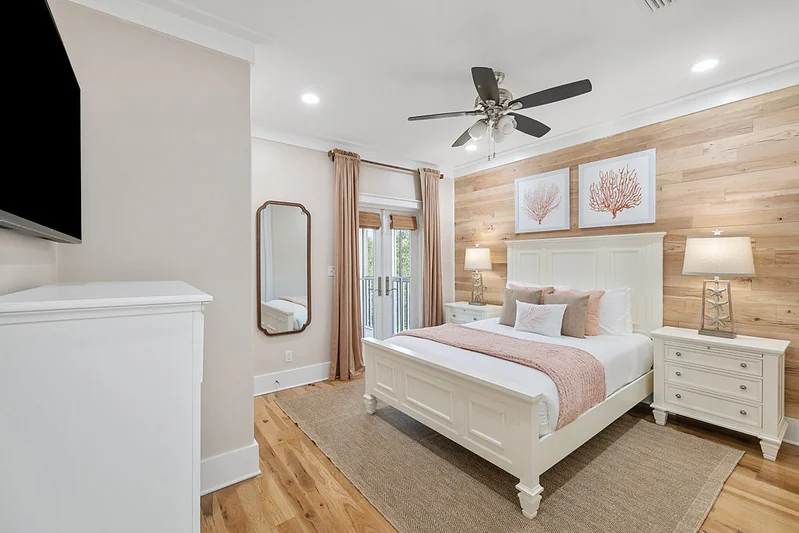
A 5BR-vs-6BR decision is mostly irreversible at the property-purchase stage: a 5BR floor plan never becomes a 6BR, and the positioning that the floor plan supports is locked in by the layout. The decisions that remain flexible after purchase are the furnishing scope (launch-ready, launch-ready package, or full amenity package), the themed-room concept, the outdoor composition, and the amenity execution depth. A correctly-furnished 5BR can outperform an under-furnished 6BR — and an under-furnished 6BR usually loses to a well-furnished 5BR in the same community, despite the larger bedroom count. The right time to evaluate the 5BR vs 6BR question is at the property-purchase stage, with the listing goal already in place. Furnishing scope adapts; the property fundamentals do not.
How we help owners decide
Still shopping? Send both floor plans. We look at who you want to book, what the neighbors are doing, whether there's a flex room for a game corner, and whether you'll self-manage or use a PM. You get a bedroom-tier recommendation plus a furnishing scope for whichever house you buy. Send floor plans as PDFs if you have them — a phone photo of a printed page works in a pinch, but a clean floor plan lets us actually measure the flex room or den space before we tell you whether a game corner fits. Most owners hear back with a bedroom-tier recommendation within a day or two.
What to do first this week
Open three same-bedroom-count comps on Airbnb or VRBO and screenshot bunk photos, outdoor dining seats, and primary suite finish. List where your home falls short — that gap list becomes your furnish scope. Torn between 5 and 6 bedrooms? Send both addresses — we'll compare furnishing scope side by side.
What we see go wrong
- Choosing 5BR vs 6BR on price-per-bedroom alone — competition density and guest type matter more.
- Buying a 6BR without committing to a positioning (upsized 5BR family vs downsized group travel) — splitting the difference produces a listing that loses both audiences.
- Assuming a 6BR is always a step up from a 5BR — a well-positioned 5BR in a resort-corridor community outperforms a stretched 6BR with weak amenity scope.
- Buying a 6-bedroom then furnishing it like a 5-bedroom — you pay 6-bedroom costs but compete for 5-bedroom guests.
- Buying a 5BR with the intent to compete in the small-group-travel market — the target guest filters on sleep count and amenity expectations the 5BR floor plan cannot support cleanly.
- Ignoring the flex-room or den layout — most 6BR floor plans have one, and it is the what matters most 6BR differentiator between an upsized-family and a downsized-group-travel positioning.
Related Community Guides
Eight Core Services
Turnkey to Themed Rooms — All Under One Roof
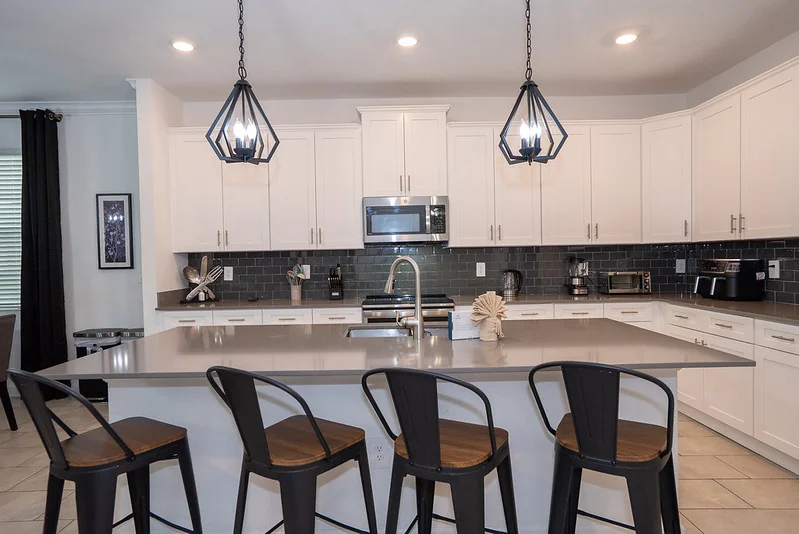
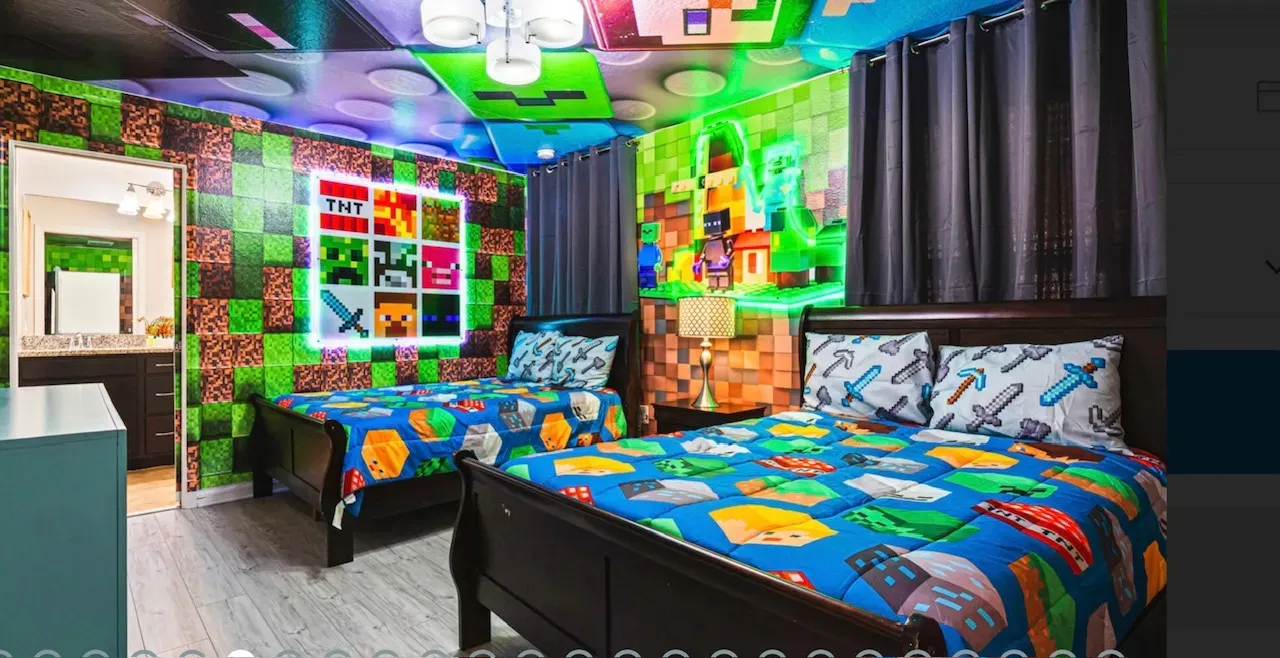
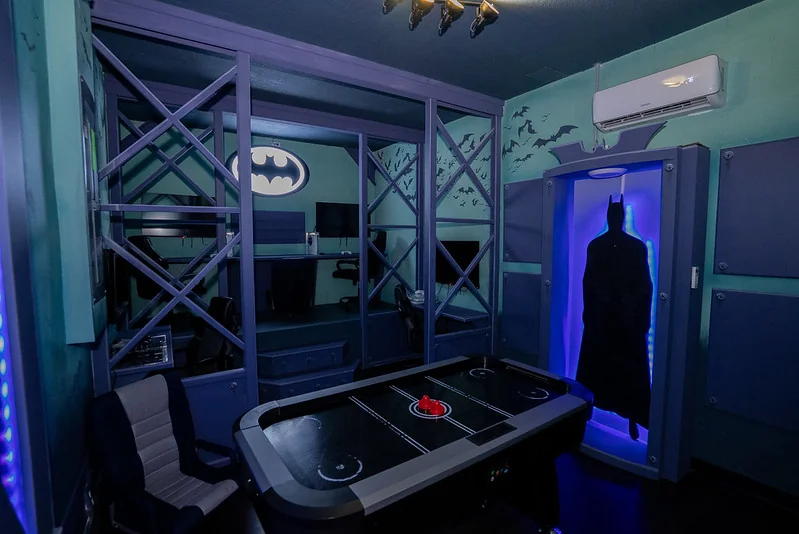
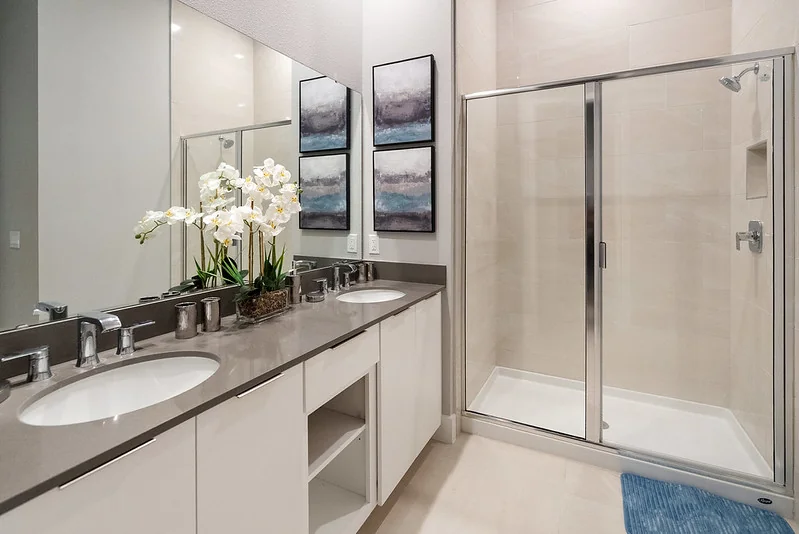
Full furniture packages, STR interior design, themed kids suites, game room conversions, property prep, custom bunks, white-glove install, and listing-ready staging — for vacation rentals and second homes across Orlando, Kissimmee, Davenport, and the full Florida STR market.
Frequently Asked Questions
Is a 5-bedroom or 6-bedroom vacation rental a better STR investment in Central Florida?
Neither universally wins. The 5BR competes in the busiest market with the largest booking volume but the most direct competition; the 6BR competes in a thinner bucket with a partially-different audience but at higher carrying costs. The right answer depends on the property fundamentals, the positioning execution, the furnishing scope, and the operational model. A well-furnished 6BR with clean positioning (either upsized family or downsized group travel) usually outperforms a 5BR in the same community; a 6BR with split or weak positioning usually underperforms the 5BR equivalent.
Does a 6BR vacation rental always produce more revenue than a 5BR?
Not in raw nightly-rate terms across all weeks, and not when occupancy patterns are factored in. 6BRs typically command stronger nightly rates in peak group-travel windows and in seasons where the multi-family audience is active. 5BRs often hold up better in shoulder-season weeks where the bigger property sits empty. Total annual booking revenue is property-specific and depends on furnishing scope, market positioning, amenity setup, and operational consistency. We do not publish revenue projections because they are not honest at the property tier.
How does the furnishing scope shift between a 5BR and a 6BR?
The launch-ready package is similar at both tiers — themed bunk, full launch furniture, clean outdoor, complete houseware kit, slightly larger sizing at 6BR. The bigger shift is the full amenity package upper tier at 6BR: a converted den or loft into a basic game corner, expanded outdoor with secondary lounge zone, statement lighting, premium primary suite with workspace. That scope is uncommon at 5BR because the floor plan and the audience usually don’t justify the additional capital. Final pricing depends on the property, the package scope, the finish depth, the timeline, and the install logistics — confirmed through a scoped proposal.
Is a 6BR with weak amenity scope worse than a 5BR with strong amenity scope?
Almost always, yes. A 6-bedroom with no themed bunk, no game corner, and cheap outdoor loses to a well-furnished 5-bedroom next door — extra bedroom or not. Bedroom count gets you into search; scope decides if you win.
Should I start with a 5BR and scale to a 6BR for my second property?
For most first-time STR investors, yes — the 5BR runs on a tighter operational model and the furnishing-scope decisions are smaller and lower-risk. Investors who have already operated a 5BR or 6BR can often go straight to a 7BR or 8BR for the next property. The decision depends on the operational appetite, the available capital, and the market positioning goal. The 5BR is rarely a wrong first-property choice in the Central Florida resort corridor; the 6BR is rarely a clean first-property choice for out-of-state owners managing remotely.
Does the resort community matter more than the bedroom count?
In Central Florida, often yes. A 5BR inside a strong resort-corridor community (Storey Lake, ChampionsGate, Solara, Windsor cluster) competes in a much stronger market than a 6BR in a non-resort residential neighborhood. The community amenity setup (resort pool, water park, themed common areas, fitness facilities), the location proximity to Disney and Universal, and the established booking-platform reputation of the community all shape the listing performance. Our resort-community guides walk through the specific market positioning at each community.
What should I do first?
Pull three in-community comps with your bedroom count, note bunk, outdoor, and primary suite in the hero photos, then send your floor plan. We match package tier to that comp set before you order furniture.
How much more does furnishing a 6BR cost compared to a 5BR in real dollars?
The launch-ready step-up is mostly incremental — one more bedroom of furniture, a slightly larger dining set, a bigger outdoor package — so a launch-ready 6BR typically lands 10–20% above an equivalent launch-ready 5BR. The bigger jump comes if you add the full amenity package upper tier (game corner, expanded outdoor, statement lighting) to support downsized-group-travel positioning; that scope decision, not the extra bedroom itself, drives most of the cost gap between the two tiers.