Furnishing this page

Since 2001
Orlando, FL
FP

Financing available for qualifying projects · Flexible payment structures for investors & owners · Ask your FPUSA rep about partner lending options · Fast decisions • transparent terms • dedicated support

Now offering
Decision Framework

Furniture Package vs Interior Designer.

A side-by-side decision framework for vacation rental owners weighing a turnkey furniture package against a traditional interior designer engagement. Scope, cost transparency, owner decision load, and STR-specific considerations.

A turnkey furniture package and a traditional interior designer engagement look similar on the surface — both end with a furnished property. The structure of the engagement, the spec of the furniture, the visibility of the cost, the owner’s decision load, and the fit for vacation rental work are meaningfully different.

This page is the decision framework: when each model fits, when each one creates friction, and where the STR-specific work matters. For the companion comparison on whether to run a furnishing project yourself, see our turnkey package vs DIY furnishing page. For a broader look at why vacation rental owners need execution — not just design concepts — see vacation rental furniture packages vs interior design services.

Note: FPUSA bundles interior design into every furniture package. The comparison below is between a packaged engagement (design + procurement + housewares + install in one scope) and a traditional standalone designer engagement (design service only, with procurement and install handled separately). It is not a comparison against interior design as a discipline.

The Comparison Matrix

Ten factors that decide which model fits a specific project, ordered roughly by how often each one shifts the answer in real consultations.

Factor Turnkey Furniture Package Traditional Interior Designer
Engagement model Single-scope furnishing package — design + procurement + housewares + install bundled, scoped against your property and launch date Hourly, day-rate, or percentage-of-spend engagement focused on design selection; procurement and install are usually separate vendors
STR-specific spec STR-grade upholstery, performance fabrics, scaled houseware kits, durability planned against turnover usage cycles Most traditional designers source residential-grade furniture from retail; STR-spec is usually a learned-on-the-job add-on
How cost shows up Line-item proposal — design, furniture, housewares, install, photography prep visible up front Designer fee (hourly or %) plus owner-purchased furniture plus separate procurement vendor plus separate install crew
Owner decision load Decision-light — owner reviews and approves at milestones; sourcing decisions are made inside the scope tier Decision-heavy — designers present options for owner selection through the project, which compresses or extends timeline
Timeline accountability Single accountability owner; launch date back-calculated from contract Designer is accountable for selection; furniture-vendor lead times and install scheduling are not always under their control
Houseware kit Included as a scoped line item, sized to actual guest capacity Usually not in scope — owner buys housewares separately or adds an extra engagement scope
Photography prep Coordinated as a planned phase after install Owner-managed or styled at additional fee; photo-readiness depends on owner timeline
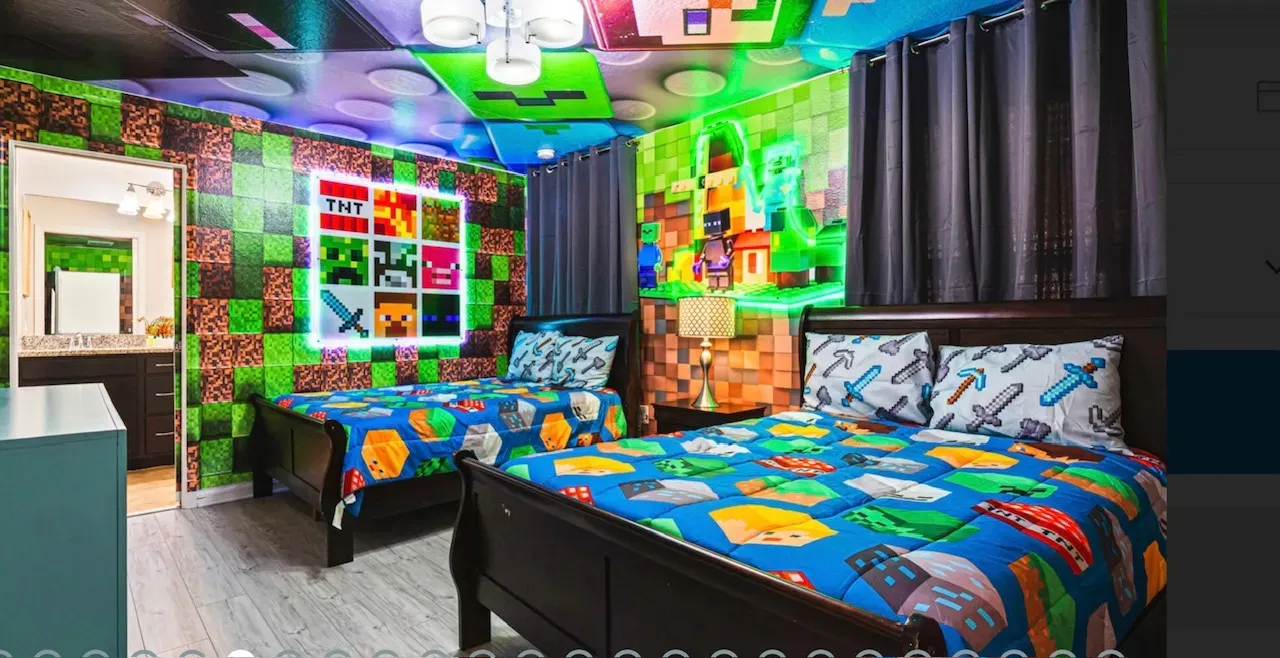
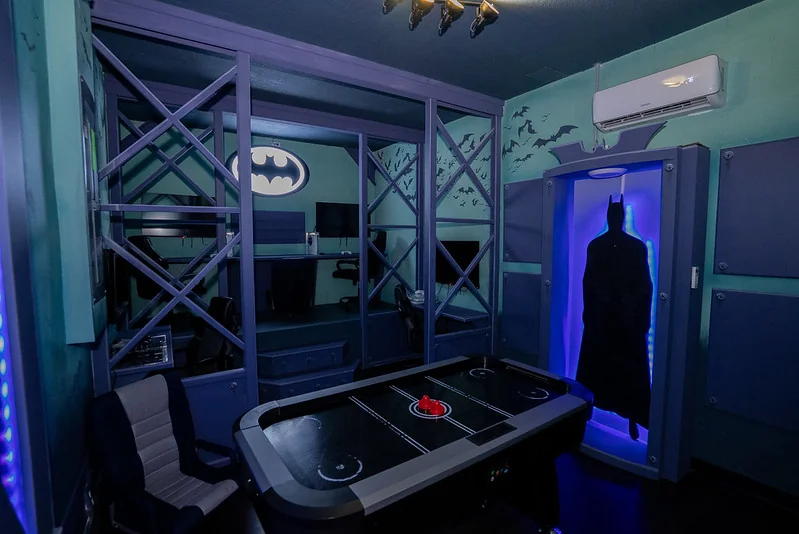
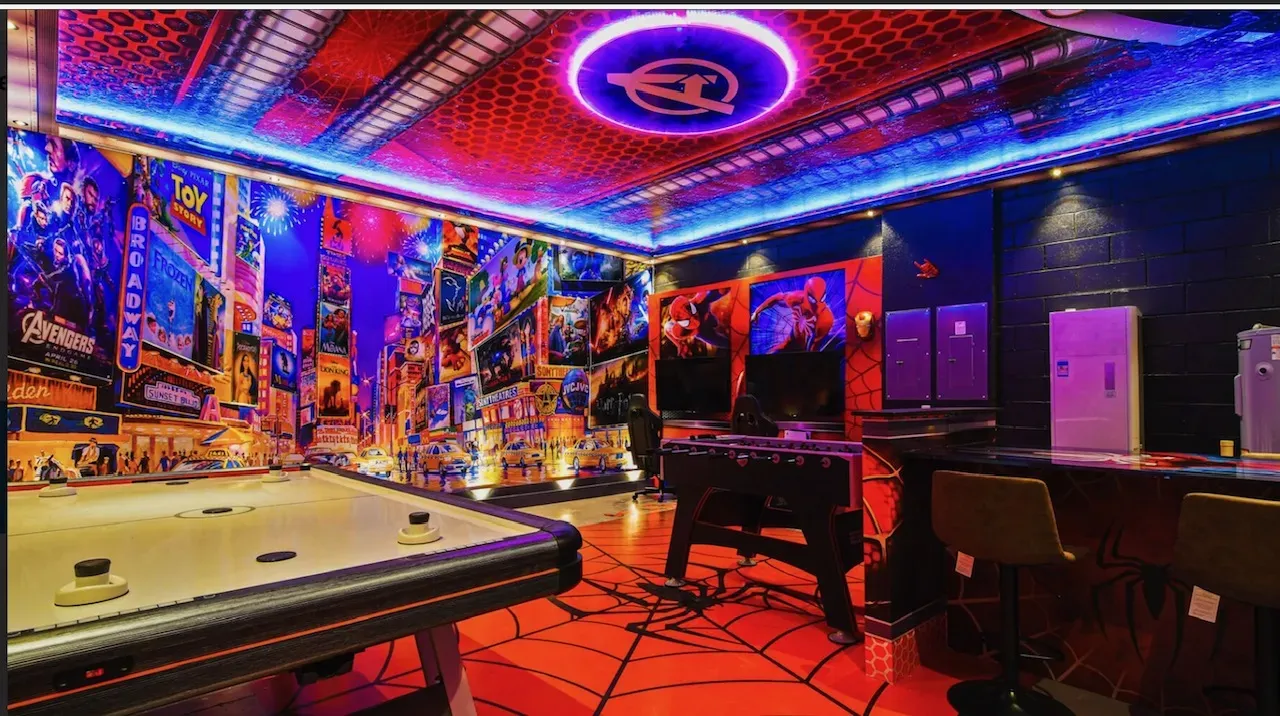
Custom themed scope Themed bunk fabrication, game-room scope, theater room build coordinated as part of the package Designer can specify the look; build and fabrication still routes to separate contractors
Out-of-state owners Fully developed remote process — design, procurement, install scheduling without owner presence Workable with strong remote-collaboration tooling; usually still requires owner travel for key approvals
Best-fit project type Vacation rentals, Airbnb / VRBO launches, STR portfolio scaling, out-of-state owners, time-pressured launches Primary residences with custom design vision, owner-occupied homes, projects where one-of-a-kind selection is the goal

When a Designer Engagement Fits

We do not think designers are the wrong call for every project. Here are the situations where the model fits well.

You are furnishing your primary residence (not an STR)

A traditional interior designer is built around custom selection for the owner who lives in the property. The design conversation centers the owner’s taste, not the listing’s search performance. That is the right shape for a primary residence.

You have a custom design vision and the time to make hundreds of selection decisions

Designers will source one-of-a-kind pieces, walk through fabric swatches, present custom millwork options, and iterate on selection. That selection process is the value — and the time investment.

You already have an established relationship and STR-spec experience

A designer who has done a half-dozen vacation rentals in your market and has a tested vendor list for STR-grade pieces is a real option. The risk is the designer who has done one residential project and assumes STR work is the same shape.

When a Package Is the Clear Call

The situations where a packaged engagement consistently fits better than a standalone designer engagement.

The property is a vacation rental, Airbnb, or VRBO listing

STR furnishing is its own competency — durability tuned to turnover cycles, houseware kits sized to actual guest capacity, photo-readiness as a design constraint, amenity-filter logic built into the spec. A package built around STR work bakes those decisions in.

You need the property to be live on a target date

Coordinated procurement and install timelines back-calculate from the launch date. A designer-led project typically depends on the slowest of design selection, vendor lead time, install scheduling, and houseware sourcing — any of which can slip the launch.

You are out of state

A turnkey package with a developed remote workflow handles the project without owner presence. A traditional designer engagement usually still depends on key in-person decision moments.

You are scaling a multi-property STR portfolio

Repeatable scope, repeatable timeline, repeatable spec. The economics of building three or six properties on a designer-by-designer basis usually do not work; a packaged scope does.

You want the cost visible up front in a line-item proposal

Package proposals expose line items — design, furniture, housewares, install, photography prep. Designer engagements expose a fee structure; the final spend depends on what the owner ultimately selects, which is often visible only at the end.

What the Designer Cost Stack Actually Looks Like

A designer-led furnishing project is not a single number. It is a stack of separately-quoted scopes, each with its own visibility and timing. Here are the cost lines a traditional engagement typically produces — line items that a packaged engagement bundles into a single proposal.

  • Designer fee — hourly, day-rate, or 10–20% of procurement spend depending on the model. Quoted up front.
  • Furniture cost — depends on what the owner ultimately selects from the designer’s presented options. Not visible up front.
  • Procurement coordination — sometimes inside the designer’s scope, sometimes a separate vendor with a separate fee.
  • Install labor — typically a separate trade contracted by the owner or the designer’s vendor.
  • Housewares — usually not in scope. Bought by the owner, often after the design phase ends.
  • Photography prep / staging — usually an additional fee or owner-managed.

None of these line items is hidden in a competent designer engagement — they are normal. The difference between the two engagement models is whether the cost is visible as a single bundled proposal up front (package) or assembled across separate scopes through the project (designer-led).

The STR-Specific Considerations

A primary-residence interior design project optimizes for different things than a vacation rental furnishing project. Five places where the work actually diverges.

Photo-driven booking behavior

STR furnishing is selected for how it photographs in the listing carousel — hero-photo composition, color contrast, scale to room. Residential designers select for how it lives day-to-day, which is a different optimization.

Turnover durability

A residential sofa sees three to five seats per day; an STR sofa sees twenty to forty during weekend booking turnover. Performance fabric, replaceable hardware, and STR-grade frame construction matter in a way they do not for primary residences.

Amenity-filter logic

Airbnb and VRBO search filters reward specific amenity checks — themed kid spaces, game rooms, outdoor entertaining capacity. Furniture selection is partly listing-search optimization, not just aesthetic.

Houseware completeness

A primary residence does not need a 16-place setting, three coffee makers, and large-format cookware. An 8BR STR sleeping 20 does. Houseware planning is its own scope; most traditional designer engagements do not include it.

Review-driven repeat-booking

STR repeat-booking depends on guest reviews, which depend on bedding quality, missing-item rate, and durability. These are operational outcomes of the furnishing decision, not the design outcome the residential model optimizes for.

A Note on Hybrid Engagements

On larger projects — luxury estate, mega-rental, custom multi-themed builds — owners sometimes engage a designer for an additional layer of custom selection on top of a package scope. We can coordinate with an owner’s outside designer when the project shape requires it.

What we have learned across hundreds of STR projects: the bundled design inside a furniture package covers the work at standard scope tiers (Launch-Ready, Performance STR, most Amenitized Resort scopes). The case for a separate designer overlay grows at Luxury Estate and Mega-Rental tiers where custom selection becomes the differentiator.

We will tell you honestly during the consultation whether your project shape calls for a hybrid engagement or whether a packaged scope covers it cleanly.

Frequently Asked Questions

Is hiring an interior designer always more expensive than a furniture package?

Not in every case — but the comparison is harder than it looks because the line items are different. A designer fee is visible up front; the procurement total is not. A furniture package quotes design, furniture, housewares, and install together. In a like-for-like STR project (same scope tier, same houseware completeness, same photography prep), packages usually come in cleaner on total cost. Read the full operational comparison in the linked turnkey vs DIY decision framework.

Can a residential interior designer do good vacation rental work?

Some can — particularly designers who have done multiple STR projects in the same market and have built an STR-grade vendor list. The risk is the designer who has done dozens of beautiful primary-residence projects and assumes STR furnishing is the same shape. STR-spec considerations (turnover durability, houseware completeness, amenity-filter logic, photo-driven selection) are learned through STR work specifically, not residential work.

Does FPUSA include interior design in its furniture packages?

Yes — design direction is bundled into every furniture package, scoped against the listing-positioning goal and the property’s market. We are not selling raw furniture; we are selling a designed, STR-spec’d, photo-ready furnishing scope with the design work already inside. Owners who want very heavy custom selection control can engage with the design phase more deeply; owners who want decision-light scope can defer to our standard direction.

When would I want both — a designer and a furniture package?

Occasionally. The most common version is a luxury-tier STR (10BR+, custom themed builds, multi-zone game rooms) where the owner wants additional custom design overlay on top of a package scope. We can coordinate with an owner’s separate designer when the project shape requires it — but at most STR scopes, the bundled design in a package covers the work.

How do scope tiers map between a package and a designer engagement?

Package scope tiers are explicit — Launch-Ready, Performance STR, Amenitized Resort, Luxury Estate, Mega-Rental / Specialty. Designer engagements do not usually have a scope-tier vocabulary; the spend lands wherever the owner’s selections take it. That difference makes packages easier to plan against and easier to scope a proposal for.

I am furnishing a vacation home that I will also stay in. Which model fits?

It depends on the split. If the property is primarily an STR with occasional owner stays, the package model fits — STR-spec is the right scope and the design will photograph for the listing. If the property is primarily an owner-occupied second home with light STR use, a traditional designer engagement may be the better shape, particularly if custom selection is the goal. We will tell you honestly in the consultation which side of that line your project sits on.

Ready for a Scoped Proposal?

Share your property address, target launch date, and scope-tier direction — we’ll respond with a line-by-line proposal that bundles design, furniture, housewares, install, and photography prep in one engagement.