Why Tampa's Convention Center and Medical Corridor Are Creating...
Your Harbour Island unit books through March Madness then sits half-empty all summer. Corporate travelers filter for workspace and hotel-grade sleep — furnish for both and fill the calendar gaps.
Sound familiar?
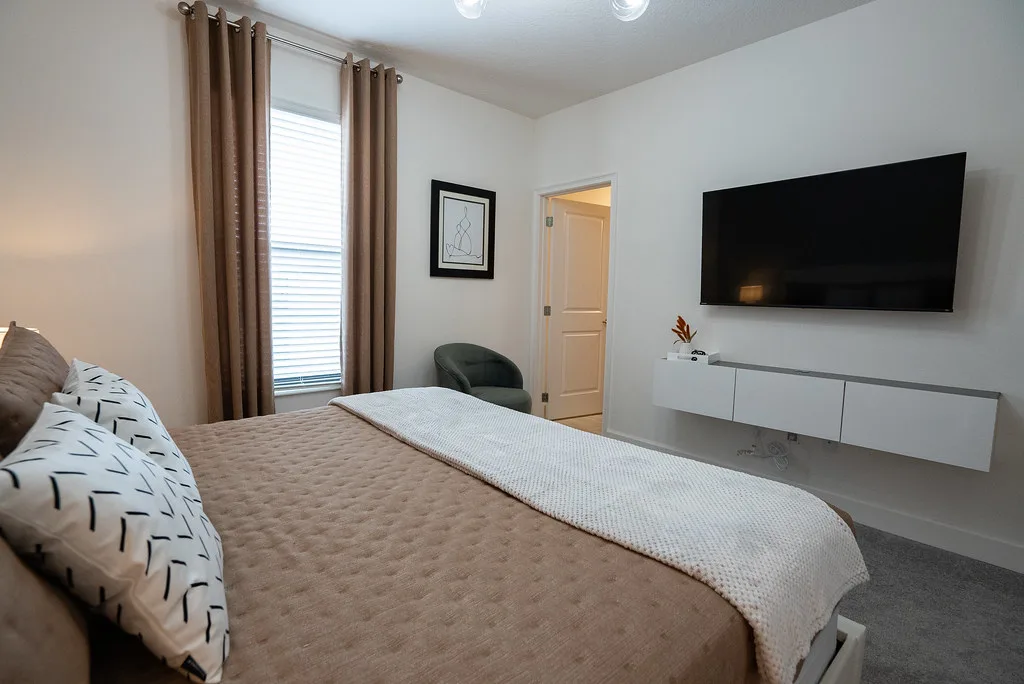
Your Harbour Island unit books through March Madness then sits half-empty all summer. Convention and hospital travelers filter for a real desk — your vacation-rental setup doesn't show up in their search. Meanwhile a two-bedroom in the same building with a dedicated desk and blackout curtains keeps landing 30- and 60-day corporate stints from Tampa General and the Convention Center circuit straight through the slow season.
In short
- Tampa Convention Center alone drives over 326,000 visitor days in 2026—most of those need housing beyond the hotel block
- Corporate demand runs year-round, filling the gaps that leisure seasonality leaves
- Workspace + kitchen depth are the two features that most differentiate corporate-capable listings
- Dual-purpose properties capture the full calendar rather than just peak windows
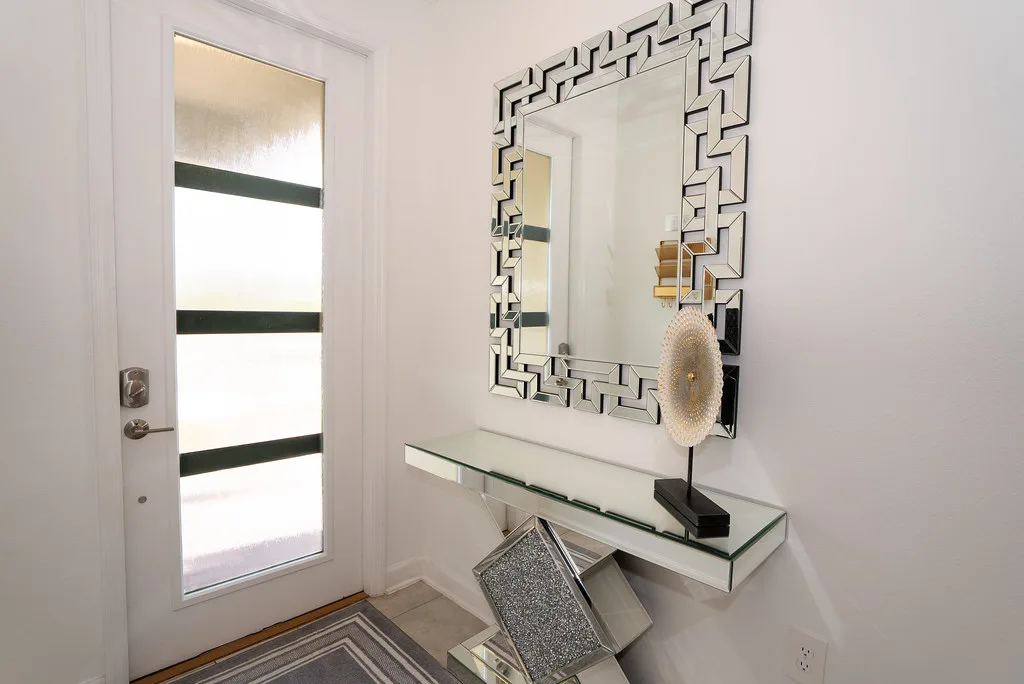
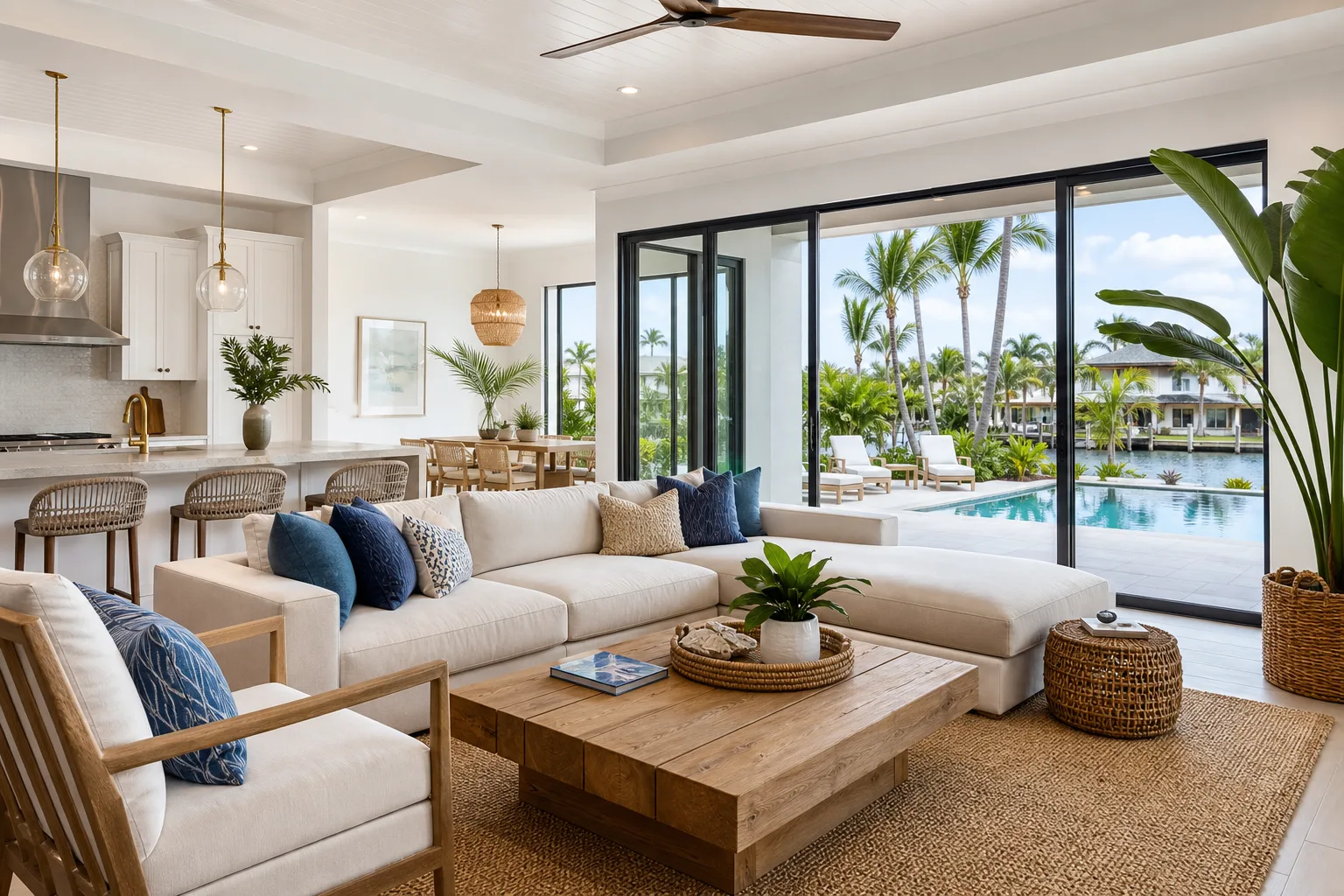
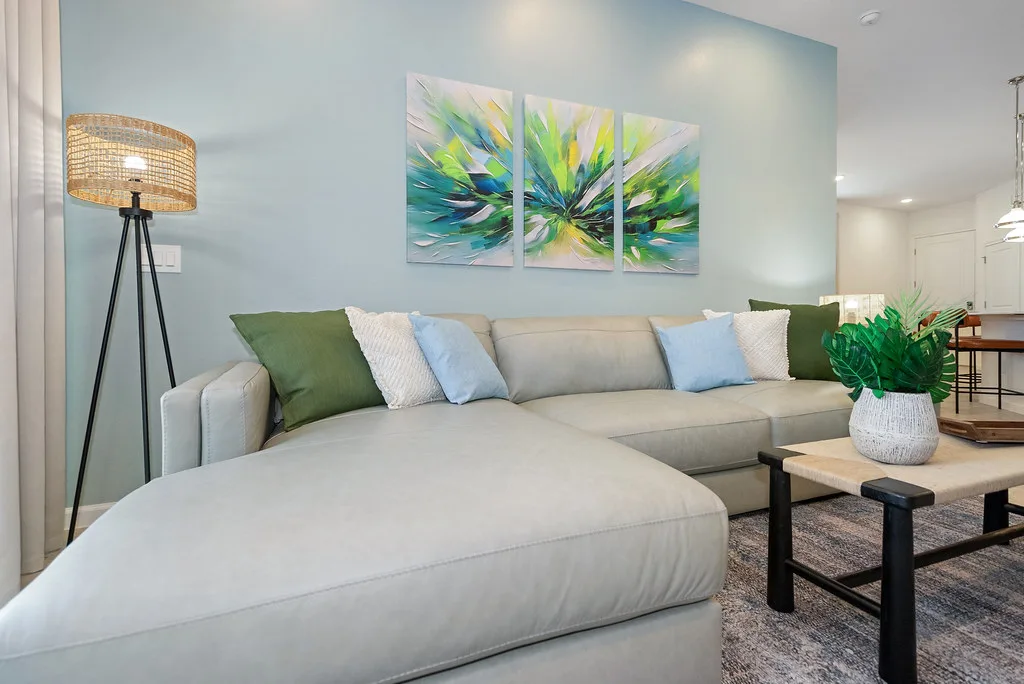
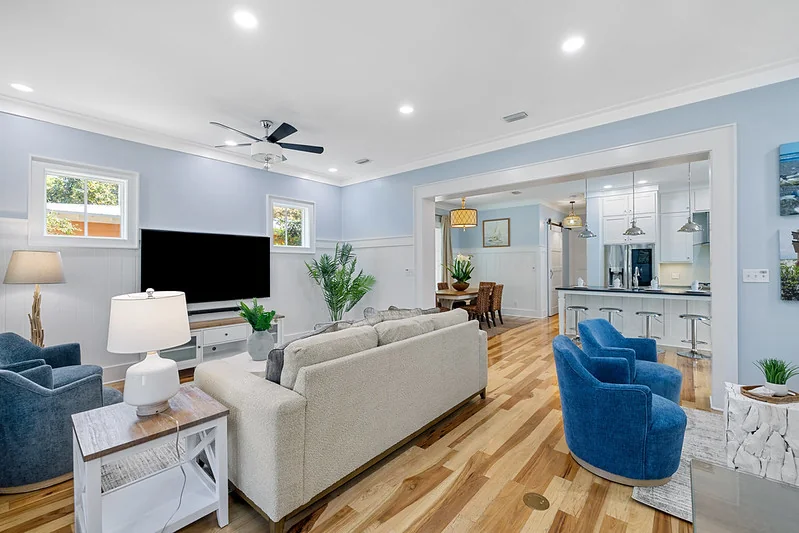
Corporate guests on four-week assignments compare your condo to a downtown hotel. They need workspace, blackout sleep, and a kitchen that works for real cooking — not themed décor. Furnish for both leisure and business and you fill the calendar gaps peak-only STR owners miss.
What to know
What corporate and professional guests need that leisure guests do not
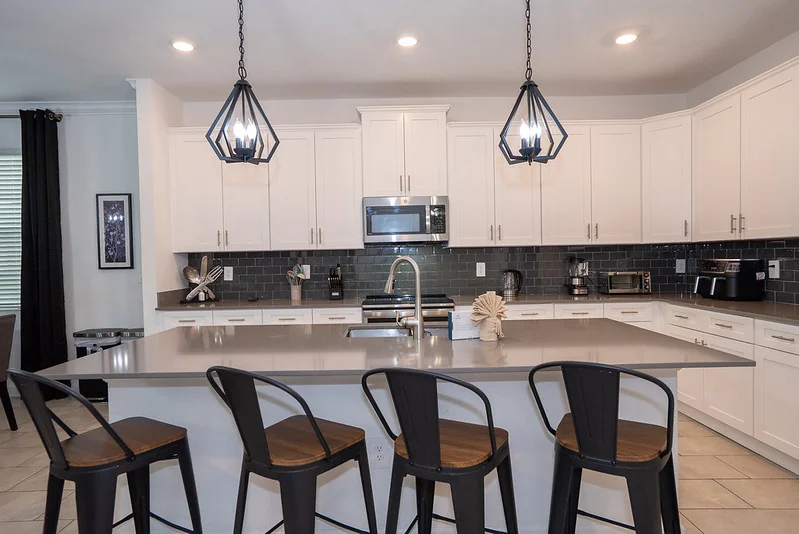
A dedicated workspace: a real desk with room to open a laptop, connect a monitor, and work without sitting in bed. Verified, fast internet—this gets documented in listing descriptions and tested in reviews. A polished, professional aesthetic that does not read as a vacation party space. A fully functional kitchen for two- to four-week stays where self-catering is preferred. Quality mattresses and blackout curtains for guests on different time zones or hospital shift schedules. Adequate storage for a month of unpacking.
The seasonality hedge
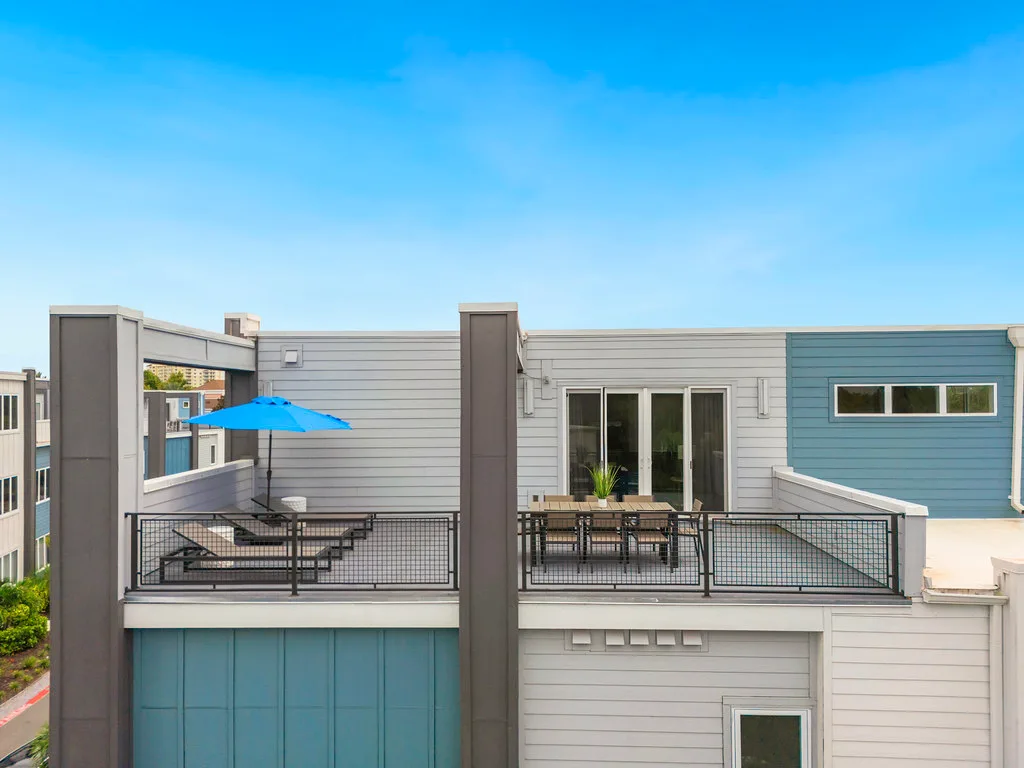
Tampa's peak leisure window runs roughly January through April, with secondary spikes around major sports and events. Corporate travel to the Convention Center, hospital systems, and business district runs year-round. A versatile, high-quality setup that appeals to both guest types allows active pricing strategy across 12 months rather than 4. A Harbour Island 2-bedroom positioned for both markets can realistically fill 6–8 corporate stints of two to six weeks each across the May–December off-season, layered on top of the January–April leisure calendar — the combination is what turns a seasonal STR into a genuine year-round asset instead of one that sits half-empty for eight months.
Corporate-ready furnishing elements
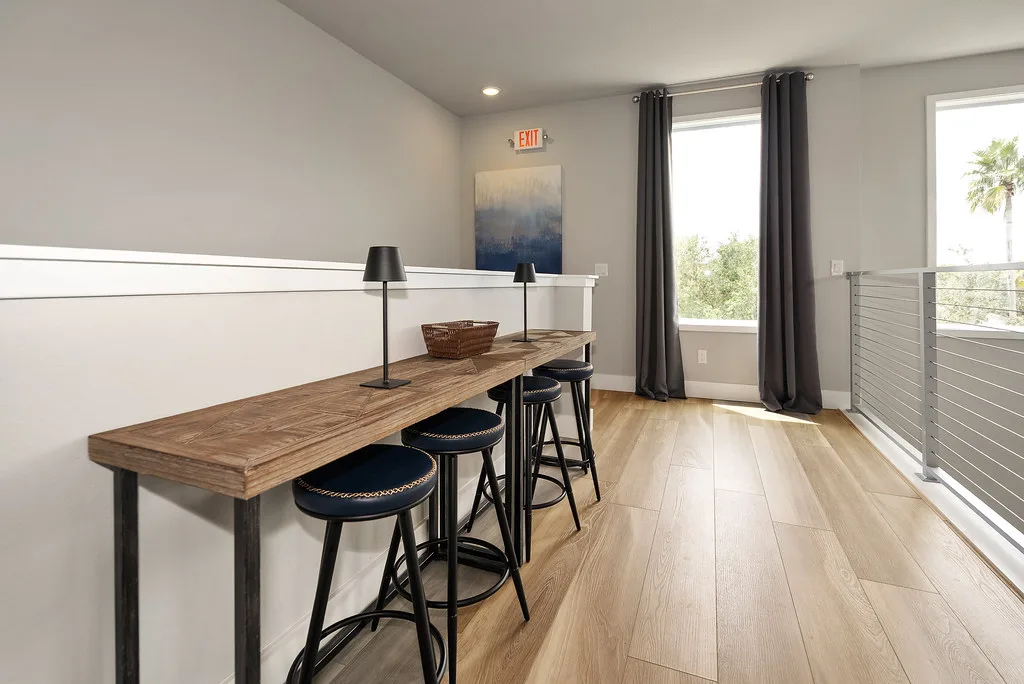
A proper desk and ergonomic chair in at least the primary bedroom. Neutral, professional color palettes that read polished rather than playful—guests expensing corporate stays sometimes disqualify listings on aesthetics. Quality dresser storage and closet organization for extended stays. Kitchen depth for real cooking: spice basics, good pots, a blender, and counter appliances. Hotel-grade mattresses and bedding. Blackout curtains in every bedroom. Budget roughly $800–$1,500 for a proper workspace setup — desk, ergonomic chair, monitor arm or riser, and task lighting — since this is the single line item that most often gets skipped entirely in a listing furnished purely for leisure guests, and its absence is the fastest way to filter out of an extended-stay search.
Tampa neighborhoods with the strongest year-round corporate demand
Harbour Island and Water Street: walking distance to the Convention Center, Amalie Arena, and the downtown office corridor—the primary corporate short-stay hub. South Tampa / Hyde Park: popular for extended-stay professionals and relocating executives who want residential character over a hotel corridor. Davis Islands: close to Tampa General Hospital and the medical campus; strong demand from traveling healthcare professionals and medical recruiters.
How to market the dual-purpose property
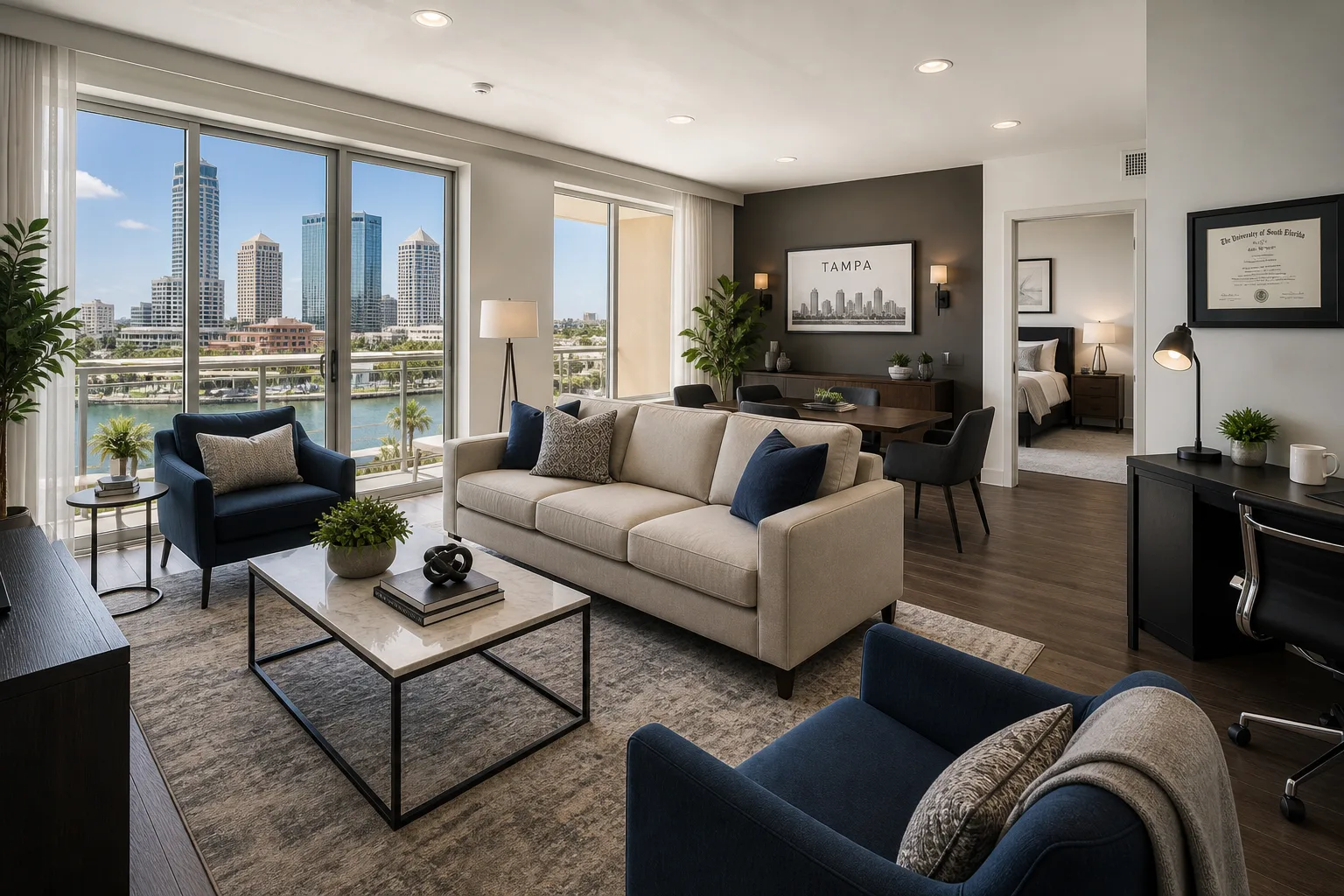
Show the workspace in listing photos—it is a booking driver for corporate guests. Document internet speed with a verified screenshot. Distinguish the aesthetic from "themed vacation rental" in listing copy. Offer 30-day-plus pricing tiers where platforms allow. Mention proximity to the Convention Center, Tampa General, and downtown business addresses explicitly. Consider running two slightly different photo sets or listing descriptions if your platform allows it — one that leads with the workspace and internet speed for a corporate search, and one that leads with the neighborhood and outdoor space for a leisure search — since the two audiences are scanning for different keywords in the first three photos.
How to price a corporate stay booking in Tampa
Corporate and extended-stay guests typically expect a discount off your standard nightly rate in exchange for the longer, lower-turnover commitment — a common structure is 20–30% off the equivalent nightly total for stays of three weeks or longer. Require a signed rental agreement separate from the standard OTA booking flow for anything over 30 days, since Airbnb and VRBO both cap or restrict extended-stay terms on their platforms, and a direct agreement protects you if a hospital rotation or convention assignment gets extended or cut short. Build in a mid-stay cleaning and linen refresh at the two-week mark for bookings over four weeks — corporate guests won't ask for it, but a fresh set of towels and bedding at that point is one of the small details that shows up in the private feedback relocation coordinators and hospital housing offices pass back to owners they rebook.
What to do first this week
Open three same-bedroom-count comps on Airbnb or VRBO and screenshot bunk photos, outdoor dining seats, and primary suite finish. List where your home falls short — that gap list becomes your furnish scope. Send your floor plan for a scoped proposal.
What we see go wrong
- No real desk in a listing marketed to remote workers or traveling professionals
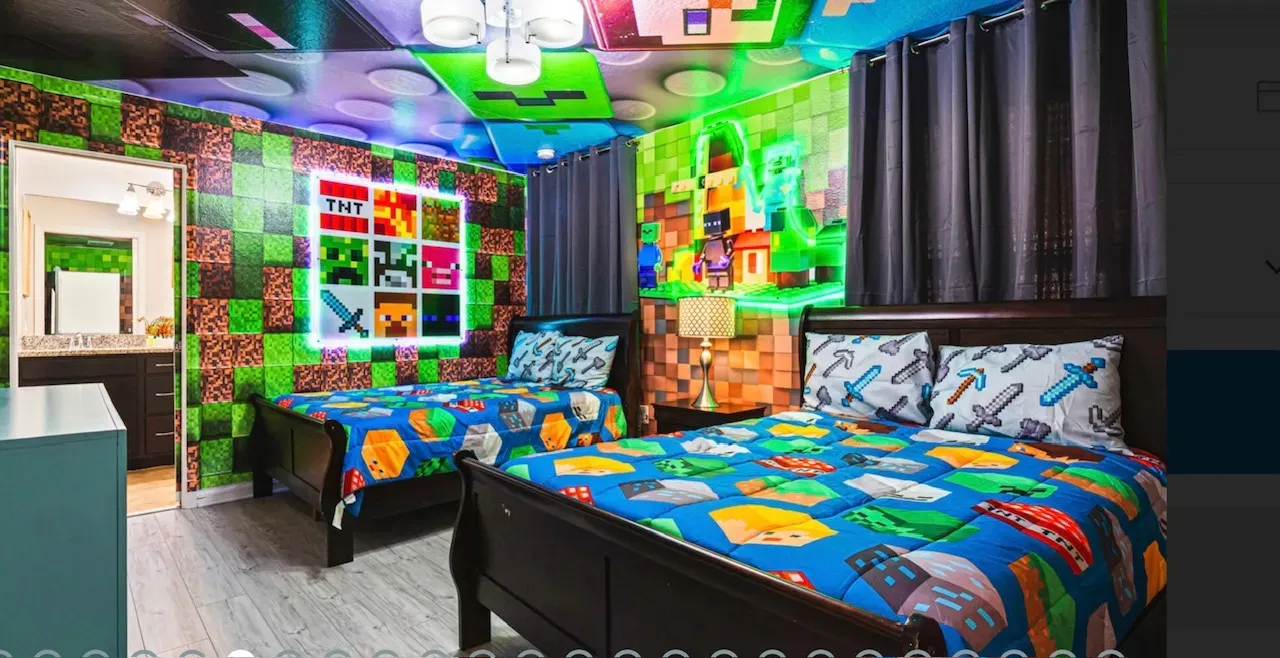
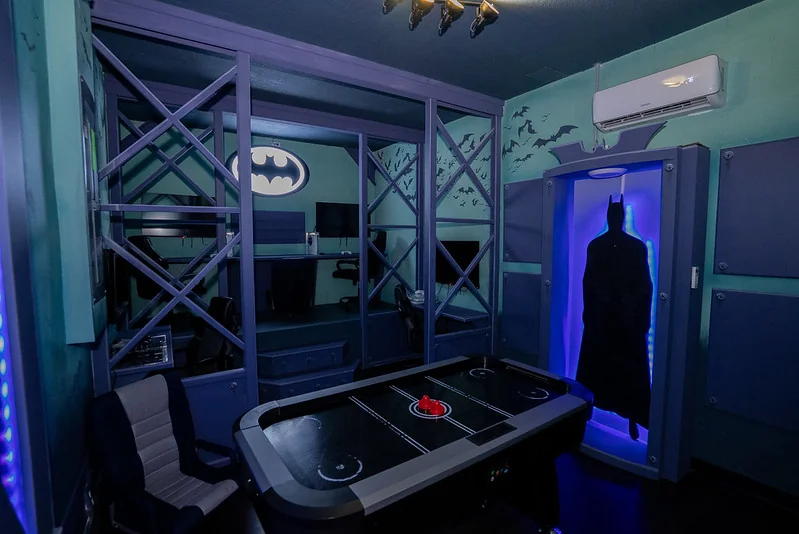
- Playful, event-centric décor that deters the corporate traveler looking for a calm environment
- A kitchen described as "stocked" with minimal cooking infrastructure for month-long stays
- Unverified internet speed buried in FAQs instead of featured in the listing
- Assuming leisure photography alone converts extended-stay bookings
Related Community Guides
Eight Core Services
Turnkey to Themed Rooms — All Under One Roof
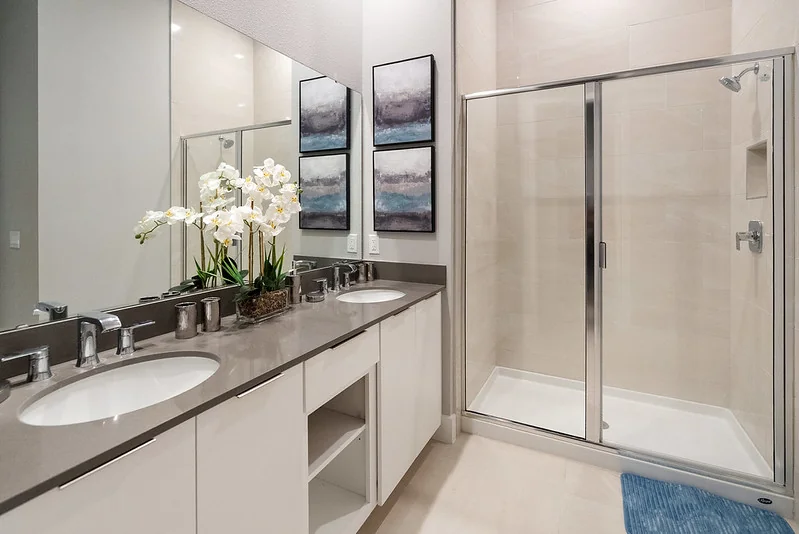
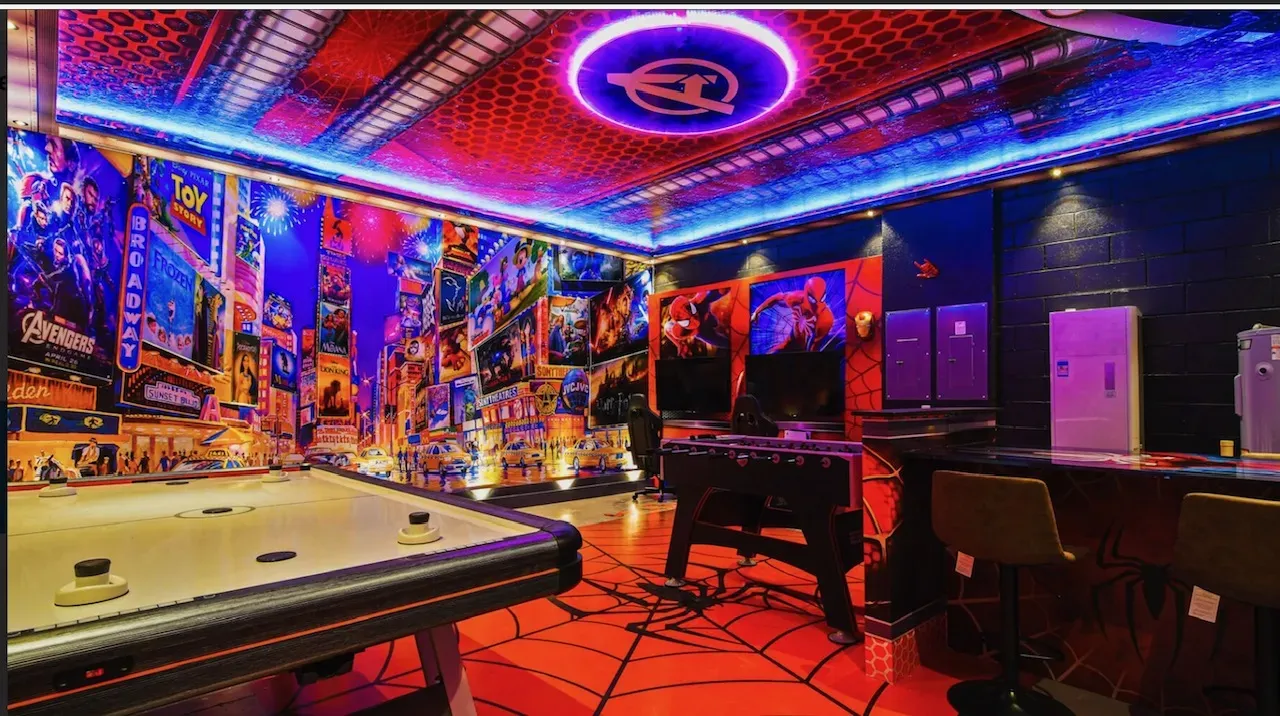
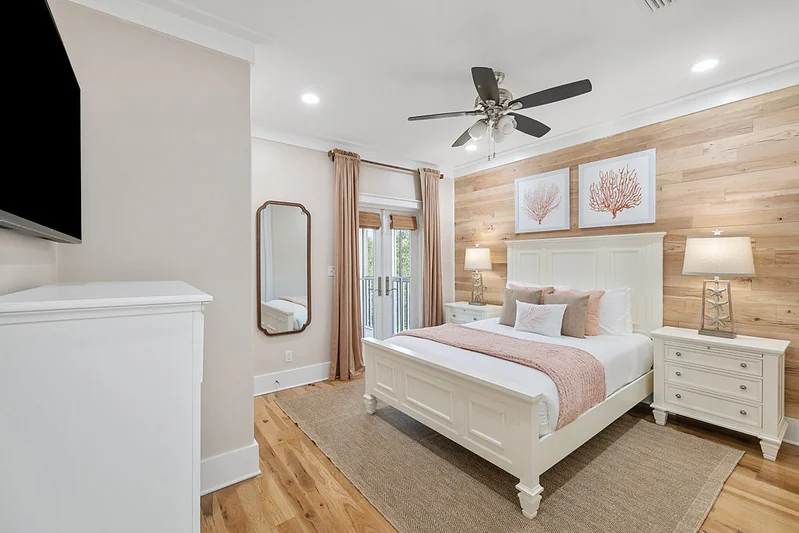
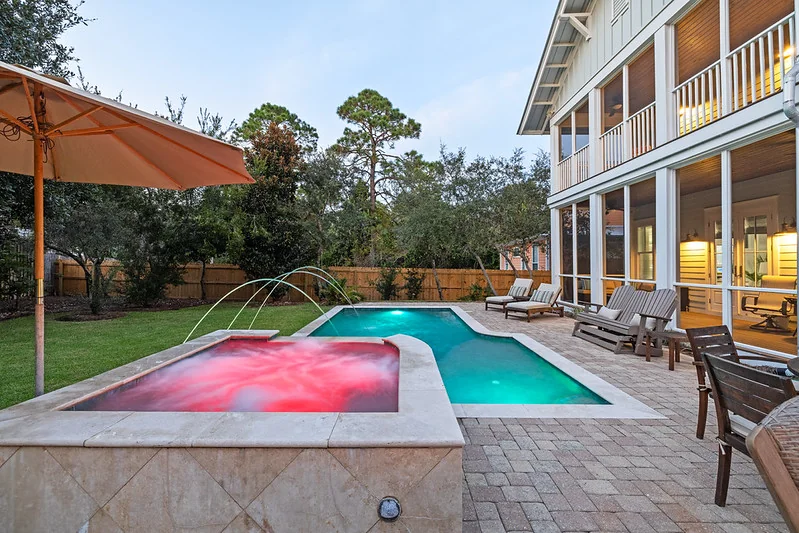
Full furniture packages, STR interior design, themed kids suites, game room conversions, property prep, custom bunks, white-glove install, and listing-ready staging — for vacation rentals and second homes across Orlando, Kissimmee, Davenport, and the full Florida STR market.
Frequently Asked Questions
Can one property serve both leisure and corporate guests?
Yes. Neutral luxury with a real workspace, excellent sleep quality, and a stocked kitchen serves both profiles—the listings just need to be written and photographed with each audience in mind.
How important is the workspace, really?
For stays over 5 nights, a dedicated workspace increasingly appears as a filter criterion on major booking platforms. Without it, you are invisible to that filter.
Is Harbour Island the best location for corporate demand?
Harbour Island and Water Street offer the strongest walk-score to Tampa's major demand generators. Davis Islands and South Tampa serve the medical and university corridors.
Do corporate guests leave better reviews?
Extended-stay guests with professional purposes tend to be less demanding on party-related items and more focused on workspace, sleep, and kitchen quality—which aligns well with thoughtful STR furnishing.
What should I do first?
Pull three in-community comps with your bedroom count, note bunk, outdoor, and primary suite in the hero photos, then send your floor plan. We match package tier to that comp set before you order furniture.
Do I need a different license or permit in Hillsborough County for extended corporate stays versus short-term leisure bookings?
In most cases your existing short-term rental registration covers both, but check your specific municipality's minimum and maximum stay-length rules — some Tampa-area jurisdictions define short-term rental differently above 30 days, which can shift you into standard landlord-tenant rules instead. It's worth a quick call to your local code enforcement or licensing office before advertising 60- or 90-day corporate stays.