The Miami Corporate Rental Boom: How Wall Street South Is Creating...
Citadel, Microsoft, Amazon, and dozens of major law firms have established significant Miami presences. That corporate migration creates demand that does not follow tourist seasonality—and your unit can capture it.
Sound familiar?
Your Brickell unit books fine in winter but July sits empty. Corporate travelers filter for a real desk and hotel-grade sleep — your vacation-party aesthetic doesn't show up in their search. Meanwhile a two-bedroom in the same tower with a dedicated desk and blackout curtains keeps signing 60- and 90-day corporate stays straight through hurricane season.
In short
- Wall Street South has created recession-resistant, year-round furnished rental demand that leisure seasonality cannot replicate
- Workspace quality is the single most-mentioned feature in positive corporate rental reviews
- Corporate and leisure demand are complementary—peak-season leisure plus off-season corporate fills the full annual calendar
- A dual-market unit requires a furniture and positioning investment, not two separate properties
An analyst on an eight-week assignment compares your condo to a hotel two blocks away. They need a workspace, blackout curtains, and a kitchen that works for month-long stays — not throw pillows. Furnish once for both corporate and leisure, and you fill the summer gap other STR owners miss.
What to know
What corporate demand means for furnished rental economics
When a firm like Citadel establishes a major Miami office, it brings analysts, associates, operations staff, legal teams, and a rotating calendar of visitors from other offices. A single mid-size firm can generate dozens of furnished rental bookings per year. Corporate travel does not follow tourist seasonality—it runs on a business calendar, filling the summer months that leisure-focused units leave mostly empty. A single Brickell 2-bedroom positioned for corporate stays can realistically book six to ten separate corporate stints a year at two to eight weeks each, layered on top of winter leisure bookings — which is why owners who furnish for both markets consistently outperform units built for tourist season alone.
What corporate guests need that vacation guests do not
Dedicated workspace: a proper desk with real surface area, ergonomic chair, adequate lighting, and power access—this is the single most-mentioned item in positive corporate rental reviews. Neutral professional aesthetic: the unit needs to look like a reasonable business expense, not a vacation party house. Extended-stay kitchen: full pots and pans, proper knives, a real coffee setup, storage organization. Superior mattresses and blackout curtains for guests working across time zones. Adequate closet and drawer storage for a guest who arrived with a full wardrobe and plans to unpack.
The neighborhoods with highest corporate demand in Miami
Brickell is the core corporate district—Microsoft, Citadel, and major law firms create the highest demand and highest rates for well-positioned units. Downtown and Edgewater have strong secondary demand from convention activity, healthcare, and government sectors. Coconut Grove attracts executives and senior professionals who prefer quieter residential access to Brickell. Coral Gables draws academic and healthcare professionals from the University of Miami and adjacent medical campus. Wynwood hosts creative and tech industry professionals including Amazon's local presence. The common thread across all five neighborhoods is proximity: a 15- to 20-minute commute to Brickell or Downtown is usually the ceiling for corporate guests choosing a furnished rental over a hotel, so units further out in Kendall or Doral rarely capture this demand regardless of how well they're furnished.
How to furnish a Miami unit for the corporate market
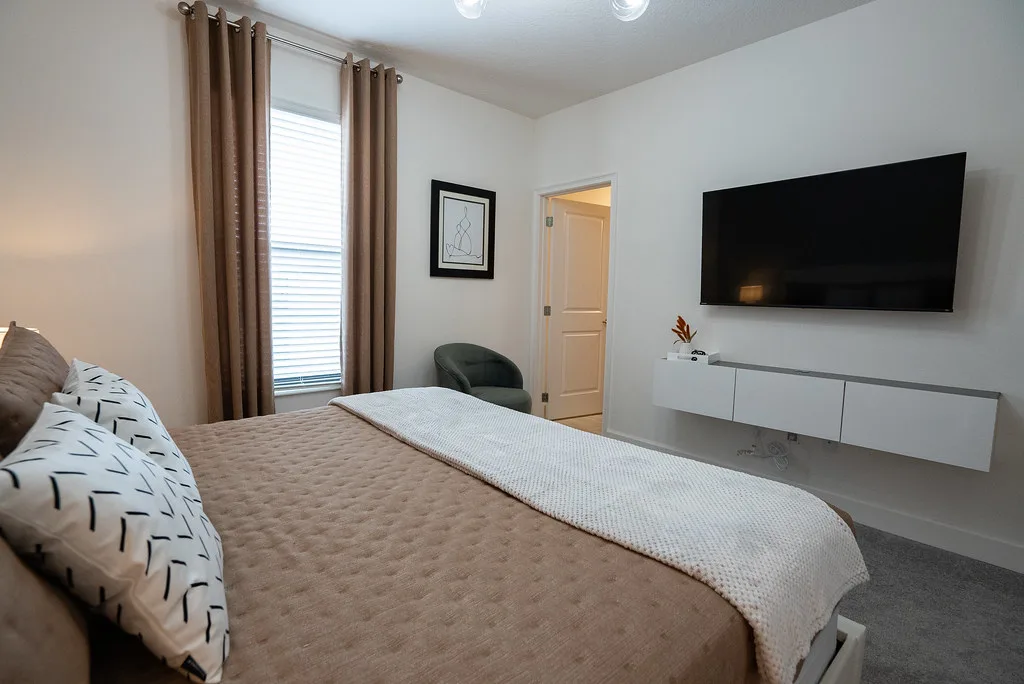
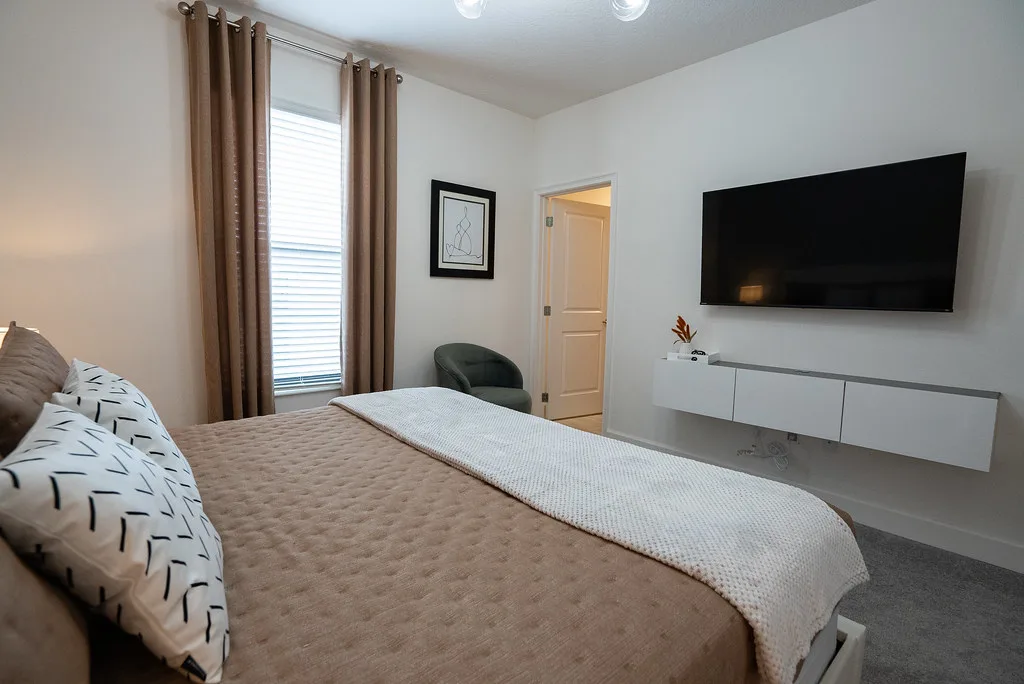
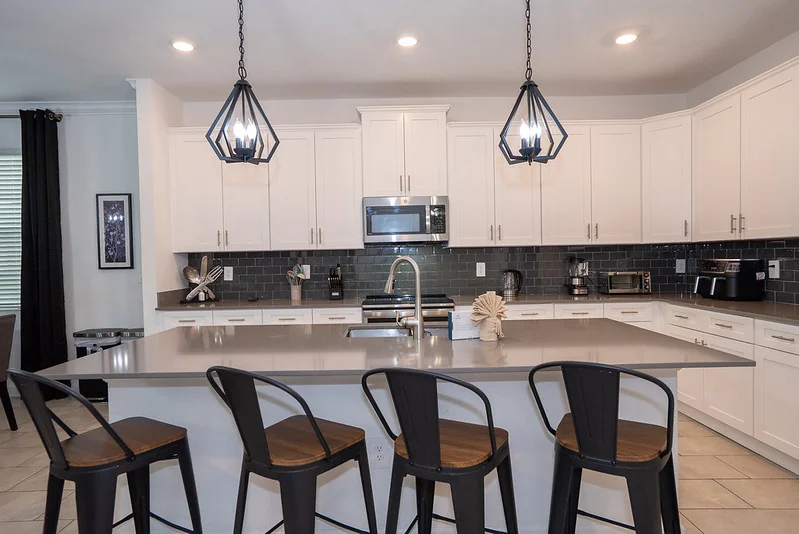
Workspace is non-negotiable: units without a proper workspace consistently lose corporate bookings to those that have one, and it appears as a filter criterion on major booking platforms for longer stays. Neutral, professional palettes—clean lines and quality materials that communicate a reasonable business expense. Kitchen depth for real extended-stay cooking. Hotel-grade mattresses and bedding. Blackout curtains in every bedroom. These are not extras—they are the reason a corporate traveler books a condo over a hotel for an eight-week assignment.
Positioning the dual-market unit
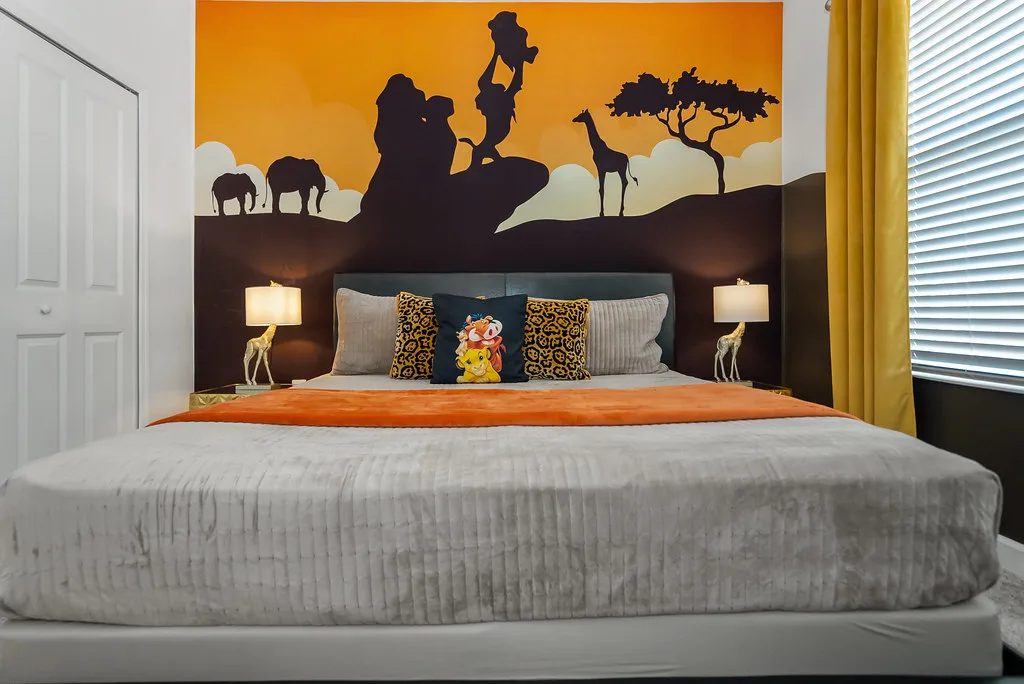
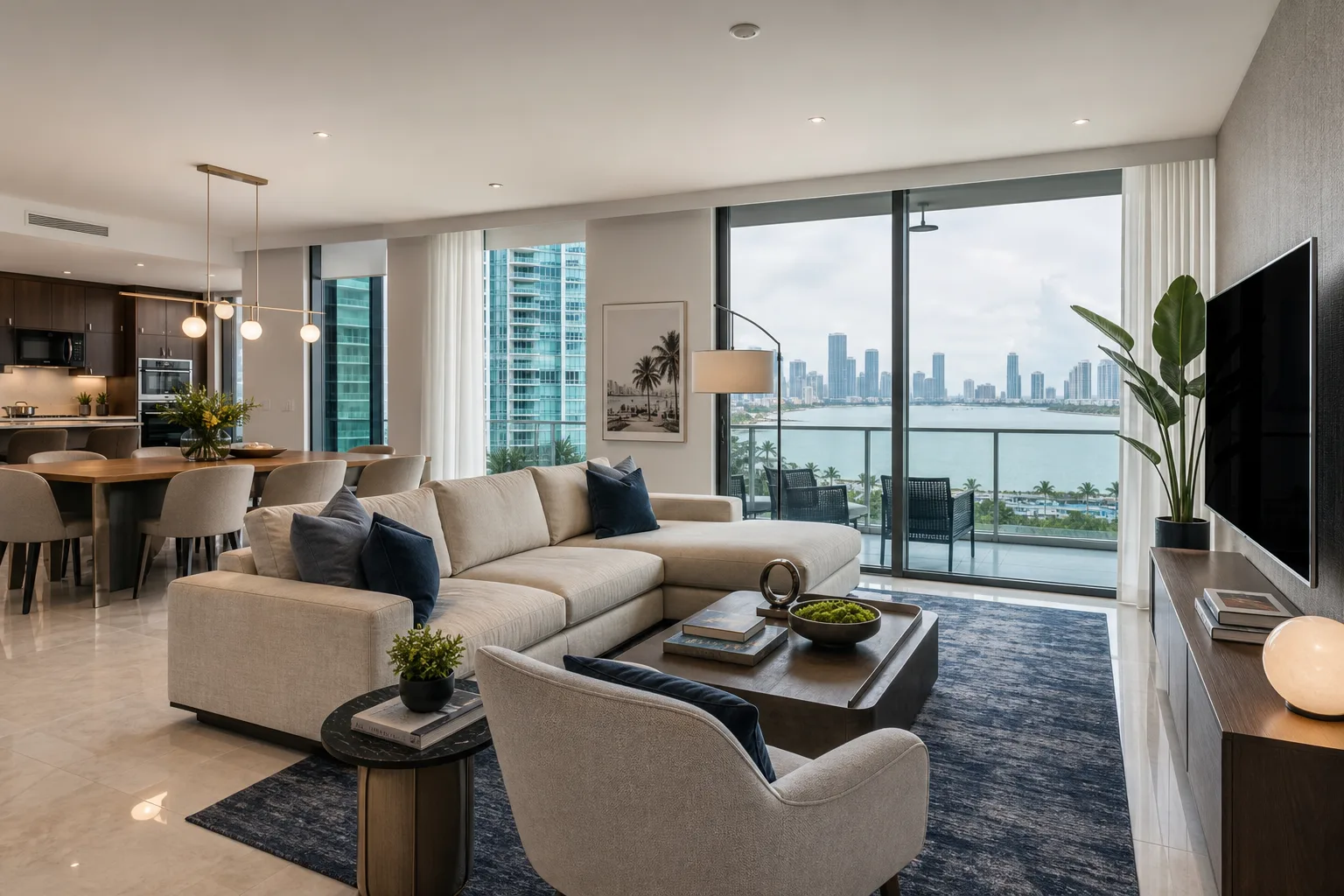
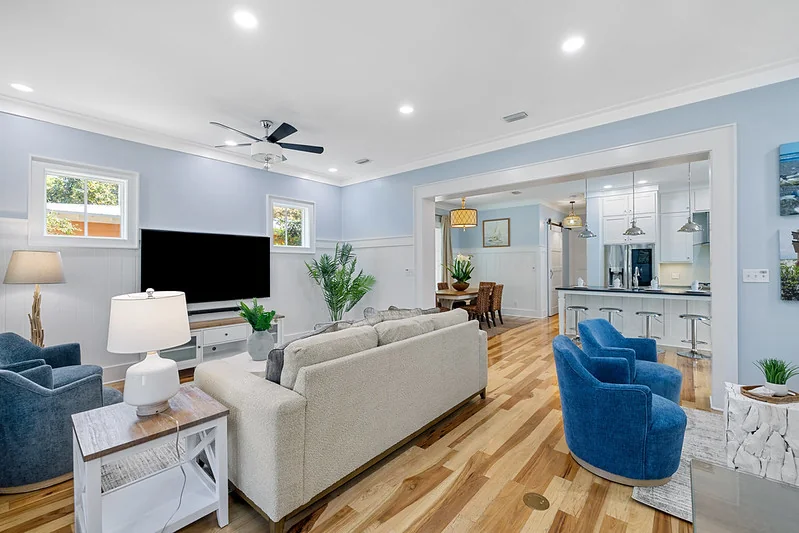
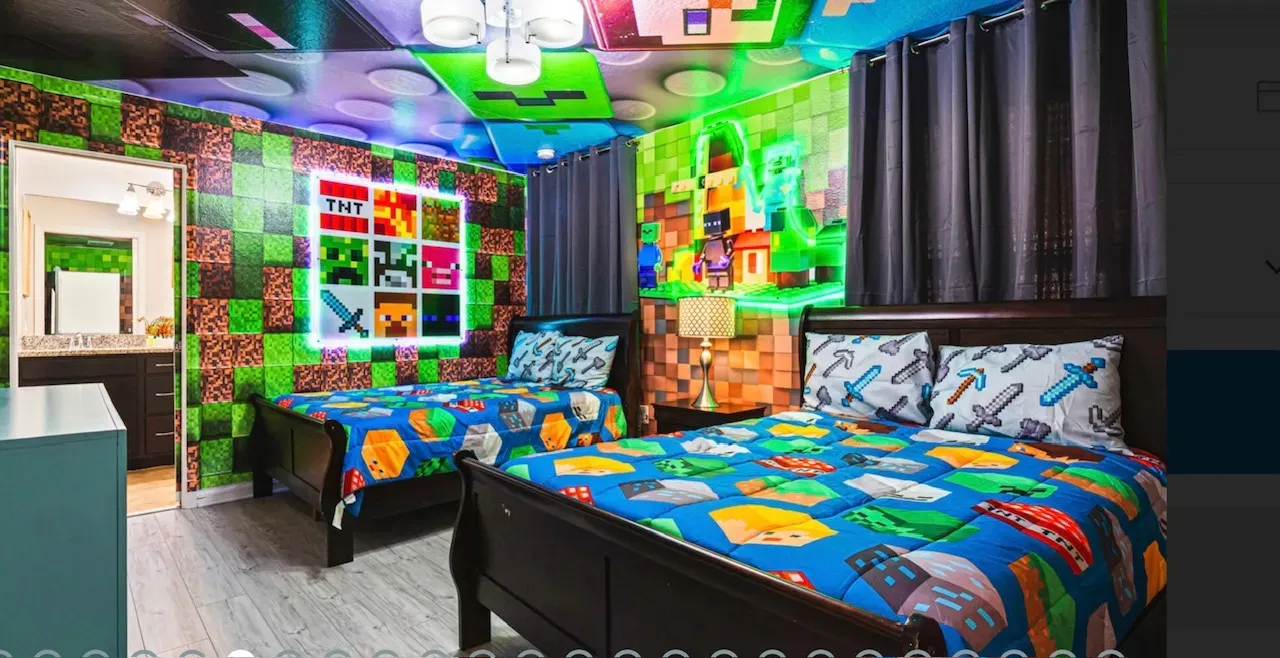
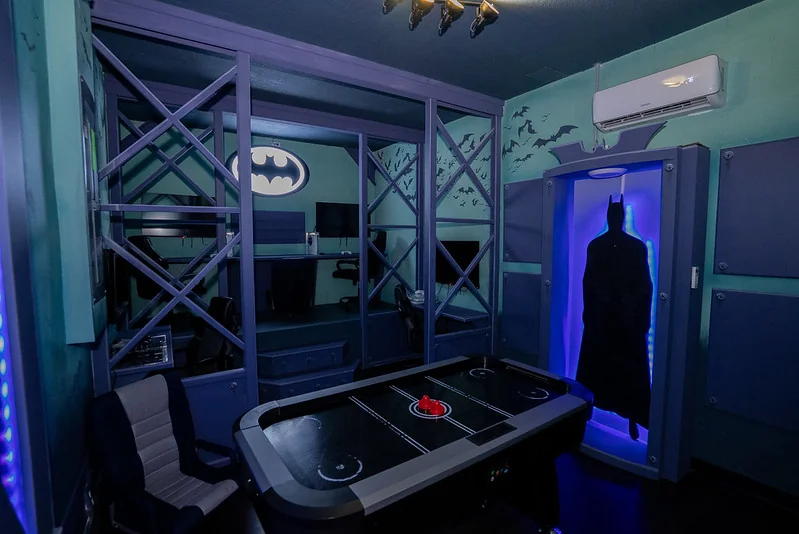
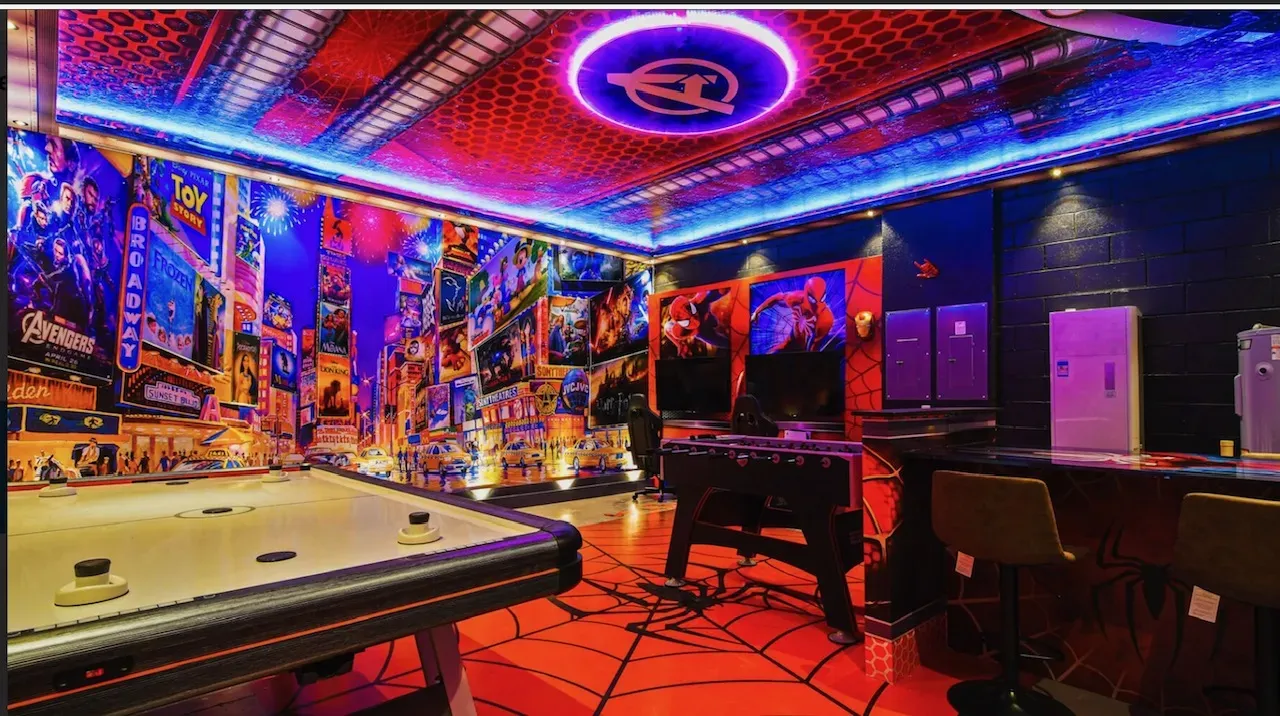
A unit optimized for corporate guests does not have to sacrifice leisure performance. Neutral luxury with a real workspace, excellent sleep, and a stocked kitchen serves both profiles—the listing copy and photography simply need to speak to each audience appropriately. Corporate guests look for workspace and internet documentation in listing details. Leisure guests look at photos. Both can be satisfied by the same well-designed interior. The one adjustment we recommend: keep loud, theme-heavy decor out of a dual-market unit — a game-room aesthetic that books well with families in February can quietly cost you the extended-stay analyst booking in July who's deciding between your listing and three others that read as more professional. A neutral-but-warm palette with one or two design accents reads well in both audiences' search results.
How to price and structure a corporate stay booking
Corporate stays typically book at a monthly or weekly rate rather than a nightly one, and most guests or their relocation companies expect a discount off your standard nightly rate in exchange for the longer, lower-turnover commitment — a common structure is 25–35% off the equivalent nightly total for stays of three weeks or longer. Require a signed rental agreement separate from the standard OTA booking flow for anything over 30 days, since many platforms cap or restrict extended-stay terms, and a direct agreement protects you if the guest's assignment gets extended or cut short. Build in a mid-stay cleaning and linen refresh at the two-week mark for any booking over four weeks — corporate guests won't ask for it, but a fresh set of towels and bedding at that point is one of the details that shows up in the private feedback relocation companies pass back to owners they rebook.
What to do first this week
Open three same-bedroom-count comps on Airbnb or VRBO and screenshot bunk photos, outdoor dining seats, and primary suite finish. List where your home falls short — that gap list becomes your furnish scope. Send your floor plan for a scoped proposal.
What we see go wrong
- No desk in a unit marketed to Brickell corporate travelers—this filters you out of extended-stay searches automatically
- Vacation-adjacent décor that makes an expense-report justification uncomfortable for business travelers
- An underpowered kitchen for guests who plan to cook dinner six nights a week for two months
- Treating the corporate and leisure markets as mutually exclusive when the same well-designed unit can serve both
- Ignoring blackout curtains, which appear in positive corporate rental reviews more often than most hosts expect
Related Community Guides
Eight Core Services
Turnkey to Themed Rooms — All Under One Roof
Full furniture packages, STR interior design, themed kids suites, game room conversions, property prep, custom bunks, white-glove install, and listing-ready staging — for vacation rentals and second homes across Orlando, Kissimmee, Davenport, and the full Florida STR market.
Frequently Asked Questions
Can a Brickell unit really capture both corporate and leisure demand?
Yes. The combination of peak-season leisure bookings and off-season corporate bookings can push annual occupancy significantly above the market average for a unit positioned for both.
What is the typical stay length for Miami corporate rentals?
Corporate stays typically range from 2 weeks to 3 months. Long enough to justify a furnished condo over a hotel; short enough that a traditional lease is not feasible.
Do corporate guests pay more or less than leisure guests?
Corporate guests often pay monthly rates that compare favorably to nightly leisure rates when occupancy is factored in. Consistent mid-month occupancy from corporate use is often more financially stable than peak-and-valley leisure patterns.
How should I describe workspace amenities in my listing?
Be specific: surface dimensions, chair type, internet speed with a verified screenshot, and monitor or docking capability if available. Corporate guests filter on these details.
What should I do first?
Pull three in-community comps with your bedroom count, note bunk, outdoor, and primary suite in the hero photos, then send your floor plan. We match package tier to that comp set before you order furniture.
Do I need different insurance or a business license to accept corporate or extended-stay bookings?
In most cases your existing STR license and landlord insurance cover extended stays, but check your policy's minimum and maximum stay-length terms — some short-term rental policies cap coverage at 30 days and require a separate landlord or long-term rental rider for anything longer. It's worth a five-minute call to your insurance agent before you list a unit for 60- or 90-day corporate stays.