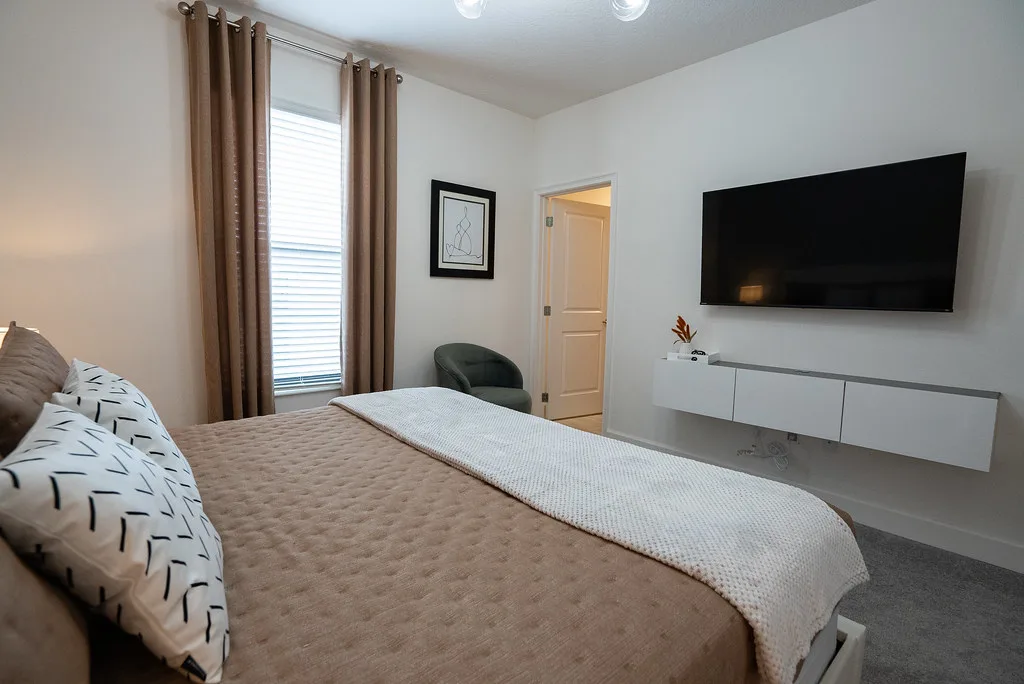
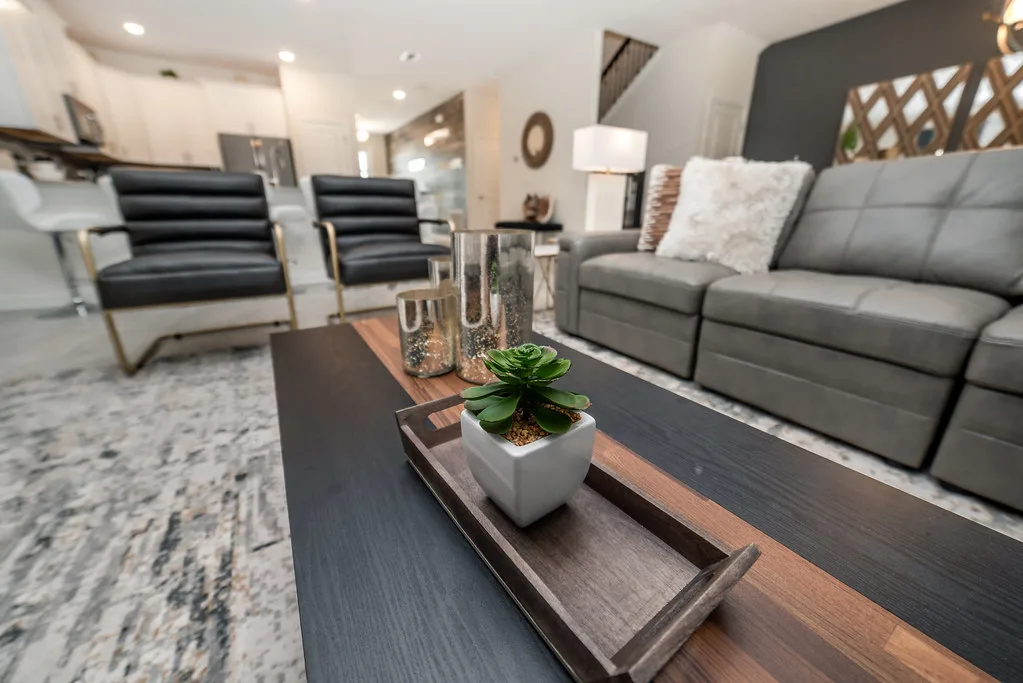
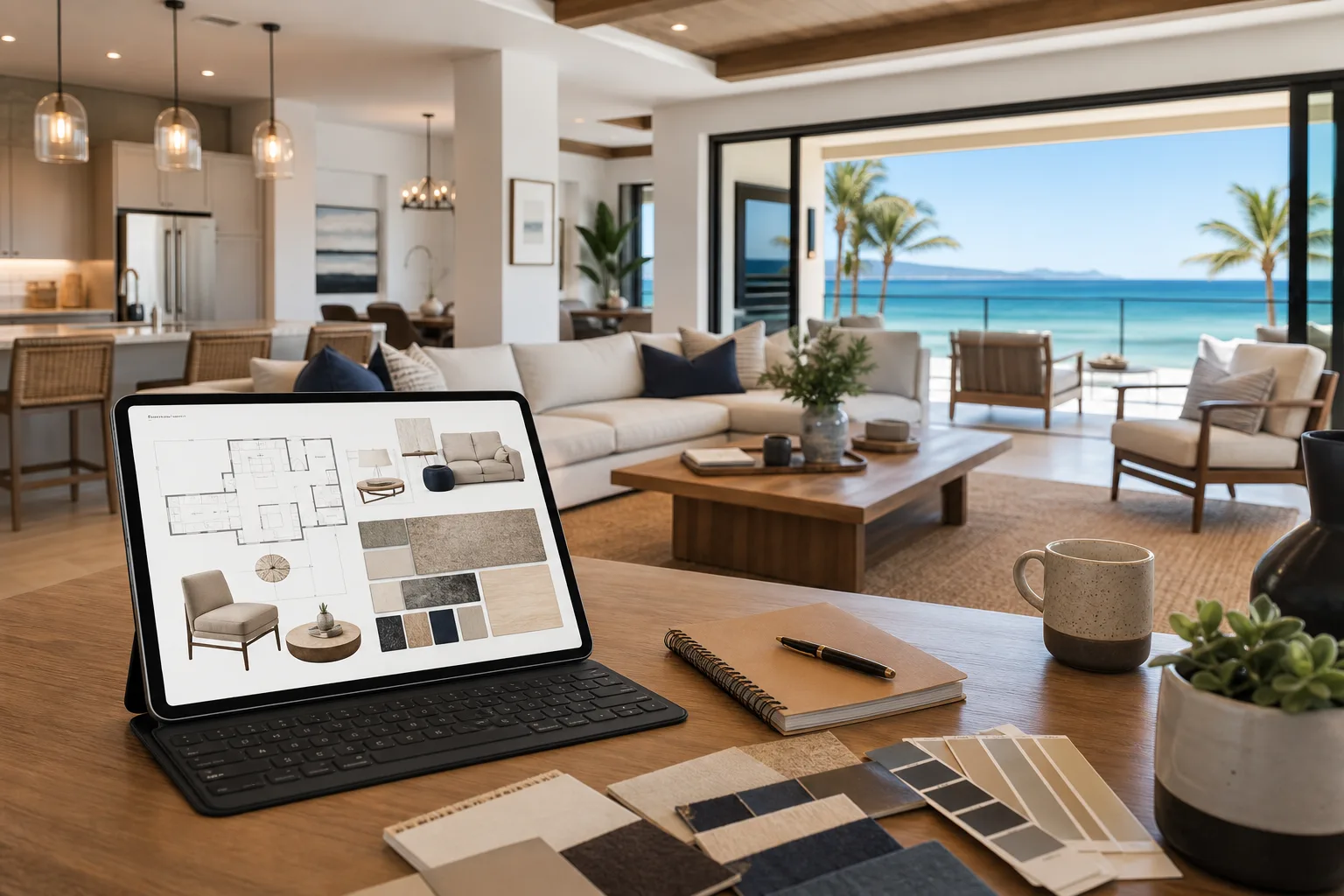
Furnishing Coconut Grove and Coral Gables Rentals for Extended Stays
The Grove and Gables attract a fundamentally different guest than Brickell—academics, healthcare professionals, executives in relocation, and snowbirds who stay for months and evaluate furniture like a home, not a hotel room.
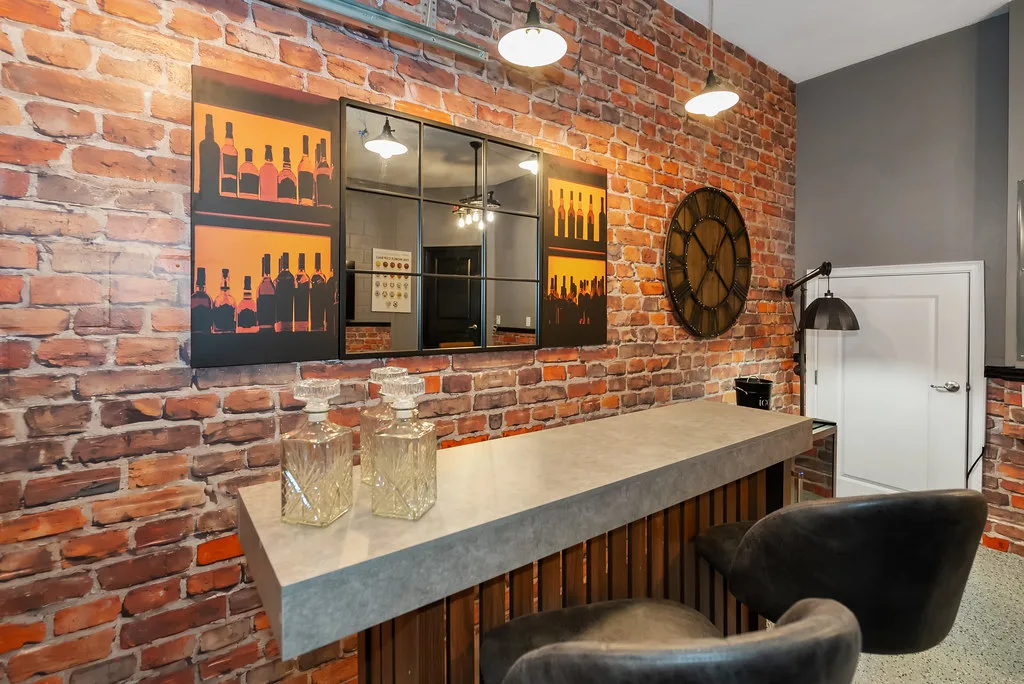
Sound familiar?
A UM visiting professor booked your Grove unit for twelve weeks. By week three she's writing about the wobbly desk, dull knives, and a sofa that's already showing wear — not because she's picky, but because she lives there every day.
In short
- Extended-stay furnished rentals in the Grove and Gables command monthly rates that quickly recover furniture investment
- The kitchen, storage, and workspace are the three functional features that make or break extended-stay reviews
- Structural durability is more important here than in short-stay markets—60 days of daily use reveals furniture failures that photos cannot predict
- Academic and healthcare demand smooths seasonality gaps that leisure-only properties experience
Coconut Grove and Coral Gables guests stay months, not nights. They unpack, cook real meals, and work from your dining table. Short-stay hotel furniture fails under that use — and extended-stay reviews are long, specific, and permanent.
What to know
Who fills the Grove and Gables extended-stay market
University of Miami visiting faculty and researchers: academic professionals on semester-length appointments who need a proper home environment for two to four months. Healthcare professionals at Jackson Memorial, Sylvester Cancer Center, and the broader medical campus on rotations. Corporate relocations: executives in transition between residences who need 30–90 days of furnished housing while permanent arrangements are finalized. Affluent snowbirds who want a residential neighborhood experience for a three- to five-month winter stay. International buyers who purchased in Coral Gables or Coconut Grove as a primary Florida residence and use the property as a furnished rental between their own visits.
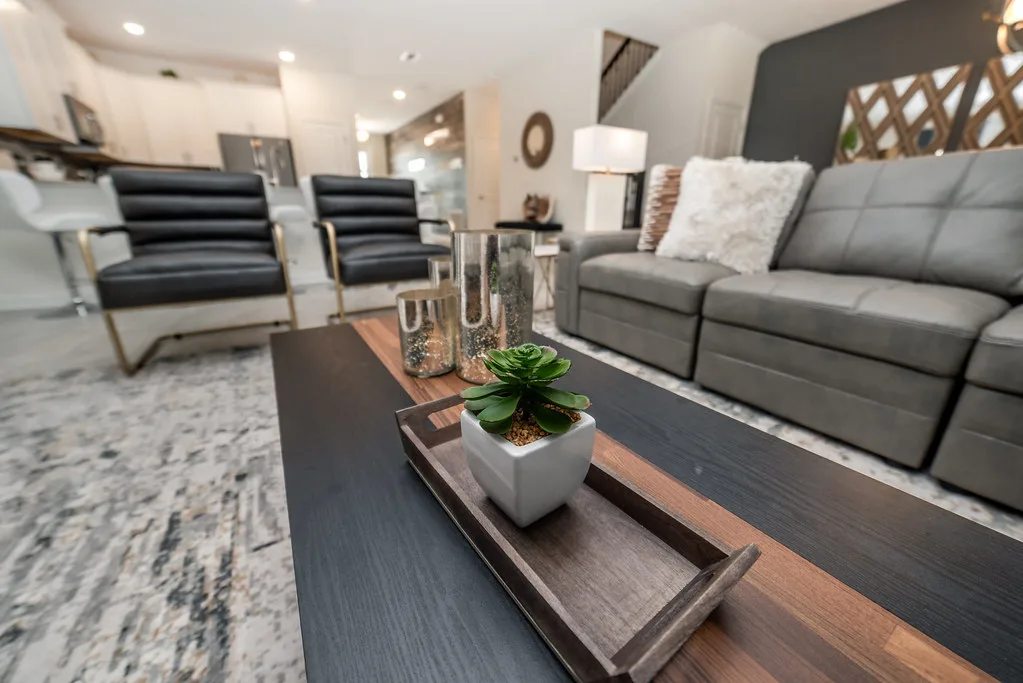
What extended-stay guests evaluate that short-stay guests do not
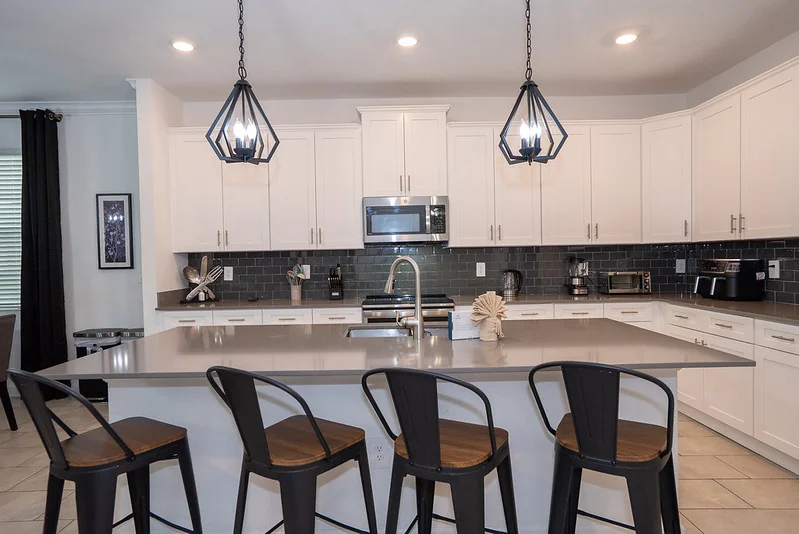
The kitchen must be a real kitchen: quality pots and pans, sharp knives, full baking equipment if the unit has an oven, adequate pantry storage, a coffee setup that does not require daily restocking. Storage is infrastructure: a month-long guest arrives with a full suitcase and needs to unpack—closets with adequate hanging space, organized drawers, and accessible bag storage are functional requirements. Workspace that actually works: a full-size surface, proper lighting, ergonomic chair, and power access. Quality that does not degrade: a sofa and mattress used every day for six weeks must hold up structurally, not just photograph well.
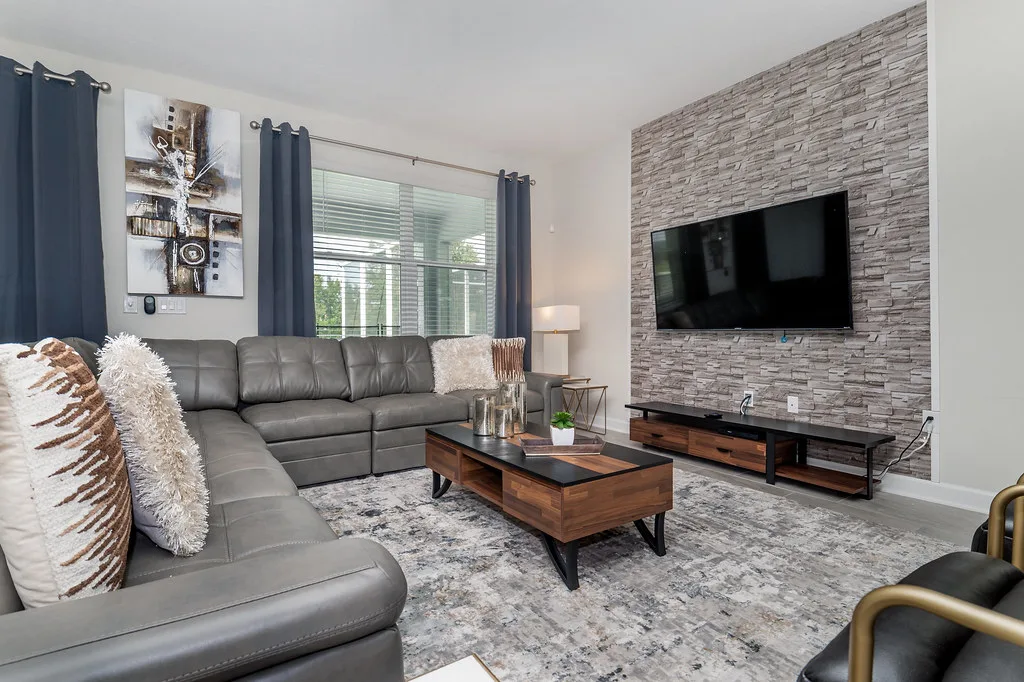
The pricing advantage of extended-stay furnishing
Properties furnished for extended-stay guests in Coconut Grove and Coral Gables typically command monthly rates of $4,500–$9,000 depending on size and location—significantly above the annual lease equivalent for comparable unfurnished units. The furniture investment enabling this premium is recovered in the first two to three months of extended-stay occupancy. A furnished 2-bedroom that would rent unfurnished for $3,200 a month can often command $5,500–$6,500 furnished and fully equipped for a UM visiting faculty stay or a corporate relocation — the roughly $2,000–$3,000 monthly premium means a $20,000 furniture investment is typically recovered within seven to ten months of consistent extended-stay bookings, after which it's pure upside for the remaining life of the furniture.
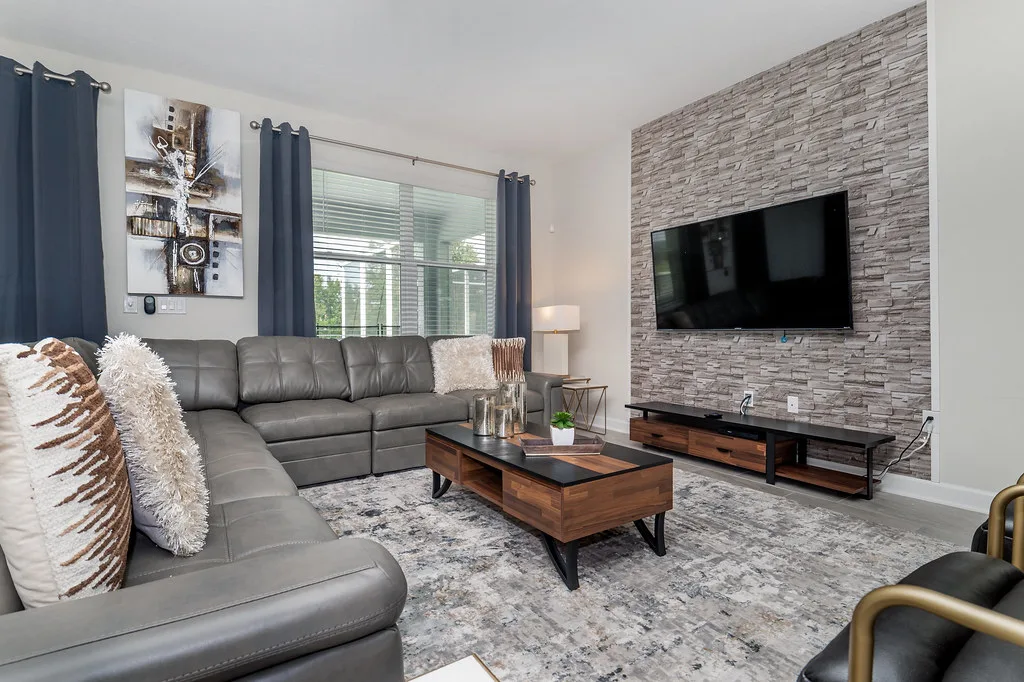
What a Grove and Gables furniture package emphasizes
Larger floor plans in these neighborhoods mean storage furniture matters—dressers, closet organizers, and bedside tables with adequate surface area. Kitchen investment is proportionally higher: more cooking equipment, more counter appliance depth, more storage organization for a genuine self-catering setup. Workspace integration as a deliberate design choice. Structural durability on sofas, beds, and dining chairs that face two to three months of daily professional use. For a typical 3-bedroom Grove or Gables property, this usually means allocating an extra $2,000–$4,000 above a comparable short-stay Brickell package specifically toward kitchen depth and storage furniture — categories that barely register in a 3-night stay but define the guest experience over 90 days.
The lower-risk guest advantage
Extended-stay professionals and snowbirds are generally lower-risk guests than short-stay leisure travelers—lower turnover-related wear, more incentive to leave the property in excellent condition, and less likelihood of the party-damage scenario that short-stay markets carry. The trade-off is that they evaluate the property more thoroughly and have more opportunity to notice failures. A guest staying eight weeks will discover a broken drawer slide or a wobbly dining chair that a three-night guest would never encounter, simply because they open every drawer and sit in every chair dozens of times, not once. Build furniture selection around that reality: choose pieces rated for daily residential use rather than occasional hospitality use, since the failure mode with extended-stay guests isn't a bad review after one weekend — it's a maintenance call in week five that interrupts a guest who's already unpacked and settled in.
Turnaround time between extended-stay guests
A property vacated after a 10- or 12-week stay needs more than a standard STR turnover clean — extended-stay guests use every drawer, cabinet, and surface in the unit, so a full inspection and reset typically takes two to three days rather than the same-day turn common between short leisure stays. Budget for re-laundering all linens (not just the ones that look used), checking every kitchen item against the original inventory list, and touching up any wall scuffs from moved furniture before the next booking's photos or walkthrough. Owners who treat the extended-stay turnover like a quick short-term cleaning consistently miss small issues — a drawer that no longer closes flush, a chipped baseboard — that the next long-term guest will notice within the first week, since they're living with the space daily rather than passing through.
What to do first this week
Open three same-bedroom-count comps on Airbnb or VRBO and screenshot bunk photos, outdoor dining seats, and primary suite finish. List where your home falls short — that gap list becomes your furnish scope. Send your floor plan for a scoped proposal.
What we see go wrong
- Furnishing Coconut Grove or Coral Gables properties to a short-stay hospitality standard when the guest is actually evaluating for months of daily living
- A decorative desk that is too small to work at—this is the most common negative mention in extended-stay professional reviews
- Under-stocked kitchens in properties where guests are explicitly choosing a rental over a hotel to cook
- No storage organization for a guest who arrived with a full wardrobe and plans to spend three months
- Consumer-grade mattresses and sofas that show structural wear under 60+ days of continuous use
Related Community Guides
Eight Core Services
Turnkey to Themed Rooms — All Under One Roof
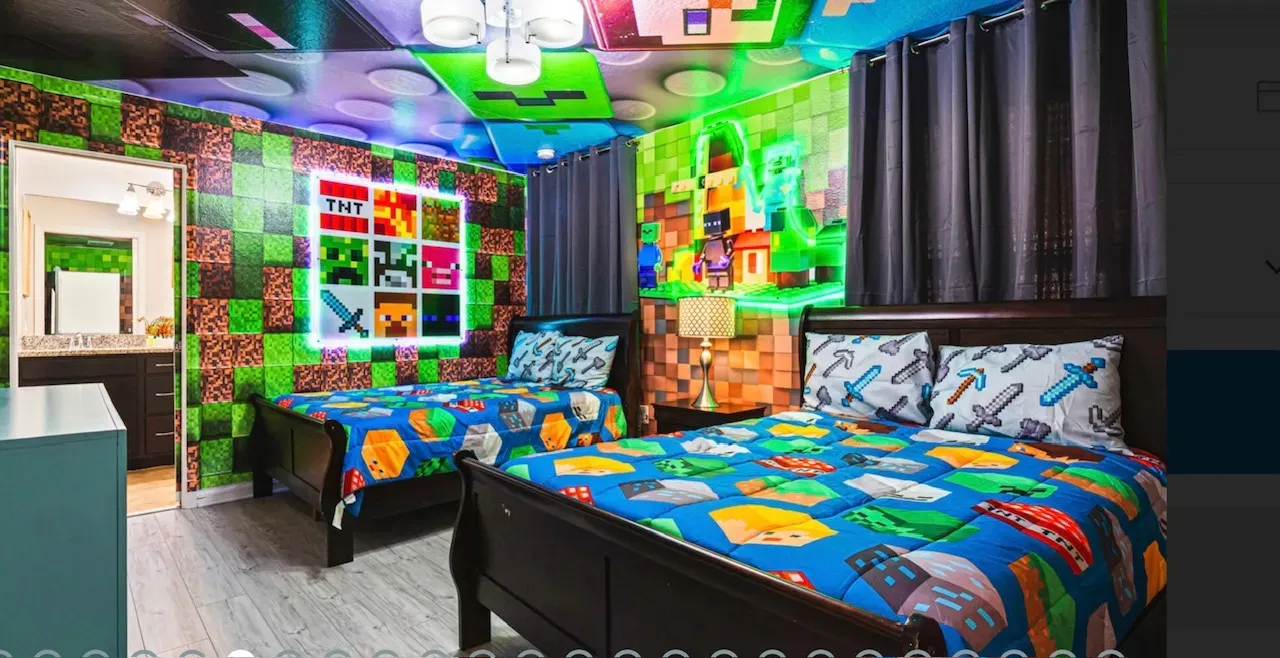
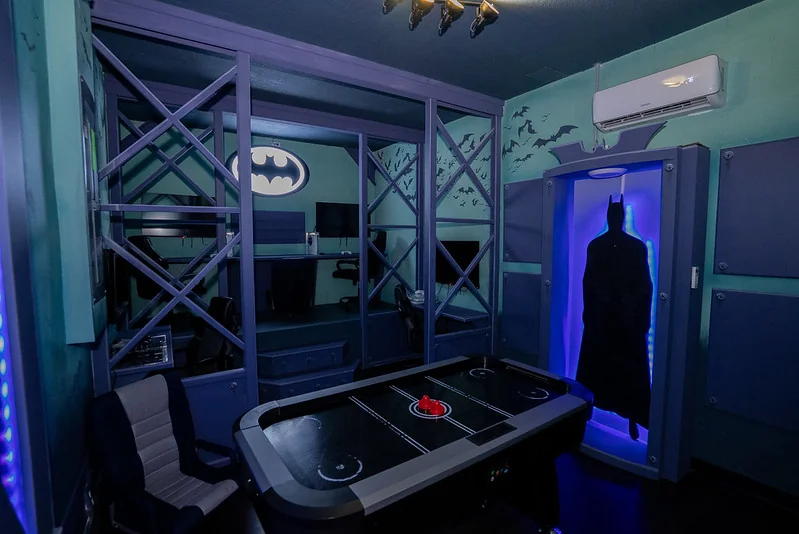
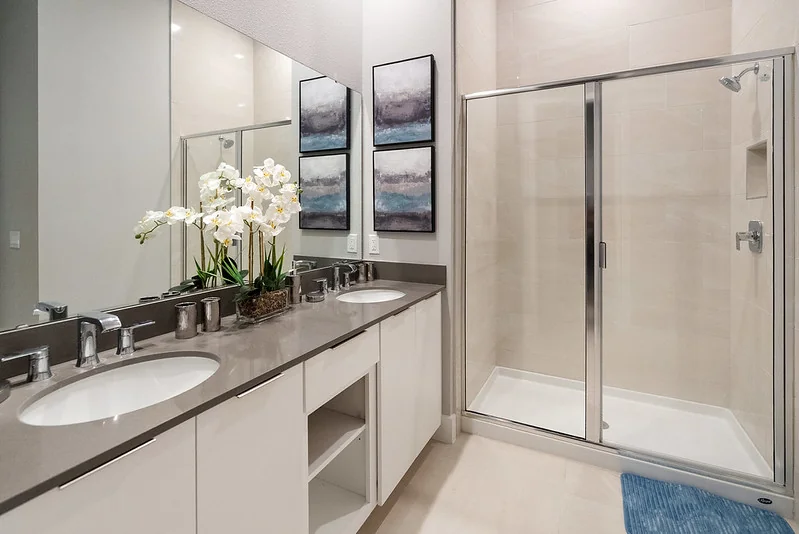
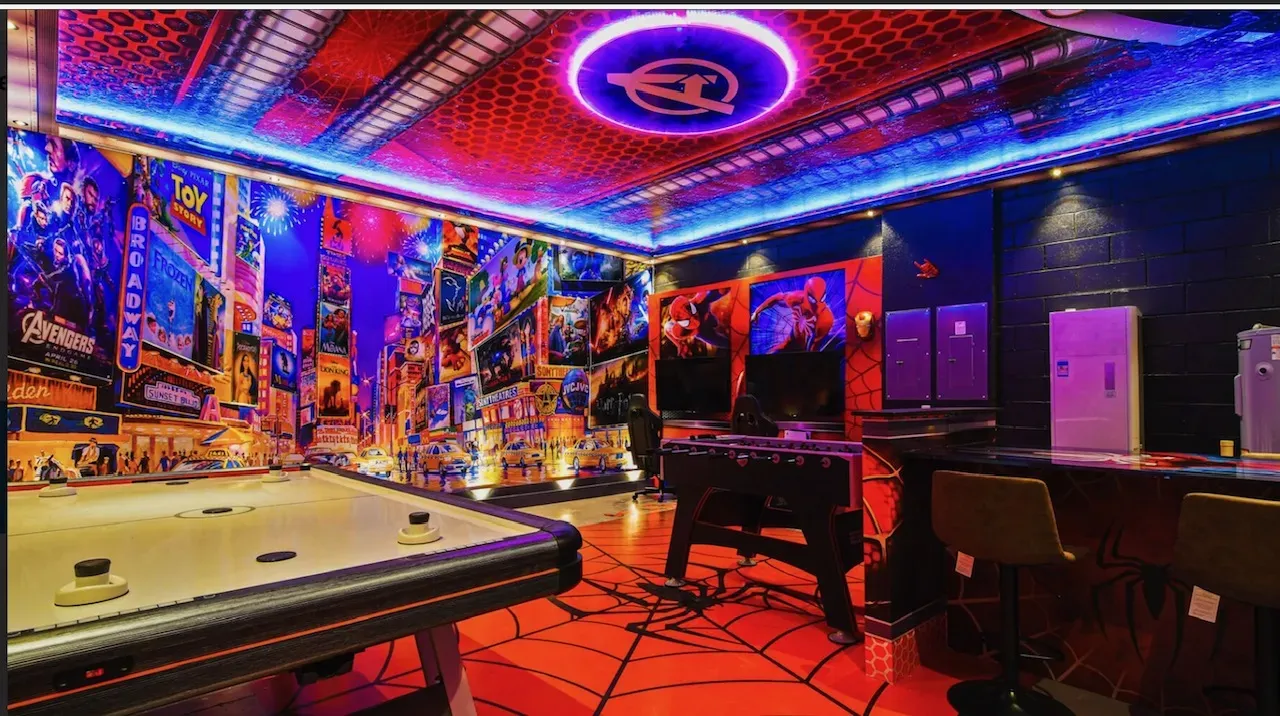
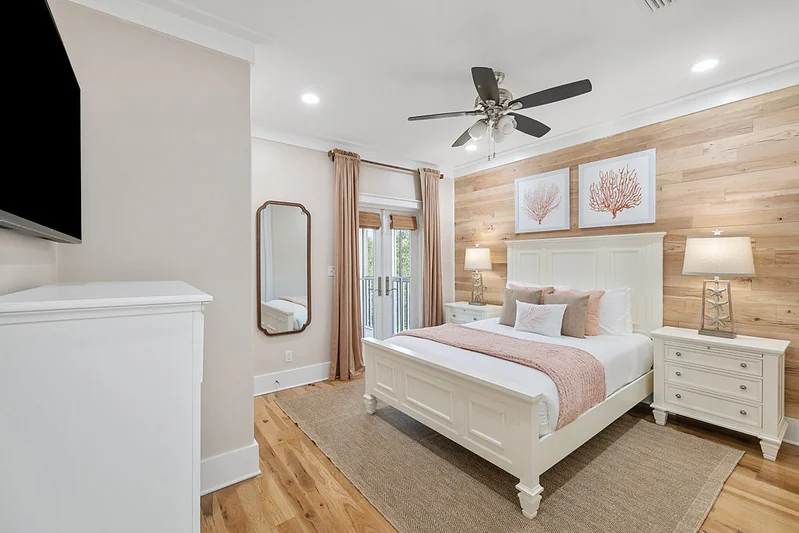
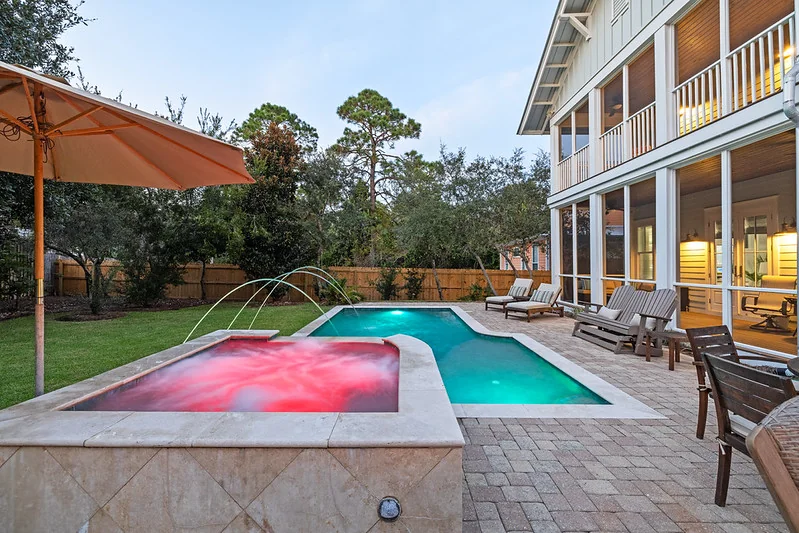
Full furniture packages, STR interior design, themed kids suites, game room conversions, property prep, custom bunks, white-glove install, and listing-ready staging — for vacation rentals and second homes across Orlando, Kissimmee, Davenport, and the full Florida STR market.
Frequently Asked Questions
Is the extended-stay market in the Grove and Gables seasonal?
Partially—snowbird demand peaks from November to April. Academic and healthcare professional demand follows academic and project calendars that span the full year, smoothing occupancy.
Do extended-stay guests leave better or worse reviews than short-stay guests?
Extended-stay guests write more detailed reviews because they had more time to notice everything. A property that performs well under scrutiny earns highly credible long-form reviews that drive future bookings.
Can a Coconut Grove property also attract short-stay leisure guests?
Yes. The residential character and waterfront dining access do attract leisure guests for 3–7 night stays. A fully equipped property serves both segments—the extended-stay setup does not exclude short-stay bookings.
How does furniture investment compare to Brickell for the same bedroom count?
The investment is comparable in total cost, but the allocation differs: more toward kitchen depth, storage furniture, and structural durability; less toward the visual-impression-in-photos driver that dominates Brickell packges.
What should I do first?
Pull three in-community comps with your bedroom count, note bunk, outdoor, and primary suite in the hero photos, then send your floor plan. We match package tier to that comp set before you order furniture.
Can you furnish a Grove or Gables property fast enough for a visiting professor or relocation arriving in just a few weeks?
Yes — the standard two-week timeline from approved quote to installation applies here the same as anywhere else in Miami-Dade, and these neighborhoods generally have easier delivery access than a high-rise, since most properties are single-family homes or low-rise buildings without freight elevator restrictions. The main constraint is confirming the extended-stay furniture package — storage, kitchen depth, workspace — early enough that nothing is missing when the guest walks in for a multi-month stay.