Investor Launch Checklist
A phased checklist for STR investors launching a Florida vacation rental — pre-close, 60–30 days pre-launch, install week, launch week, first 30 days. The decisions that protect the launch date and the first-cycle review quality.
Sound familiar?
STR investors launching a Florida vacation rental routinely arrive at install week with three to five decisions still unresolved — photography coordination, PM onboarding paperwork, listing-platform setup, houseware-kit specification, owner-supplied item handoff. By install week, the decisions that should have been made 60–90 days earlier are now compressing into the same 7–10-day window as the install itself, and the launch date starts sliding.
In short
- The launch checklist is a phased sequence: pre-close (90–30 days), pre-launch (60–30 days), install week, launch week, first 30 days, months 2–6. Each phase has its own decisions.
- Engaging the furnishing vendor and the photographer early (Phase 1–2) is the what matters most discipline. Both are common decision-slip points that compress into install week.
- Out-of-state investors do not need to be on-site for install week. The closeout documentation and video walkthrough cover what you need to verify the install.
- First 5–10 reviews disproportionately shape the listing’s long-term review average. Active management of first-cycle issues protects the booking cycle.
- End-of-season refresh discipline starts at month 3–6 for properties launched in spring or summer. Skipping the refresh produces visible quality degradation in months 18–24.
This is a phased checklist for STR investors launching a Florida vacation rental — organized by phase rather than topic so you can see which decisions belong at each point in the project. The checklist assumes a launch-ready package or full amenity package at 4–8BR; smaller properties compress the timeline and larger properties extend it. The goal is to surface the decision sequence early so you do not arrive at install week with unresolved decisions stacking up against the launch date.
What to consider
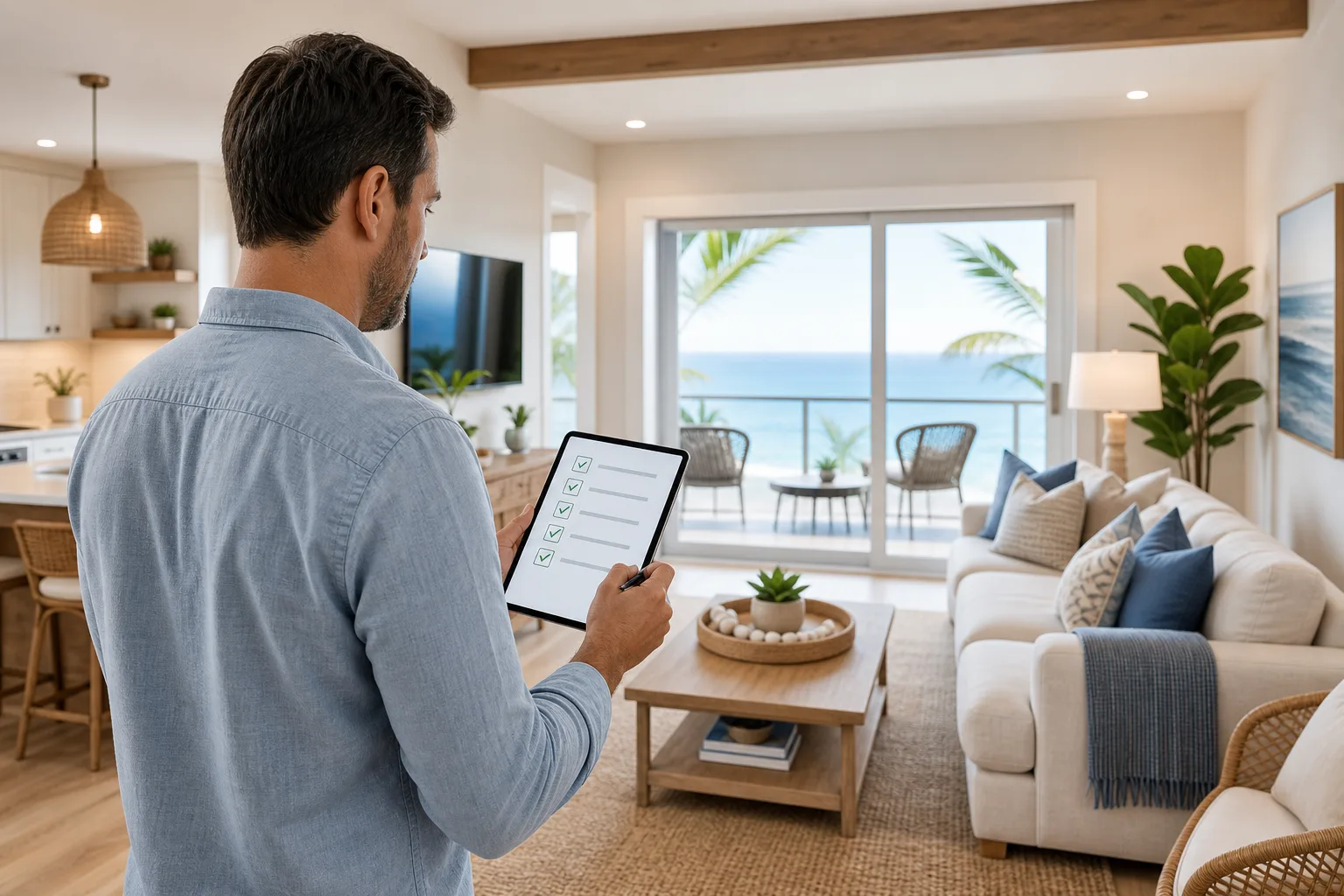
Phase 1: Pre-close (90–30 days before closing)
Engage a furnishing vendor on scope conversation (do this before close — procurement timeline does not start until you give the signal at close, but scope decisions take real time). Confirm package level (launch-ready, launch-ready package, full amenity package, Luxury Estate, Mega-Rental) matched to the property and the target audience. Receive itemized scoped proposal and review with co-investors, financial advisor, or PM partner if applicable. Identify PM partner if not yet engaged — most PM firms onboard properties most cleanly when furnishing scope is already locked. Identify STR photographer for post-install photography (book the photographer at this stage, not at install week). Confirm listing-platform approach (Airbnb, VRBO, Vrbo Premium, dedicated property website, PM-managed multi-platform).
Phase 2: Pre-launch (60–30 days before launch target)
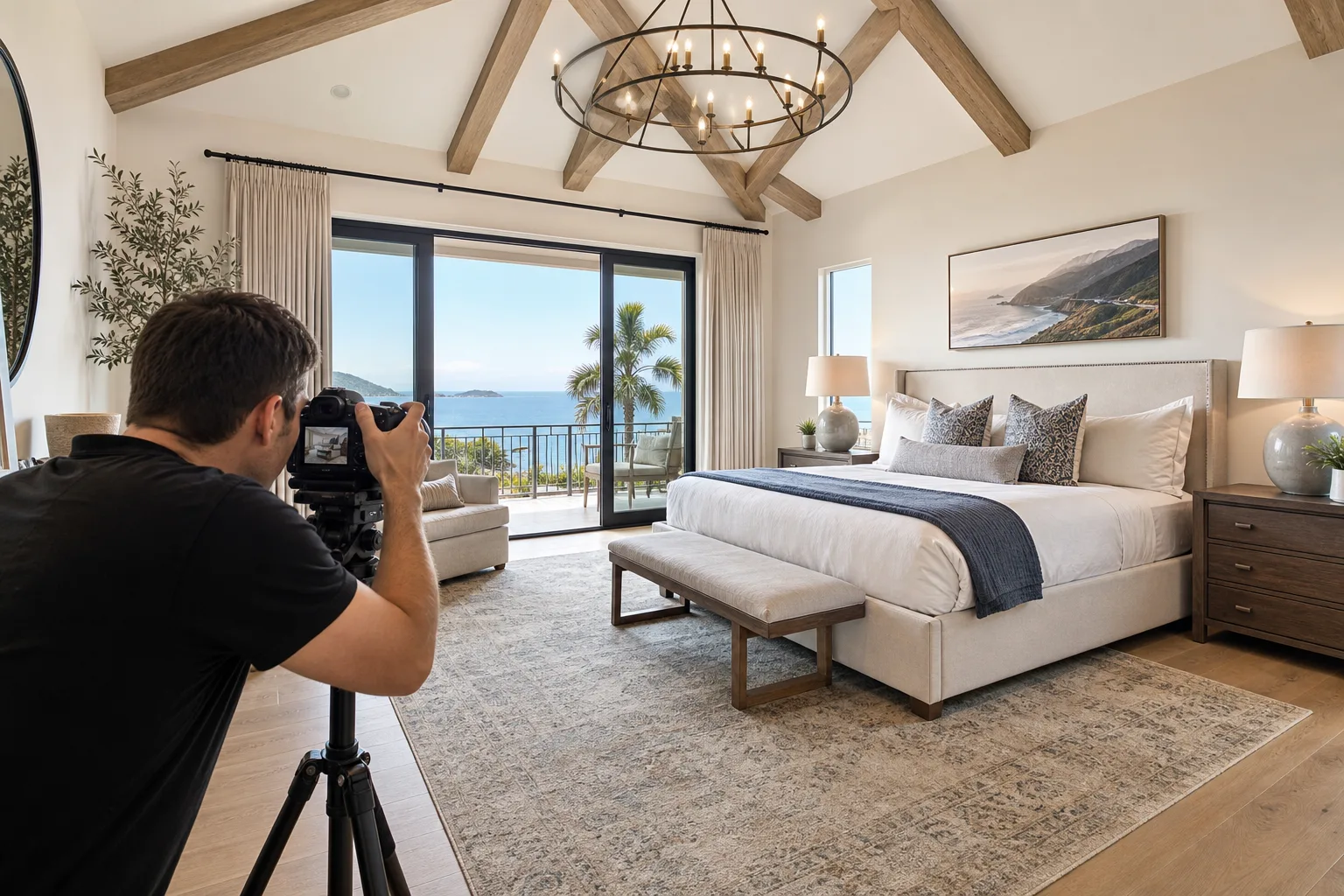
Sign furnishing scope proposal at close (or shortly after if the proposal needs adjustment based on close-day discoveries). Procurement clock starts. Confirm install-week date with furnishing vendor and PM partner; confirm photography date for install-complete-plus-one-day. Begin listing-platform account setup if not already in place — Airbnb verification, VRBO listing creation, dedicated-website domain registration. Confirm insurance is in place against installed-furniture loss (most homeowner policies cover; STR-specific riders may be needed). Confirm community access protocols for install week if the property is in a gated resort community. If you are out-of-state, confirm the closeout documentation expectations (video walkthrough length, inventory list format, photo documentation depth).
Phase 3: Install week
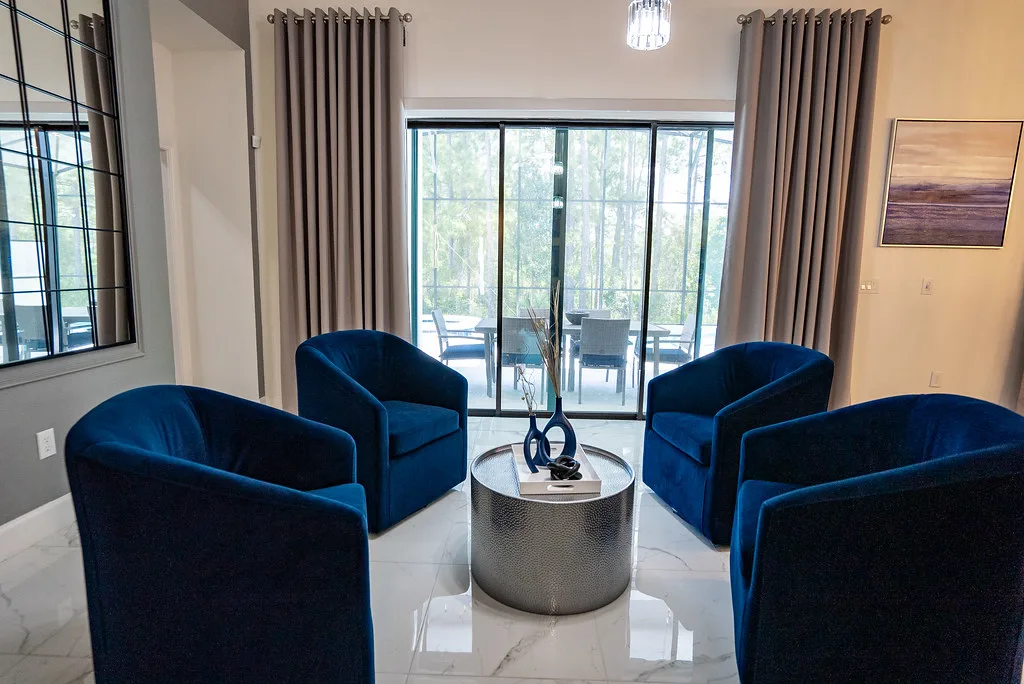
Furnishing install runs across 2–5 days depending on property size and package level. If you are out-of-state, you do not need to be on-site — the closeout video walkthrough and documentation cover what you need. If you are in-state and want to be on-site, plan to be present for the closeout walkthrough specifically (the start of install is operational work; the close is the decision moment for any deferred punch items). Confirm any owner-supplied items (heirlooms, art, owner-shipped specialty items) arrived on schedule and are integrated correctly. Photography is scheduled for install-complete-plus-one-day; do not schedule photography during install or before closeout. PM onboarding paperwork is typically signed during install week if the PM is your launch partner.
Phase 4: Launch week
Photography day runs install-complete-plus-one-day. Plan for 4–6 hours of photography for a launch-ready package property; 6–8 hours for full amenity package; 8–12 hours for Luxury Estate with multi-zone composition. Photographer delivers raw or processed photos within 3–7 days depending on photographer cadence. Listing-platform listing goes live once photos are in hand and listing copy is finalized. PM partner (if applicable) completes their onboarding and lists the property across their multi-platform inventory. First booking typically lands within 5–14 days of listing going live in Central Florida resort markets, depending on the season and pricing positioning.
Phase 5: First 30 days (booking cycle)
First booking opens the operational rhythm. Monitor review patterns closely — the first 5–10 reviews disproportionately shape the listing’s long-term review average. If furniture-related issues surface in first-cycle reviews, work with the furnishing vendor on rapid replacement (most legitimate vendors handle first-cycle issues without owner-side cost). Confirm houseware-kit inventory is intact after first turnover — missing items become operational standing issues if not resolved early. PM partner provides operational data (occupancy, nightly rate trajectory, review-cycle quality) that informs the next-phase decision: stay-the-course or package tier upgrade in 6–12 months.
Phase 6: Months 2–6 (cycle stabilization)
The property settles into its real review-cycle quality and booking-platform positioning by month 3. Soft-goods rotation discipline starts here — throw pillows, decorative finish-out, and high-wear bath linens benefit from mid-season replacement before they hit the gallery-quality threshold. End-of-season refresh (mid-September through early November for Central Florida resort markets) is the first major maintenance event for properties launched in spring or summer. PM-managed properties typically have refresh scope flagged by the PM operations team; self-managed properties need to schedule the refresh independently.
Common decision gaps that compress into install week
The decisions that most commonly stack up into install week (rather than being resolved at the correct earlier phase) are: photographer selection (should be Phase 1–2, often slips to Phase 3), PM partner onboarding paperwork (should be Phase 2, often slips to Phase 3), houseware-kit refinement (should be Phase 2, often discovered at Phase 3 when staging happens), listing-platform account setup (should be Phase 2, often slips to Phase 4), and owner-supplied item handoff coordination (should be Phase 2, often slips to install week). Each of these has a known correct phase; arriving at install week with three or four of these unresolved produces a launch-date slip.
How FPUSA coordinates with the launch sequence
For projects we run, our project lead surfaces the cross-phase decisions early — photographer recommendations during Phase 1 if the owner does not have one, PM-partner introductions if needed, listing-platform timing alignment with the install window, owner-supplied item shipping coordination so items arrive at the right point in install. We do not run the photographer, the PM, or the listing platform ourselves, but we make sure the decisions and the timing are surfaced so the launch sequence stays cohesive. For out-of-state investors, this coordination is the difference between a launch that happens on the target date and one that slips two weeks while the owner chases six separate decisions.
What we see go wrong
- Engaging the furnishing vendor at Phase 3 (install week) rather than Phase 1 (pre-close) — scope decisions take real time and cannot be compressed into the same week as the install.
- Booking the photographer at install week rather than at Phase 1–2 — quality STR photographers in Central Florida resort markets book 2–4 weeks out; install-week photographer booking produces either a delayed photography date or a lower-quality photographer.
- Letting houseware-kit specification slide until the staging happens — the kit-specification conversation is operationally separate from the furniture-selection conversation and needs to be on its own track.
- Listing-platform account setup at Phase 4 (launch week) rather than Phase 2 — Airbnb verification can take 5–10 days, VRBO listing creation has its own timeline; compressing both into launch week often slips the live-listing date.
- Skipping the owner-supplied item coordination conversation — owner-shipped heirlooms, art, or specialty items that arrive at the wrong point in install disrupt the staging-and-photography sequence.
- Treating the first 5–10 reviews as standard operating reviews — they disproportionately shape the listing’s long-term average and warrant active management of first-cycle issues.
- Skipping the end-of-season refresh because the property is in active booking — the refresh window exists specifically because deferring it produces visible quality degradation in months 18–24.
Related Community Guides
Eight Core Services
Turnkey to Themed Rooms — All Under One Roof
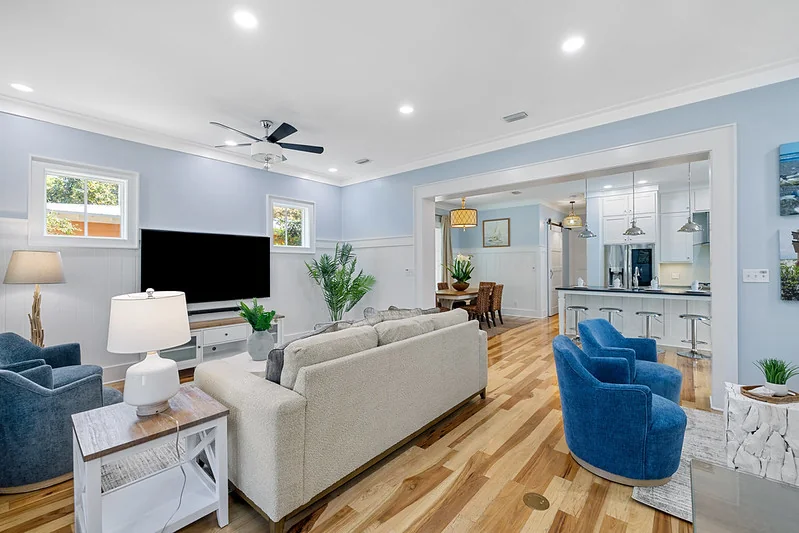
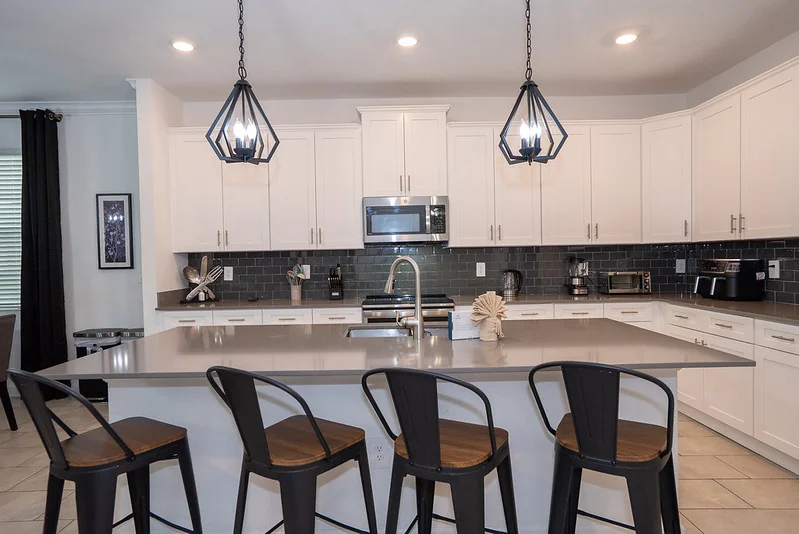
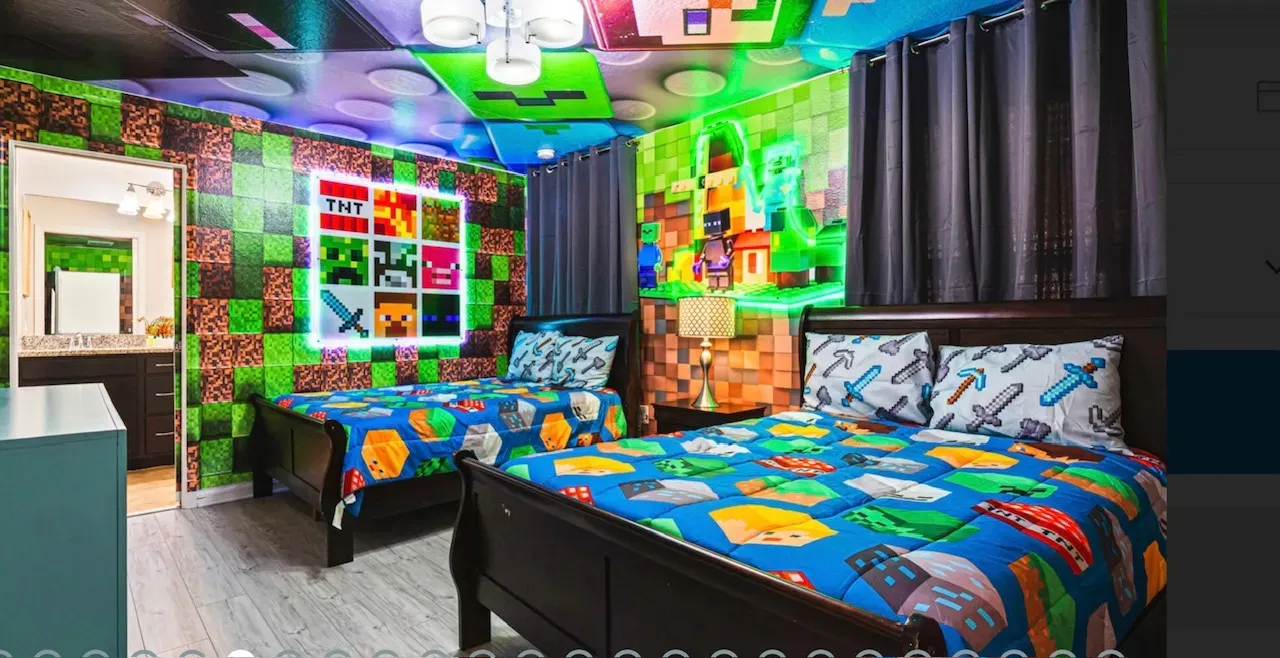
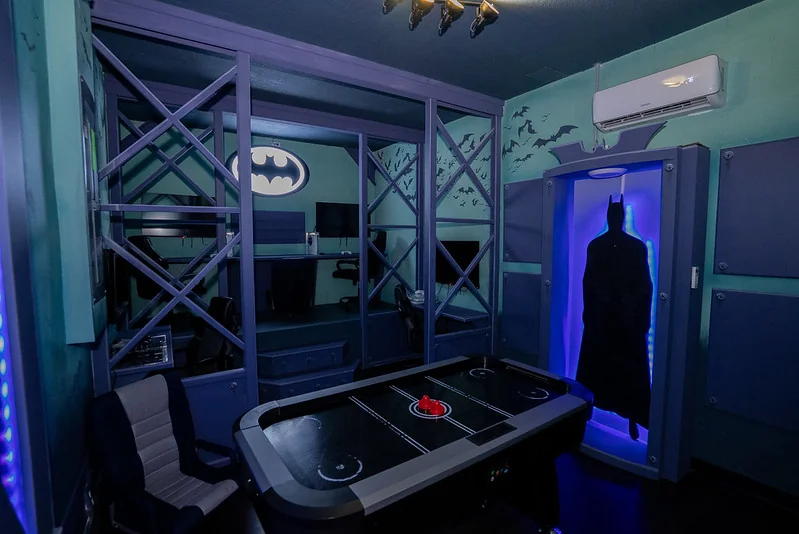
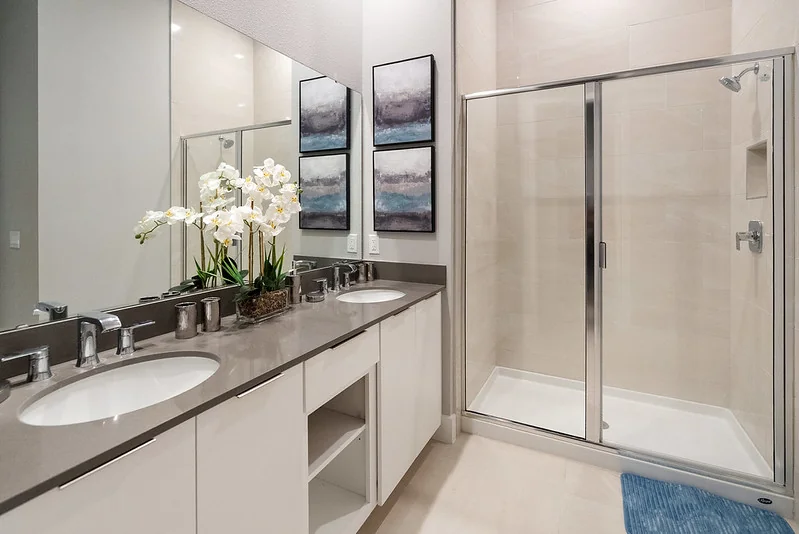
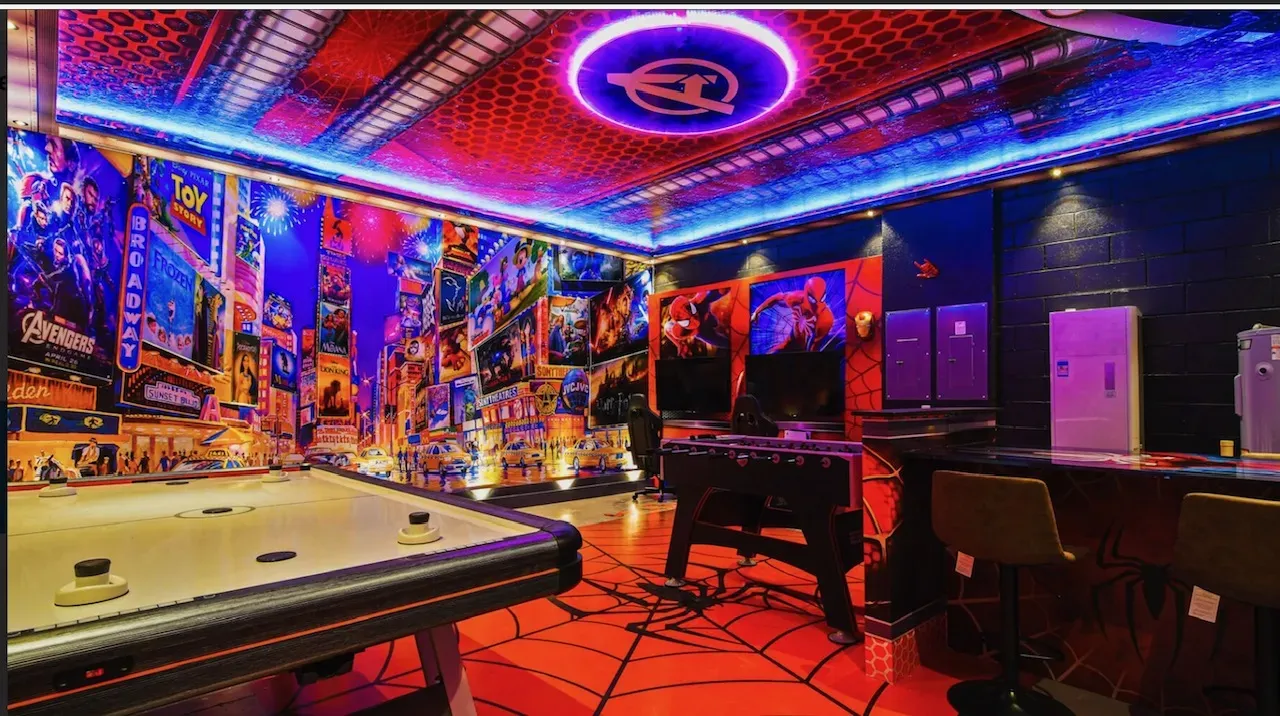
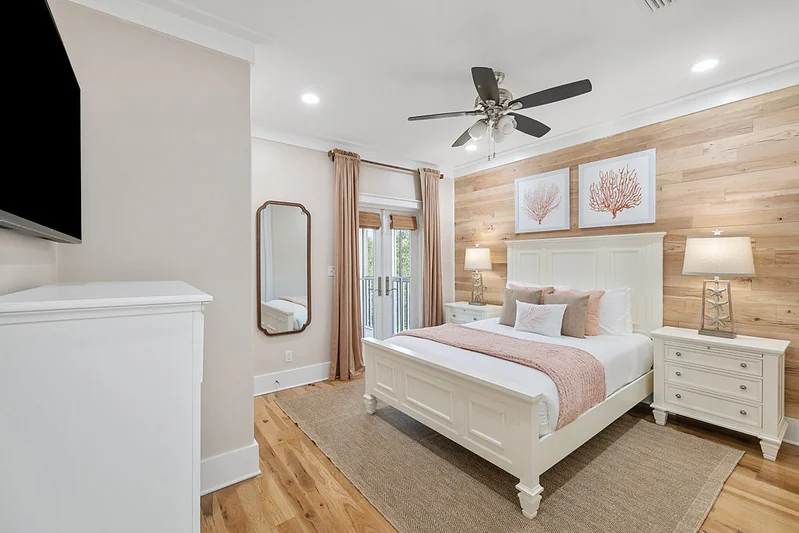
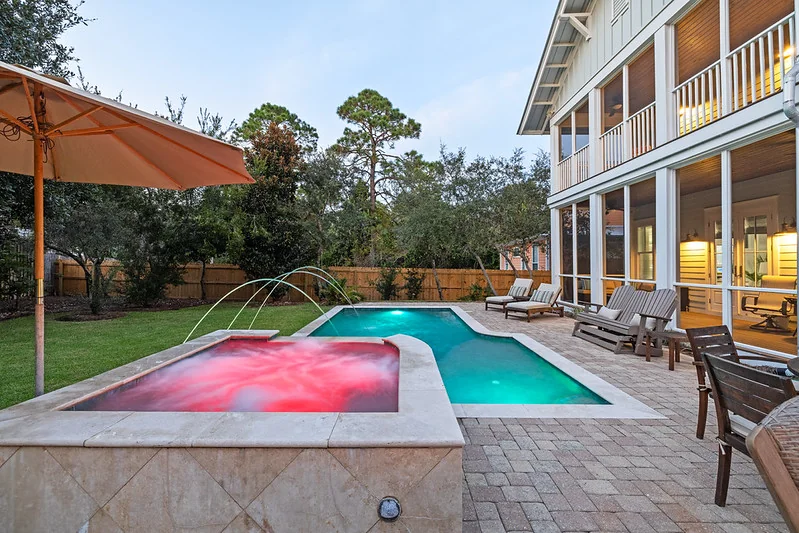
Full furniture packages, STR interior design, themed kids suites, game room conversions, property prep, custom bunks, white-glove install, and listing-ready staging — for vacation rentals and second homes across Orlando, Kissimmee, Davenport, and the full Florida STR market.
Frequently Asked Questions
How early should I engage a furnishing vendor before closing?
Ideally 60–90 days pre-close. That window covers initial scope conversation, scoped proposal review, package tier decisions, and the buffer required to absorb scope refinement. Buyers engaging at 30 days pre-close still get a workable project; the timeline gets tighter. Buyers engaging post-close can still launch but typically slip the launch-date target by 2–4 weeks depending on procurement variability.
Do I need to be on-site for install week as an out-of-state investor?
No. Most of our out-of-state investor clients never visit during install. The closeout video walkthrough, inventory documentation, and photo documentation cover what you need to verify the install is complete to spec. Investors who want to be on-site for the closeout walkthrough specifically are welcome but not required. Being on-site for the start of install is rarely useful and often slows the operational tempo.
When should I book the listing photographer?
Phase 1 or early Phase 2 (60–90 days before launch target). Quality STR photographers in Central Florida resort markets typically book 2–4 weeks out, and the strongest photographers can book 4–6 weeks out during peak booking-window prep periods. Booking the photographer at install week often produces either a delayed photography date (sliding the launch) or a lower-quality photographer (degrading the photos that drive bookings).
What if my closing date slips? Does the launch checklist absorb that?
Yes, with re-sequencing. Closing-date slippage is normal in the STR investor market and most experienced furnishing vendors plan for it. Procurement does not start until you give the signal at close, so close-date slippage shifts the whole sequence backward without producing scope-decision rework. The launch-date target adjusts accordingly; in some cases the original launch-date target can still hold if the close slips only 1–2 weeks.
How do I handle the first 5–10 reviews if early issues surface?
Triage by category. Furniture-related issues (sectional cushion failure, dining-chair quality issues, mattress complaints) should go to the furnishing vendor for replacement coordination — most legitimate vendors handle first-cycle issues without owner-side cost. Operational issues (cleaning quality, check-in logistics, communication response time) go to the PM partner or your operational team. Photography issues (listing photos not reflecting the actual property) go to the photographer or the listing-platform team for refreshed photography. Issues that touch multiple categories typically need coordination across vendors — work through the project lead who managed the launch.
How does the launch checklist differ for owner-occupant or hybrid-use properties?
Owner-occupant properties skip the listing-platform setup, photography coordination, and PM-onboarding phases. The remaining checklist (pre-close, install week, move-in week, first-30-days) still applies. Hybrid-use properties (owner-occupant primary with seasonal STR use during family-vacation gaps) usually scope to the dominant use case with adjustment notes for the secondary use; the launch checklist runs against the primary use case timing.