PM Furniture Standard Across a Portfolio
Ten-plus STRs need one furnishing system, not ten shopping lists. Here's how PMs scale guest-ready installs without chasing every delivery.

Sound familiar?
You manage 10+ Orlando STRs, and every new owner wants to furnish their own way — different vendors, different timelines, and your portfolio starts looking inconsistent in the listing photos.
In short
- A single trusted furnishing partner is what keeps portfolio launches consistent
- Minimum furnishing standards documented in management agreements protect your reputation across the portfolio
- Introducing furnishing services during onboarding positions you as a full-service partner, not just a booking manager
- Annual refresh and replacement audits are a revenue opportunity and a genuine service value-add
- Transparent vendor referral relationships built on quality first are a portfolio management competitive advantage
The PMs we work with in Central Florida solved this with one move: a single furnishing partner, two or three package tiers, and a minimum standard written into every management agreement. New launches stop being chaos. This is how to set that up.
What to know
Establish a preferred furnishing vendor relationship
The most important operational decision a growing property management company can make is selecting one primary furnishing partner. This relationship enables: faster turnarounds (the vendor knows your standards), consistent visual quality across your portfolio, a single point of accountability for delivery and installation problems, and typically preferred pricing on volume. Evaluate vendors by STR-specific experience (not general interior design), portfolio of completed vacation rentals, timeline track record, and post-installation support.
Create standard package tiers for your market segment
Work with your furnishing partner to define 2–3 package tiers that match your client base: a "Competitive" tier for price-sensitive investors who need strong value, a "Premium" tier for investors targeting higher nightly rates, and an "Upgrade" option for themed rooms or specialty additions. Having pre-defined tiers lets you quote clients immediately and eliminates back-and-forth on scope. Most clients self-select into the mid tier when presented with clear value differentiation.

Build the referral conversation into your new-owner onboarding
The best moment to introduce your furnishing partner is during the initial property management agreement conversation — when the owner is most motivated and the property is not yet generating revenue. Presenting it as a value-added service ("We work with FPUSA who handles the complete furnishing so you can launch immediately") positions you as a full-service partner and solves a real problem the owner is about to face. This is not a commission play — it's a service improvement.
Define quality standards for managed properties
Create a minimum furnishing standard for properties you manage. This protects your reputation when one unit underperforms and gives you standing to recommend upgrades with data behind you. A written standard also simplifies guest communications: "All properties in our portfolio meet a minimum furnishing standard that includes X." Document this in your management agreement to set appropriate owner expectations. A workable standard is specific enough to enforce — for example: STR-grade upholstery on every sofa and dining chair, one full houseware kit sized to max occupancy, blackout curtains in every bedroom, and a photography refresh every 24 months. A vague standard like "nice furniture" gives owners room to cut corners and gives you nothing to point to when a listing underperforms.
Use the relationship for ongoing refresh and replacement
The furnishing relationship isn't just for new launches. Partner with your vendor for annual furniture audits, targeted replacements of high-wear items (sofas, mattresses, outdoor furniture), and design refreshes for properties that have plateaued in performance. Offering "performance refresh" packages to owners — tied to occupancy data showing performance recovery — is both a real service and a revenue opportunity for your management business. Sofas and mattresses in high-turnover units typically need replacement every 3–4 years; outdoor cushions and umbrellas often need it closer to 18–24 months under direct Florida sun. Build an annual walkthrough into your calendar — even a phone-photo audit against a checklist catches a sagging mattress or a faded cushion before a guest mentions it in a review.
Build a delivery and install protocol so you're not chasing trucks
The "babysitting freight" problem usually comes down to missing protocol, not a bad vendor. Put three things in writing with your furnishing partner: a single point of contact who confirms delivery windows with the property — not the owner — 48–72 hours out, a same-day or 24-hour install standard so items don't trickle in over a week while a unit sits half-furnished, and a photo sign-off sent to you before the crew leaves. That last step matters most across a portfolio: it's how you catch a missing headboard or a mismatched dining set before a guest does, without personally standing in the driveway for every delivery.
What to do first this week
Open three same-bedroom-count comps on Airbnb or VRBO and screenshot bunk photos, outdoor dining seats, and primary suite finish. List where your home falls short — that gap list becomes your furnish scope. Managing multiple STRs? Call us — we'll set one portfolio standard your owners can trust.
What we see go wrong
- Letting each owner furnish independently with no minimum standard, then managing the reputational risk when properties underperform
- Treating furnishing as the owner's problem rather than a system to control for consistent portfolio quality
- Recommending vendors without vetting their STR-specific experience — interior designers who don't know vacation rental requirements often produce beautiful but unpractical results
- Not documenting the minimum property standard in management agreements
- Missing the revenue opportunity of structured vendor partnerships for a service your clients are already going to buy
Related Community Guides
Eight Core Services
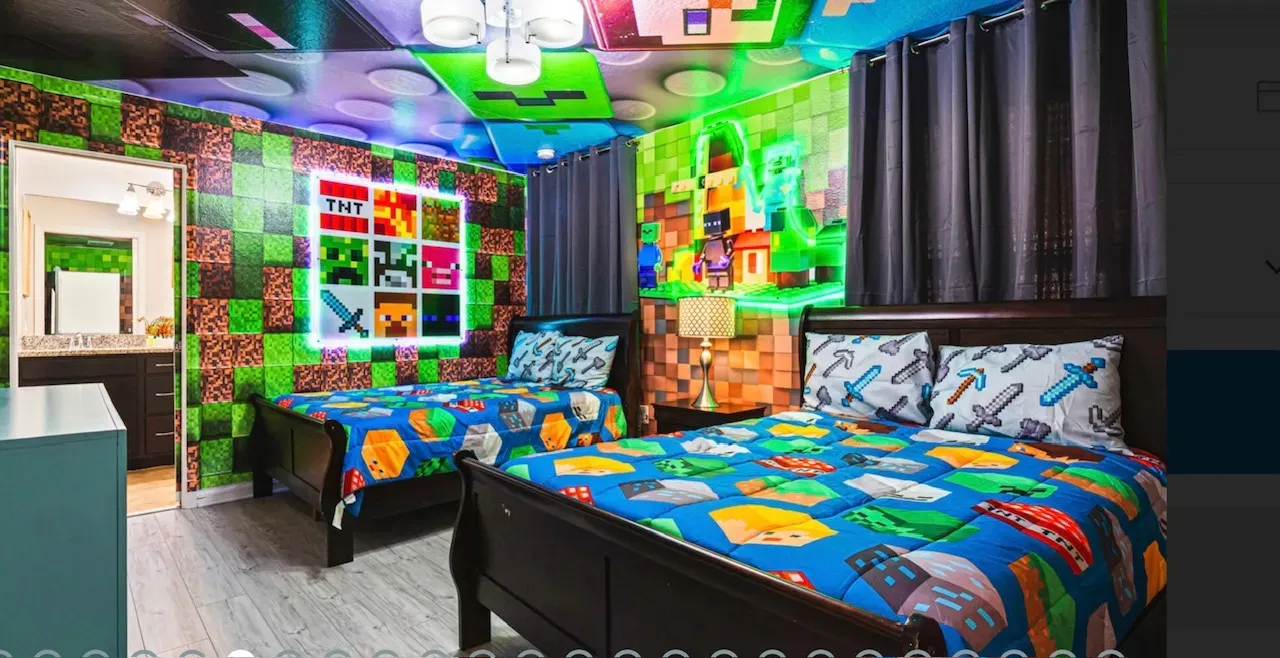
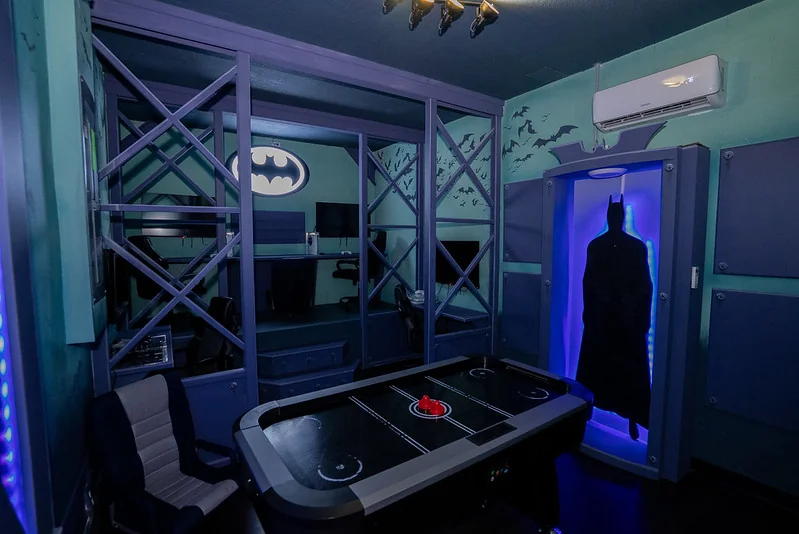
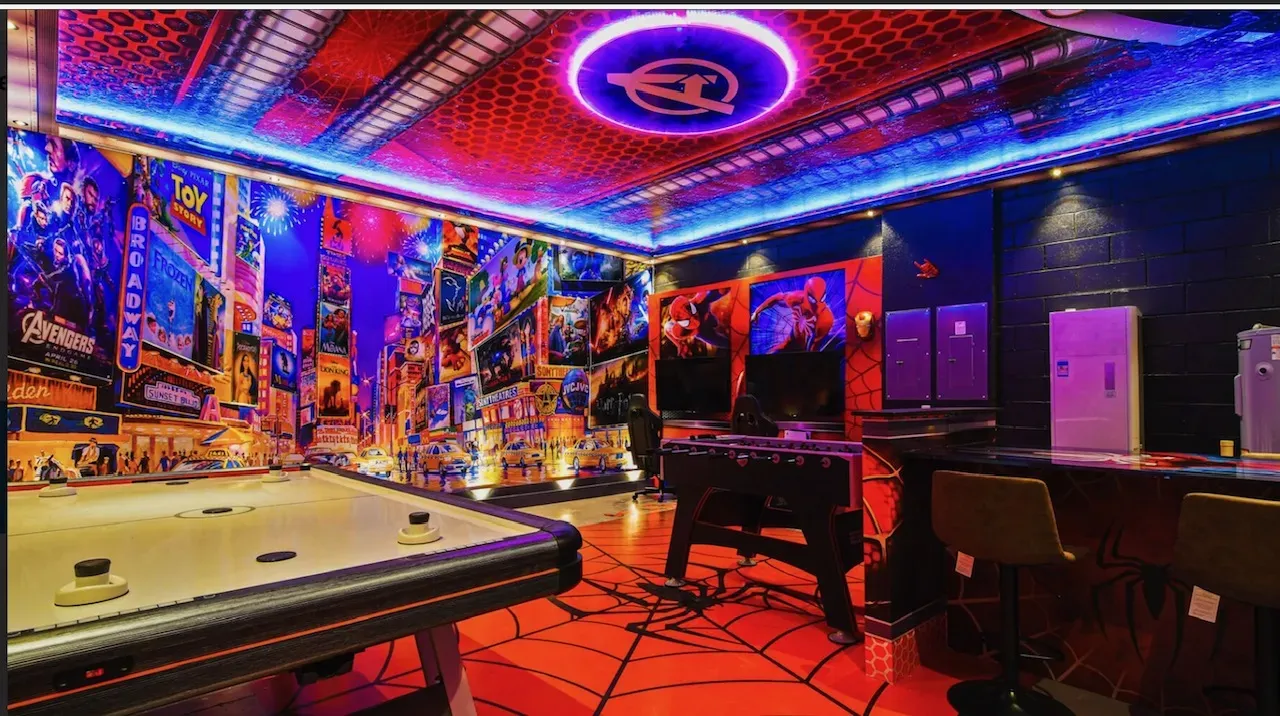
Turnkey to Themed Rooms — All Under One Roof
Full furniture packages, STR interior design, themed kids suites, game room conversions, property prep, custom bunks, white-glove install, and listing-ready staging — for vacation rentals and second homes across Orlando, Kissimmee, Davenport, and the full Florida STR market.

Frequently Asked Questions
Should property managers earn referral fees from furnishing vendors?
This is a business decision. Some property managers prefer a clean referral model where the value is in service quality, not fee income. Others structure transparent revenue-sharing arrangements. Both are viable — what's important is disclosure to your client if you receive compensation and ensuring the vendor you recommend is genuinely the best option for the client, not just the most profitable referral for you.
What should I look for when vetting a furnishing vendor?
STR-specific portfolio (vacation rental homes, not just general interior design), verifiable timeline track record, post-installation support policy, relationship with your market's communities, ability to handle out-of-state client communication, and references from other property management companies. Request a portfolio of specifically completed vacation rental properties in your market, not residential design projects.
How do I handle an existing client whose furnishing is hurting their performance?
Lead with data: show them their RevPAR vs comparable properties in the same community. Frame the conversation as "I've identified the biggest booking gap" not "your furniture is bad." Offer to coordinate the upgrade as a value-added service, and tie the recommended investment to a projected performance improvement using community averages. Most owners respond positively when the conversation is ROI-focused, not aesthetic.
What should I do first?
Pull three in-community comps with your bedroom count, note bunk, outdoor, and primary suite in the hero photos, then send your floor plan. We match package tier to that comp set before you order furniture.
How long does it take to roll a new furnishing standard out across properties I already manage?
Most PMs phase it in over 2–3 renewal cycles rather than refurnishing every unit at once — new owner onboarding gets the full standard immediately, while existing units get folded in at their next scheduled refresh or lease renewal. Trying to force a full portfolio upgrade in one quarter usually creates a cash-flow objection from owners who just furnished a year ago. A phased rollout spreads the vendor relationship benefits — pricing, scheduling priority — across the whole portfolio within about 12–18 months.