How to Furnish a Palm Beach County Estate Without Retail Furniture...
Your Jupiter loggia closes in three weeks and salt air eats retail outdoor metal in one season. Dock schedules and humidity-rated materials matter as much as the sofa.
Sound familiar?
You closed on a Palm Beach County home — island tower, Admirals Cove villa, or Jupiter loggia — and the furniture plan still assumes northern delivery timelines and interior-only specs. Salt, humidity, and building logistics will rewrite that plan before the first guest arrives.
In short
- Salt, UV, and humidity dictate materials before brand names do
- Outdoor and lanai rooms need the same planning rigor as primary suites
- Freight windows, COIs, and storm routines belong in scope on day one
We've furnished Palm Beach County properties where the hard part wasn't the aesthetic — it was getting a sofa past a dock schedule, picking outdoor metal that survives Gulf exposure, and planning around generator bays and shutter storage. Scope here starts with climate-rated materials, freight and COI coordination, and lanai rooms sized like real living space — not prestige labels on a mood board. Buyers in this market are also juggling household staff schedules, wind-mitigation inspections, and HOA architectural review boards that can add weeks if deliveries aren't planned around them. Get the sequence right and the house is photo-ready and livable in one pass; get it wrong and you're storing a partial order in a garage bay for a month.
Design notes
Palm Beach Island & Worth Avenue corridor aesthetic
Old Palm Beach meets contemporary international — lime-wash, sisal under silk rugs, cane and mahogany nods, plus crisp contemporary sculpture and objets. Formal receiving rooms and library moments return in estate assignments. The detail that separates a package that reads Palm Beach from one that reads generic coastal is restraint in the metals: mixing more than two metal tones in a single room, say brass hardware, chrome lighting, and pewter accents, reads busy rather than collected. We pick one warm metal as the anchor and let everything else defer to it. Sisal underlayment needs a pad rated for humidity, not a standard foam pad that traps moisture against the terrazzo or stone floors common in these homes; skip that step and you'll smell it within a season. For library and receiving rooms, plan real shelf-load capacity into any built-in piece — a beautiful bookcase that flexes under an actual book collection is a return visit we'd rather avoid.
Jupiter Island & Bear's Club enclave homes
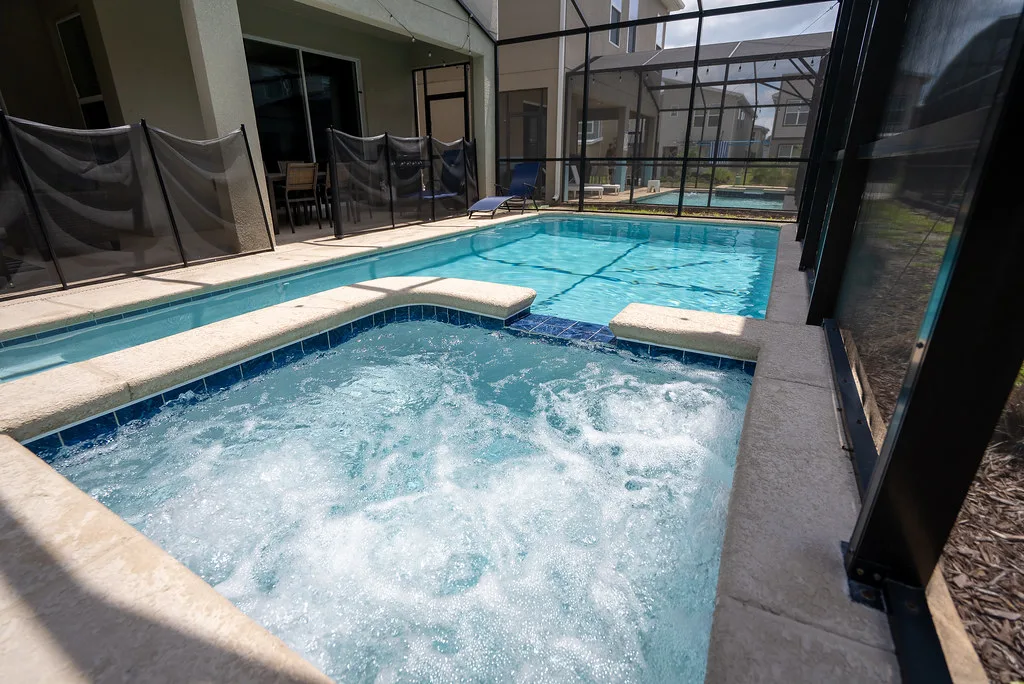
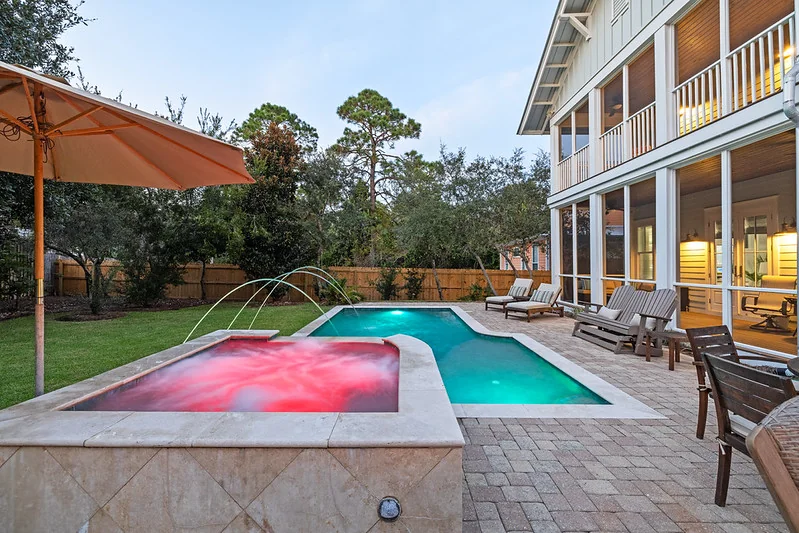
Oversized covered loggias, resort-width pools, and summer kitchens require outdoor collections scaled like interior rooms. Indoor slipper chairs and chaises often mirror outdoor lines for visual continuity.
Admirals Cove & Ibis lifestyle planning
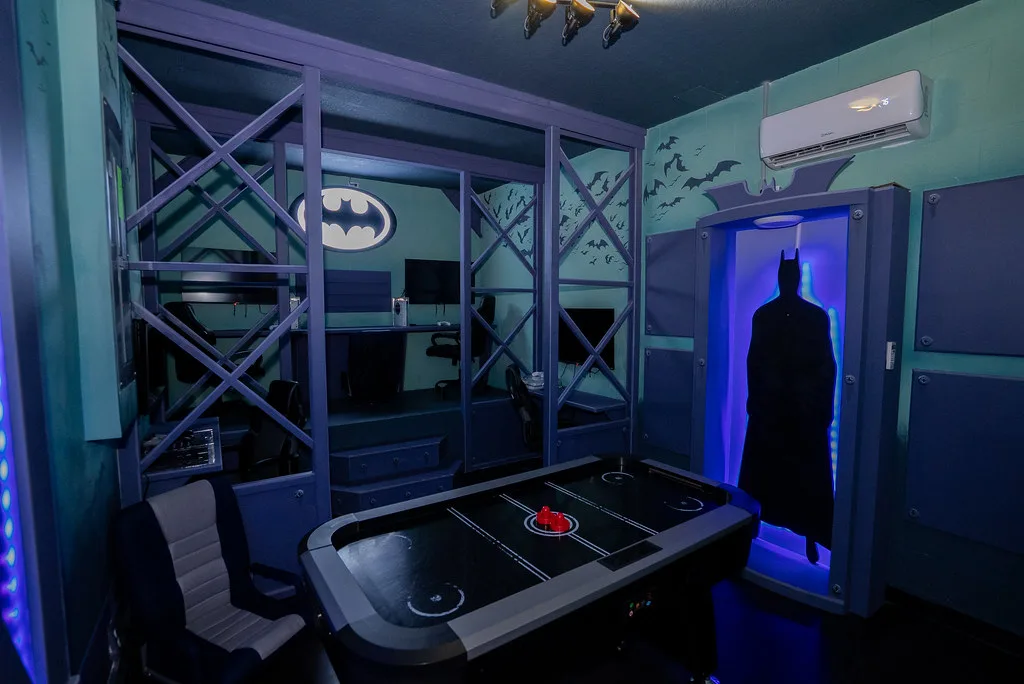
Yacht and golf calendars drive flexible entertaining: buffets, bar carts, and convertible game tables. Locker and club-gear transitions influence mud entries. The decision rule we use for these homes: if the calendar includes regular member-guest tournaments or dock parties, plan for two entertaining modes rather than one — a formal setup for twelve seated and a casual buffet configuration for forty standing — with furniture that can shift between them inside an hour. Bar carts and game tables need locking casters rated for stone or tile floors, not the soft rubber wheels that mark up finishes after a season of repositioning. Mud entries near the garage or dock should carry a bench with real weight capacity and a boot tray sized for golf and boat shoes together; a decorative bench that can't hold two adults sitting to change shoes gets replaced within a year in a household that actually uses the club daily.
West Palm & downtown luxury condos
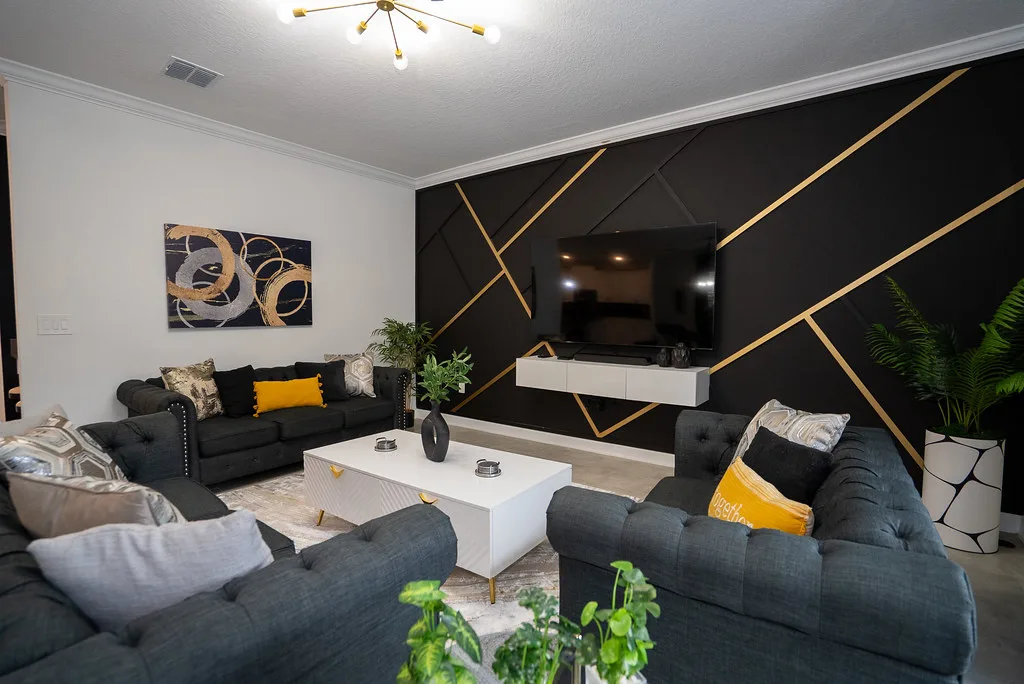
New towers favor gallery-white shells with jewel-box palettes — curated rugs, collectible lighting, and millwork-hugging custom upholstery maximize modest square footage versus estate sprawl. Custom, millwork-hugging pieces are the trade-off for that polish: banquettes and built-in-style seating scaled to a specific floor plan typically run 8–12 weeks from order, versus 2–4 weeks for in-stock furniture, so these units need decisions locked earlier than an estate purchase with more room to improvise. The failure mode in downtown towers is buying furniture at estate scale and cramming it in — an oversized sectional or dining table might look fine alone but eats the one thing these units are selling: open sightlines to the window wall. We measure clearances around every walkway before finalizing scale, not after delivery.
Delivery timing and discretion
White-glove delivery, after-hours load-ins, and photo-ready staging are baseline when staff schedules, dock windows, and neighbor sightlines all matter. Plan install around building rules — not around when the truck happens to arrive.
Custom fabrication timelines for staffed and estate homes
Inventory-led core programs move in 2–4 weeks; bespoke pieces — library millwork-matched cabinetry, hand-finished dining tables, imported stone consoles — typically run 10–14 weeks and longer if fabric or stone needs to clear customs. Staffed homes add another layer: install days need to be scheduled around household staff routines and, in gated communities like Admirals Cove or Ibis, around HOA move-in windows that can require 48–72 hours' notice. The decision rule: anything visible in day-one photography or needed for daily living goes on the fast in-stock track; bespoke library, dining, or art-anchor pieces can trail by six to ten weeks without disrupting move-in, as long as the rest of the home is functional on day one.
What to do first this week
Open three same-bedroom-count comps on Airbnb or VRBO and screenshot bunk photos, outdoor dining seats, and primary suite finish. List where your home falls short — that gap list becomes your furnish scope. Send your floor plan for a scoped proposal.
What we see go wrong
- Under-scaling art walls with timid furniture layouts
- Outdoor metal finishes that fail within one season of salt exposure
- Ignoring generator and shutter-compartment clearances in planning
- Treating staff quarters as storage afterthoughts in staffed homes
- Generic LED color temperatures that flatten fine art and stone
Related Community Guides
Eight Core Services
Turnkey to Themed Rooms — All Under One Roof
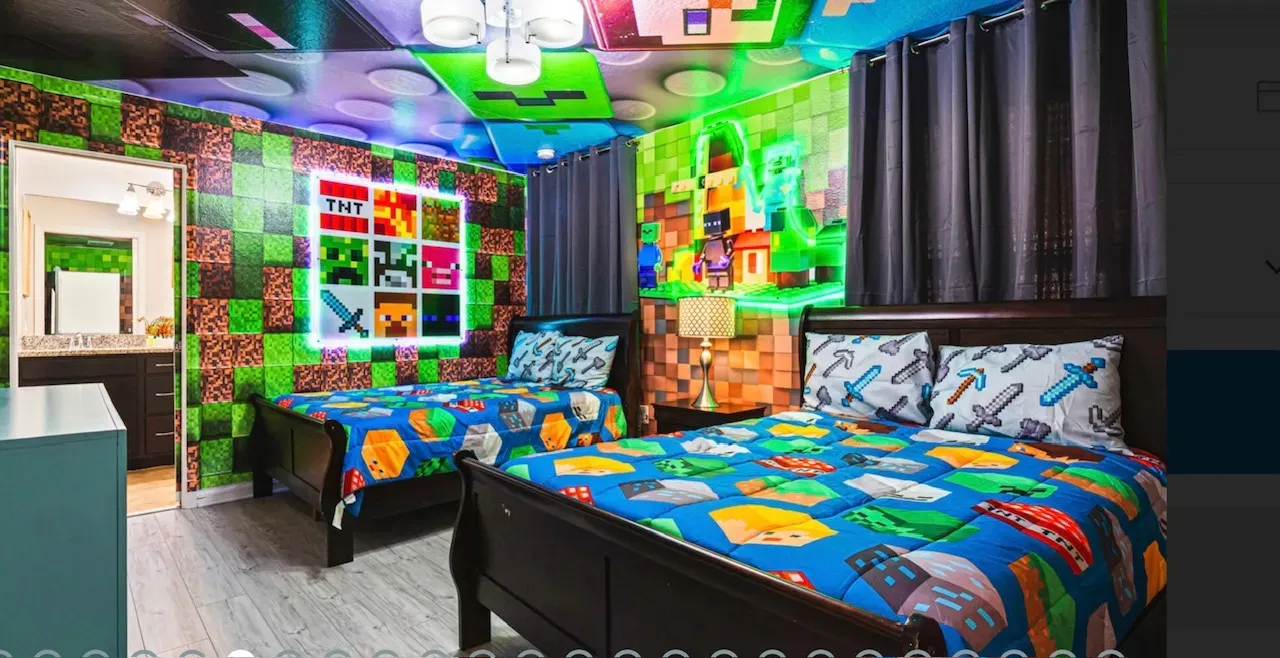
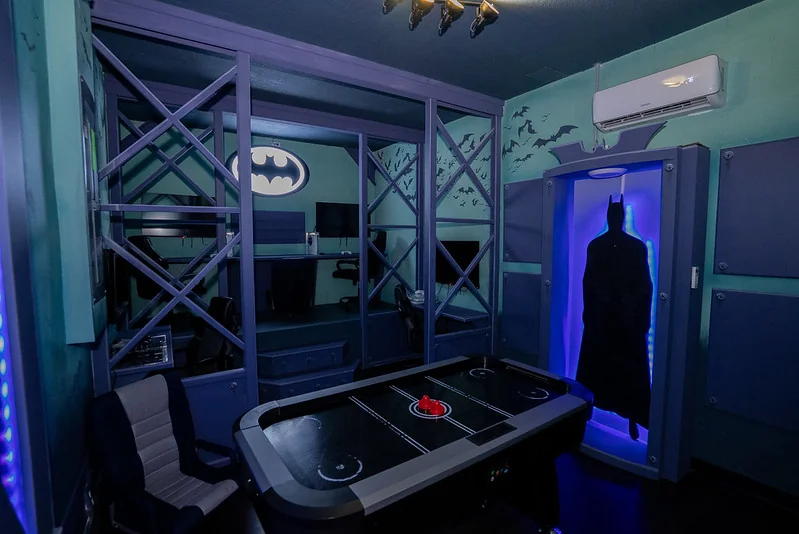
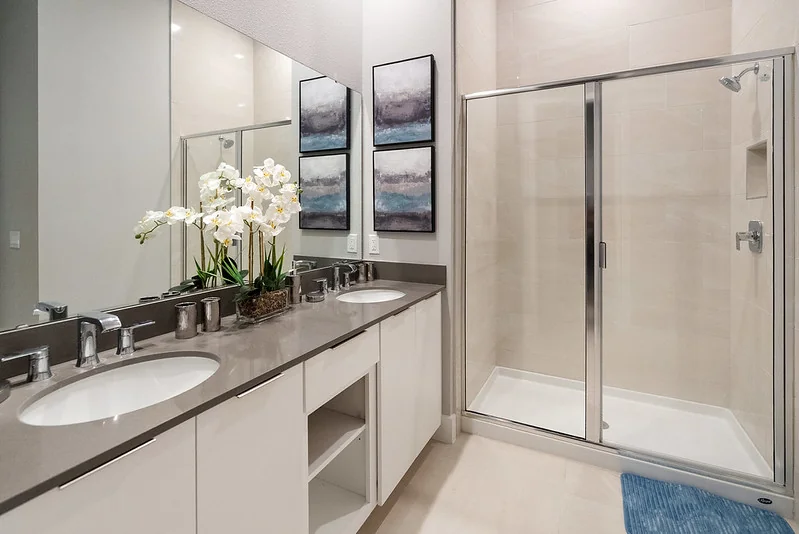
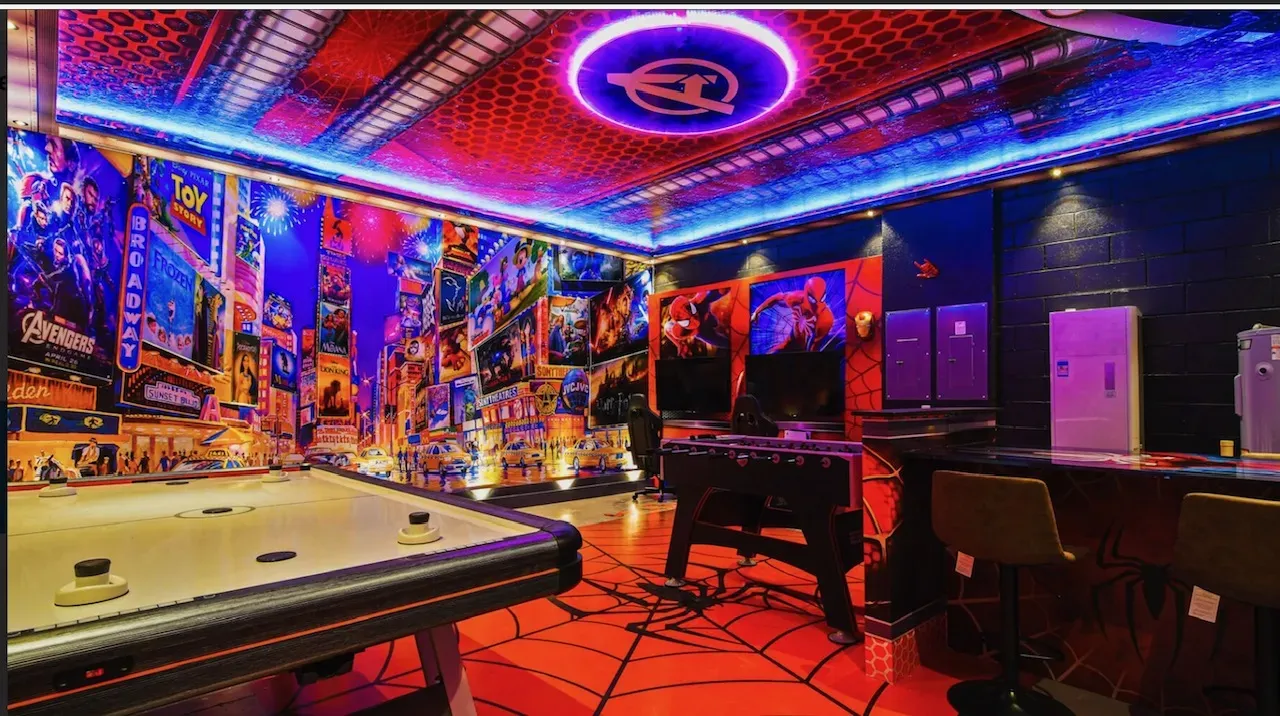
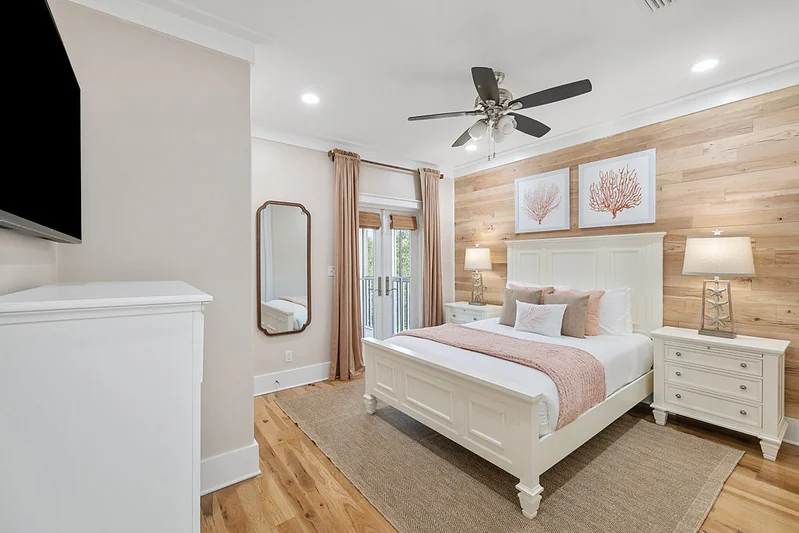
Full furniture packages, STR interior design, themed kids suites, game room conversions, property prep, custom bunks, white-glove install, and listing-ready staging — for vacation rentals and second homes across Orlando, Kissimmee, Davenport, and the full Florida STR market.
Frequently Asked Questions
Do you work with estate managers and designers?
Yes — we work around household staff schedules and design teams without disrupting daily routines.
Inventory versus bespoke?
We blend expedited core programs with custom atelier pieces depending on calendar and architecture.
Condo freight and union buildings?
We handle COIs, dock bookings, and high-rise constraints across WPB and island towers.
Outdoor hurricane prep consultation?
We can specify stowable stacks and covers aligned with your storm routines.
What should I do first?
Pull three in-community comps with your bedroom count, note bunk, outdoor, and primary suite in the hero photos, then send your floor plan. We match package tier to that comp set before you order furniture.
What's the first thing that fails on a Palm Beach property if we skip climate-rated materials?
Outdoor metal, almost always. Standard powder-coated aluminum or untreated steel hardware can pit or rust within a single season of direct salt exposure on the island or Intracoastal. We spec marine-grade 316 stainless or a properly cured powder coat rated for coastal salt, which costs more upfront but avoids replacing an entire outdoor set before your first hurricane season ends.
Related Reading
Fort Lauderdale & Boca Raton: Furniture Packages for South Florida Waterfront Communities
How to Furnish a Miami Luxury Condo Without Retail Furniture That Fails Humidity