Miami Property Managers: How to Get Every New Unit Guest-Ready...
Three Brickell closings this month and two owners want guest-ready by the 15th. Here's how Miami PMs stay ahead of freight elevators, COIs, and staggered retail deliveries.
Sound familiar?
Three Brickell closings land this month. Two owners want guest-ready by the 15th. You're the one calling building management about freight elevators, insurance certificates, and a sofa that missed its delivery window — again.
In short
- Miami's construction pipeline is accelerating—property managers who establish furniture partner relationships now avoid unit-by-unit scrambles later
- High-rise delivery logistics in Miami are a real operational complexity that requires an experienced partner
- Portfolio consistency is a competitive differentiator that most Miami property managers do not have
- Volume pricing rewards consistent ordering patterns more than any other factor
Miami high-rises don't forgive staggered retail deliveries. One missed freight slot pushes photos a week, and owners compare your units to the neighbor who listed first. A partner who books elevators, submits COIs, and installs on one day keeps your portfolio moving — not your inbox.
What to know
What Miami PMs actually need from a furniture partner
Speed to market: every day between closing and first booking is lost revenue. Building compliance: Miami high-rises require freight elevator bookings, insurance certificates, specific delivery windows, and management approvals—a partner who knows this saves hours of coordination per unit. Consistent quality: every unit in a portfolio must meet the same documented baseline. Single point of contact: one account, one invoice, one escalation path. Scalability: one unit this month, ten next quarter, same process. Replacement and refresh support: maintenance records per unit so re-orders are fast and accurate.
The high-rise delivery challenge unique to Miami
Buildings in Brickell, Edgewater, and Downtown Miami require advance freight elevator booking—sometimes 48–72 hours minimum. Proof of vendor insurance at specific minimum coverage levels. Weekday business-hours delivery windows only. Building management pre-approval for the delivery. Property managers who work with vendors unfamiliar with this process spend hours per unit rescheduling missed windows and managing owner frustration. A vendor showing up without a current certificate of insurance — most buildings require $1 million per occurrence naming the association as additional insured — gets turned away at the loading dock, and that missed slot often means a five- to seven-day wait for the next available window in a busy tower. We keep standing COIs on file with the buildings we service regularly, so a PM adding a new unit in a building we already work in can often get a delivery date confirmed same day instead of waiting on paperwork to clear management's office.
Volume pricing for Miami portfolio managers
Managers with ongoing volume get pricing that reflects consistency — three to five packages a month typically beats first-time buyer rates, with priority scheduling and faster quote turnaround. Pricing tiers typically step down at three, six, and twelve units a year, and the savings compound with speed too — a PM on a standing volume account can usually get a quote turned around same day, versus the 24-hour standard for a one-off order, because we're not starting the specification from scratch on the fifth unit in a building we've already furnished four times. That speed matters most when an owner calls on a Tuesday wanting photos by the following Monday.
The portfolio consistency advantage
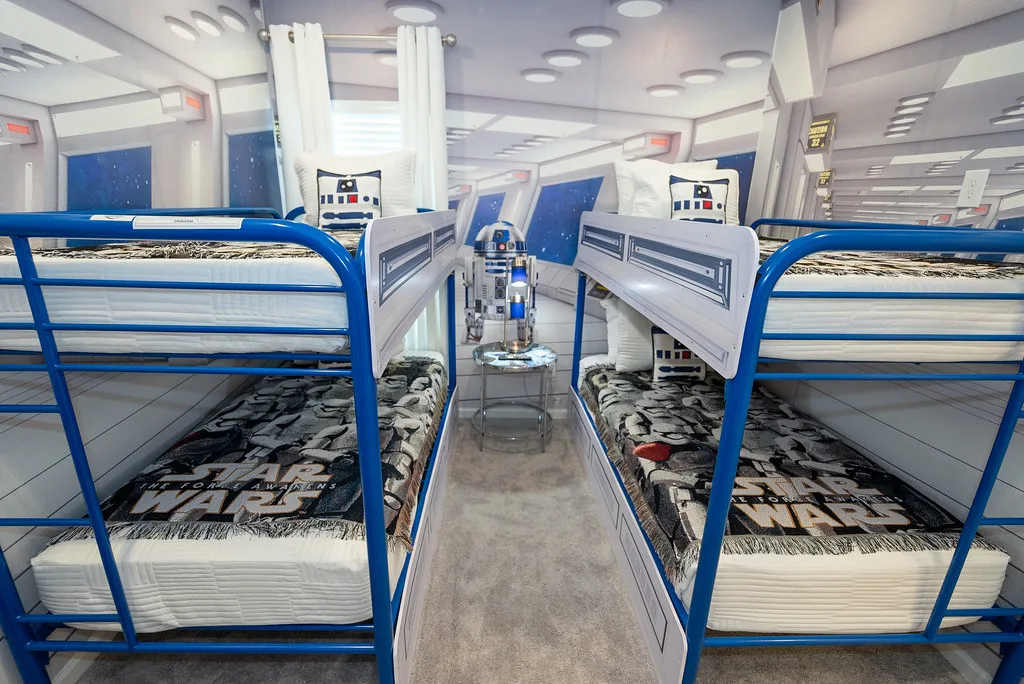
When all units in a managed portfolio are furnished through the same partner to the same standard, the property management brand becomes consistent. Guests who return for a second stay, owners comparing their unit's performance to peers, and referrals all benefit from parity. Consistency is also a credible service promise: telling a new owner that every unit in your portfolio meets a specific documented standard is something most property managers cannot honestly claim.
Getting ahead of the construction pipeline
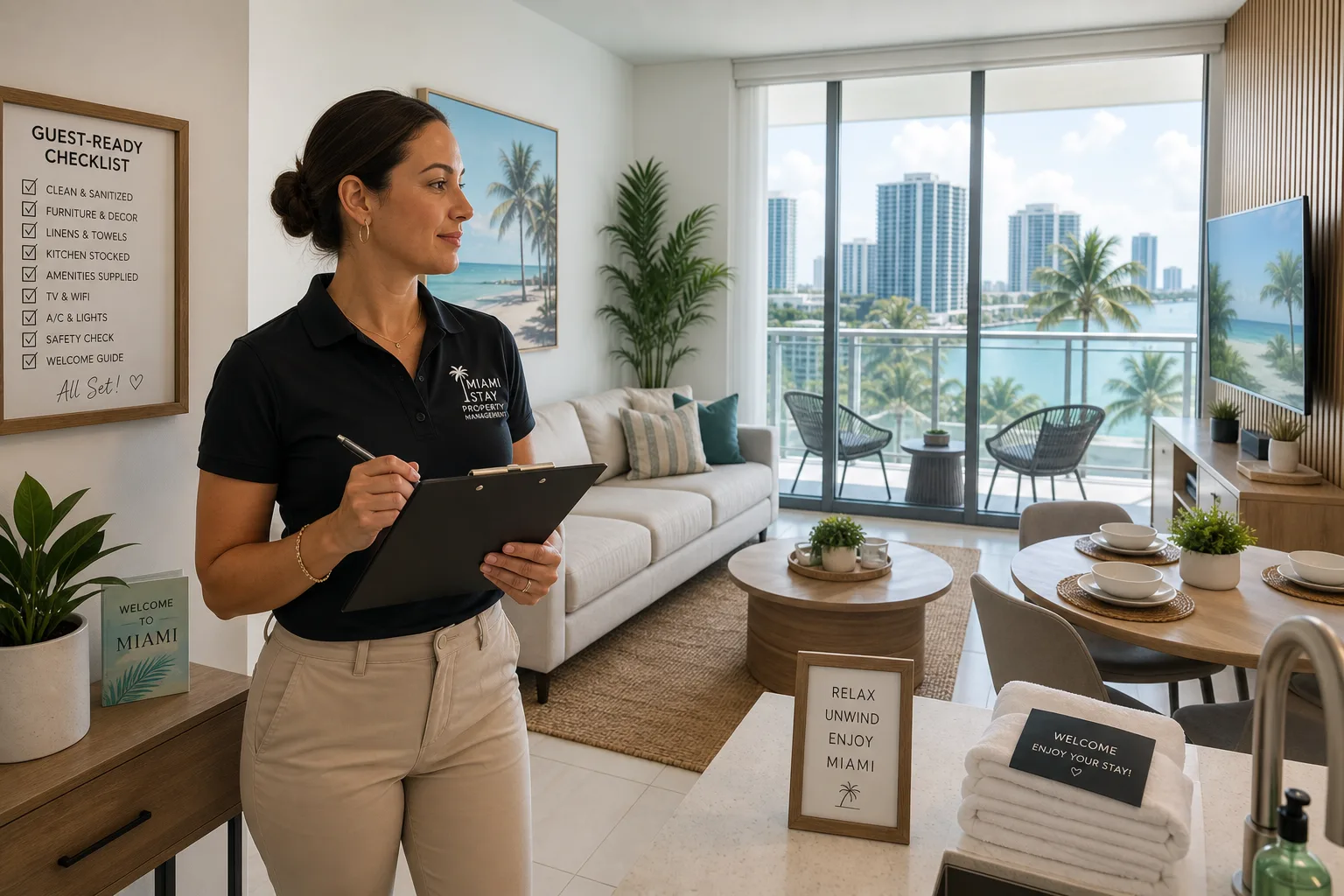
Establishing the furniture partner relationship before the volume arrives is significantly better than negotiating it unit by unit under deadline pressure. Managers whose portfolios are growing in Miami's construction corridors should treat furniture vendor qualification the same way they treat screening property management software—proactively, before it is urgent. A useful benchmark: if your pipeline shows more than three closings in the same building within a 60-day window, that's the signal to set up a portfolio account before the first one closes, not after the third one is already overdue. Waiting until owner number two is asking why their unit isn't live yet means negotiating pricing and scheduling under pressure, with less room to plan around freight windows that are about to get more congested, not less.
What to ask before adding a vendor to your PM roster
Before signing on a furniture vendor for portfolio-wide work, get answers to four questions in writing: how fast can they turn a quote for a new unit (same day or 24–48 hours is the standard to expect), do they carry standing insurance documentation for the buildings you already manage, what's their process when a piece arrives damaged or wrong, and can they provide a documented inventory record per unit for your owner reporting. A vendor who can't answer the damage-and-exchange question specifically is the one who will leave you managing a delayed re-order while an owner asks why the unit still isn't guest-ready. Ask for two references from other Miami property managers with a similar portfolio size — a vendor confident in their process will have them ready, not need a week to gather them.
What to do first this week
Open three same-bedroom-count comps on Airbnb or VRBO and screenshot bunk photos, outdoor dining seats, and primary suite finish. List where your home falls short — that gap list becomes your furnish scope. Send your floor plan for a scoped proposal.
What we see go wrong
- Coordinating furniture vendor relationships unit by unit without a portfolio account structure
- Working with vendors who have no experience with Miami high-rise freight protocols
- No documented furniture standard to present to prospective owner clients
- Treating refresh and replacement as one-off problems rather than scheduled portfolio maintenance
- Accepting inconsistent quality across units in a portfolio where guests compare directly
Related Community Guides
Eight Core Services
Turnkey to Themed Rooms — All Under One Roof
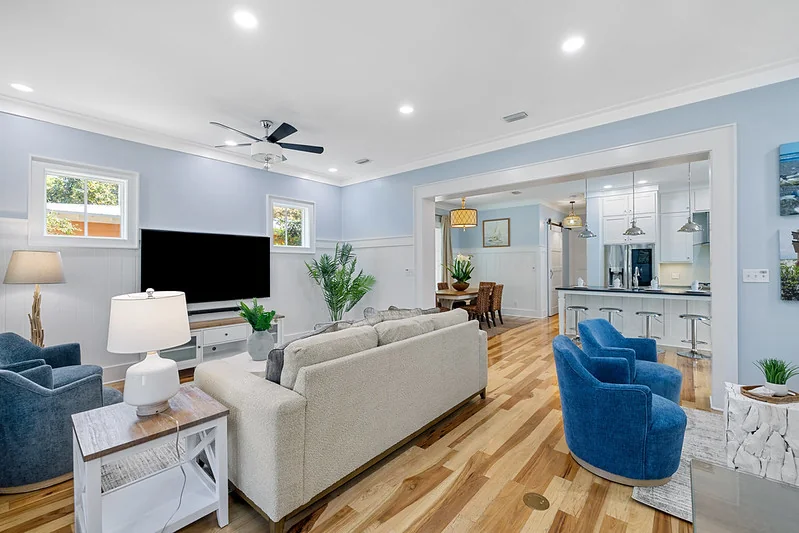
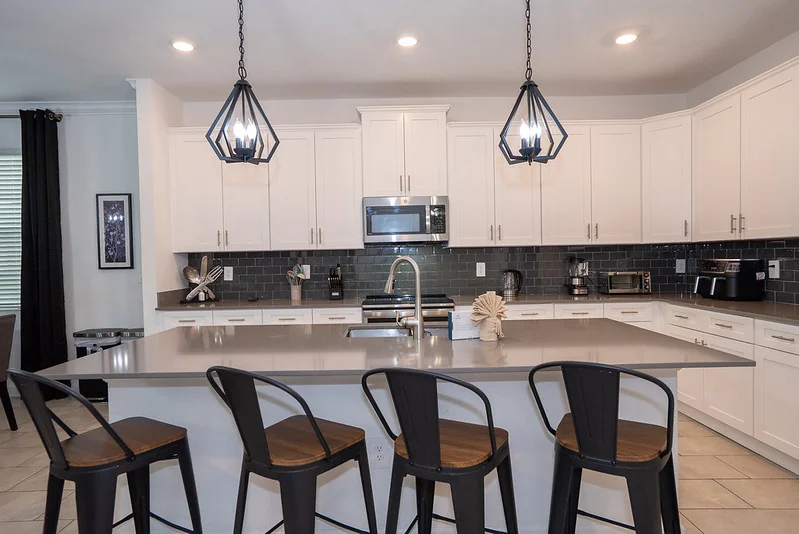
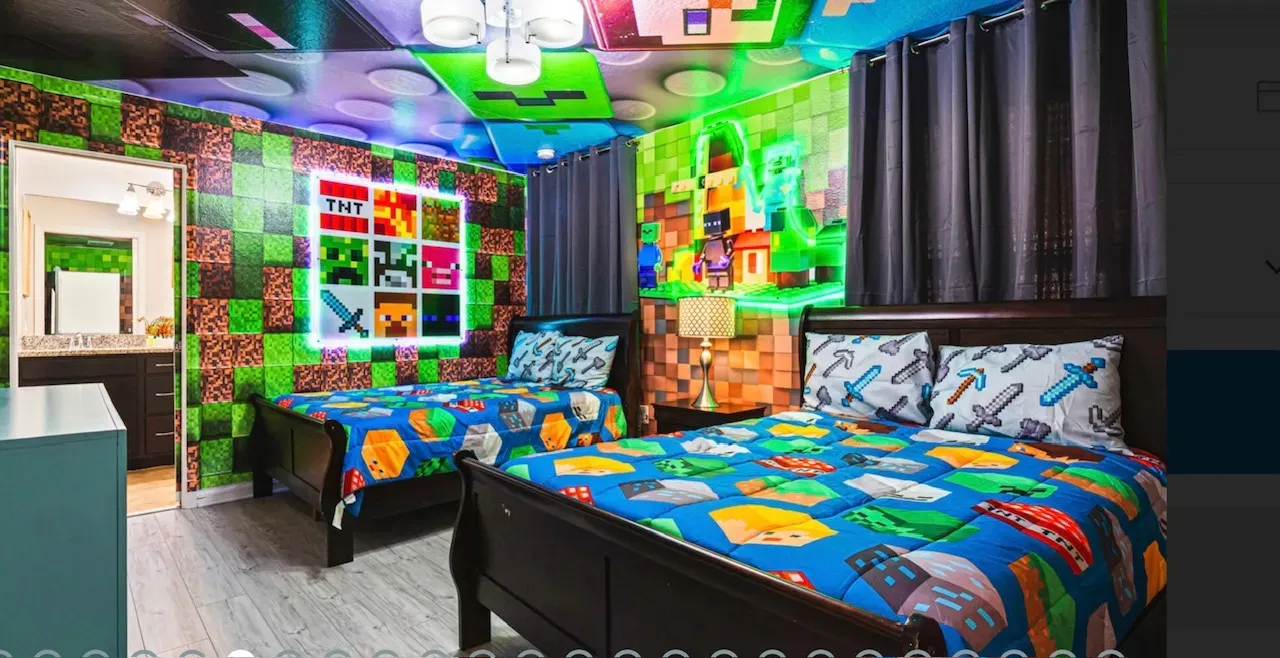
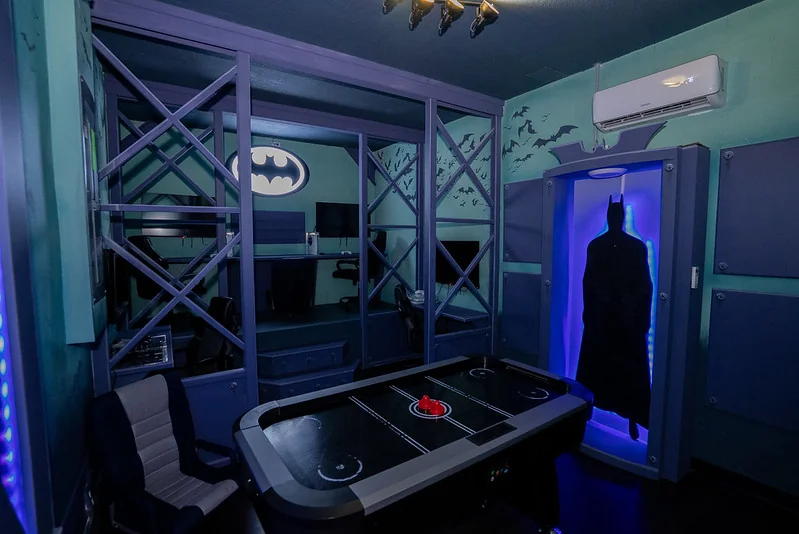
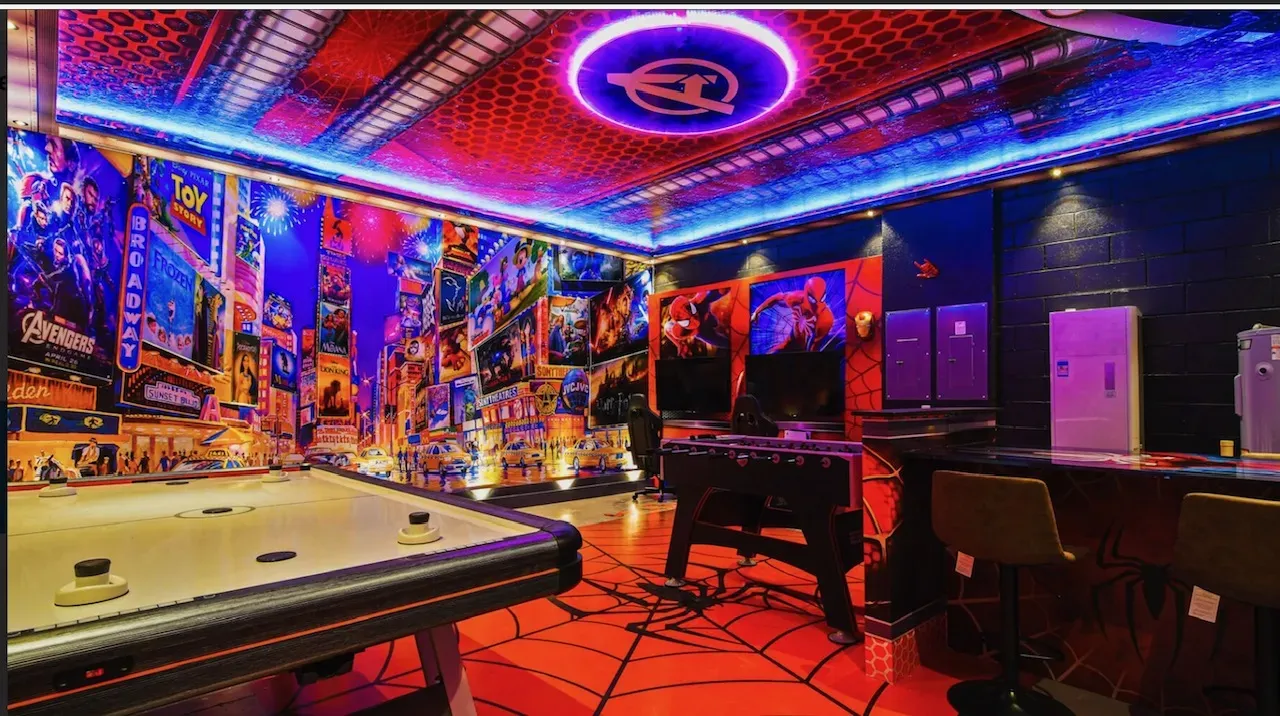
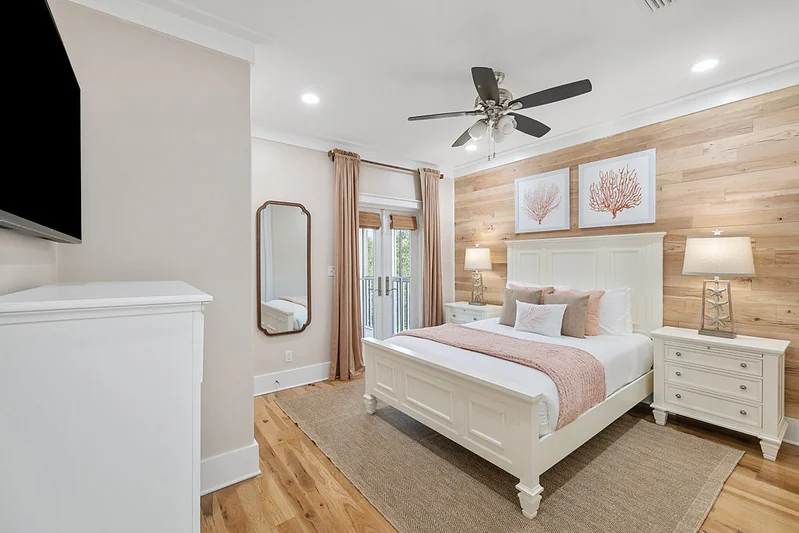
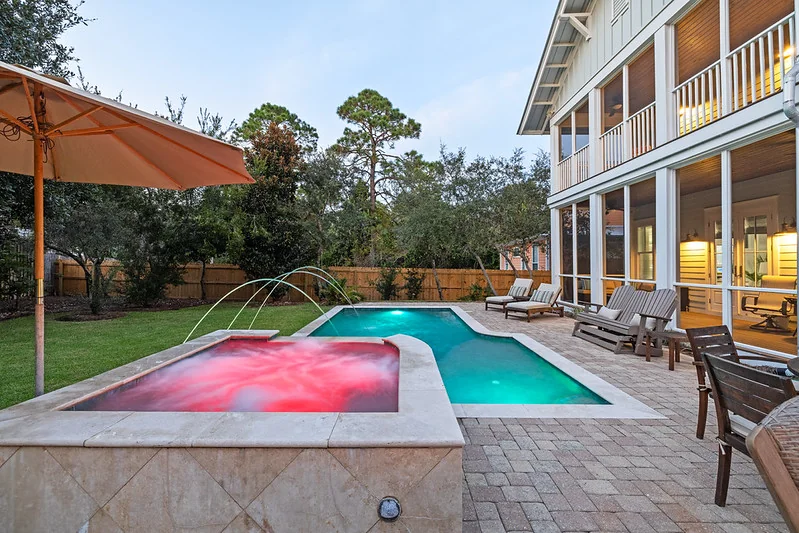
Full furniture packages, STR interior design, themed kids suites, game room conversions, property prep, custom bunks, white-glove install, and listing-ready staging — for vacation rentals and second homes across Orlando, Kissimmee, Davenport, and the full Florida STR market.
Frequently Asked Questions
Do you handle all building coordination, or does the PM still need to manage it?
We handle freight elevator booking, insurance documentation, and building management communication directly. The PM approves the quote and confirms the installation date.
Can you match quality standards across different building types—high-rises and boutique condos?
Yes. The standard is defined by the tier the PM establishes, and we execute it consistently across building types and neighborhoods.
Is there a minimum portfolio size for volume pricing?
No minimum—pricing improves with consistent volume and we are happy to discuss the structure for your specific portfolio pace.
Do you provide per-unit inventory documentation?
Yes. Install records per unit with itemized contents and dates are standard—useful for owner reporting and insurance purposes.
What should I do first?
Pull three in-community comps with your bedroom count, note bunk, outdoor, and primary suite in the hero photos, then send your floor plan. We match package tier to that comp set before you order furniture.
Can you handle three or four units closing in the same building the same week?
Yes — simultaneous closings in one building are common during Miami's construction waves, and we schedule crews and freight windows across multiple units the same way we would for a single large order. The key is giving us advance notice of the closing wave so we can reserve freight slots before the building's calendar fills up with other vendors.