Selling a Fort Lauderdale Vacation Rental? Here's How Furniture...
Buyers pay for turnkey: documented income, bookings continuity, and a furnished story that photographs like the business you are actually selling.

Sound familiar?
Exit planning often ignores presentation—yet luxury buyers decide from photos first, and STR buyers buy the business story inside the frame. A Rio Vista or Las Olas listing with tired furniture and inconsistent styling routinely sits longer and draws lower offers than a comparable turnkey property, even when the underlying numbers and location are identical.
In short
- Turnkey STR is a narrative—furniture is visual proof
- Refresh heroes before photos, not after price cuts
- Documentation converts buyer confidence into cleaner negotiations
Turnkey means fewer objections at negotiation: the buyer sees revenue continuity, fewer weeks to first booking, and quality matching the ask. Empty rooms read as risk and downtime. Buyers touring a furnished, currently-booked STR can picture themselves collecting revenue the following week; buyers touring an empty shell have to mentally underwrite a furnishing budget and a vacancy gap before they'll commit to your asking price.
What works
Why furnished STR product sells stronger here
You are transferring real estate plus an operating footprint. Professional furnishings signal seriousness, reduce buyer imagination work, and support premium asks in $1.5M+ conversations common to top neighborhoods.

Photos drive showings
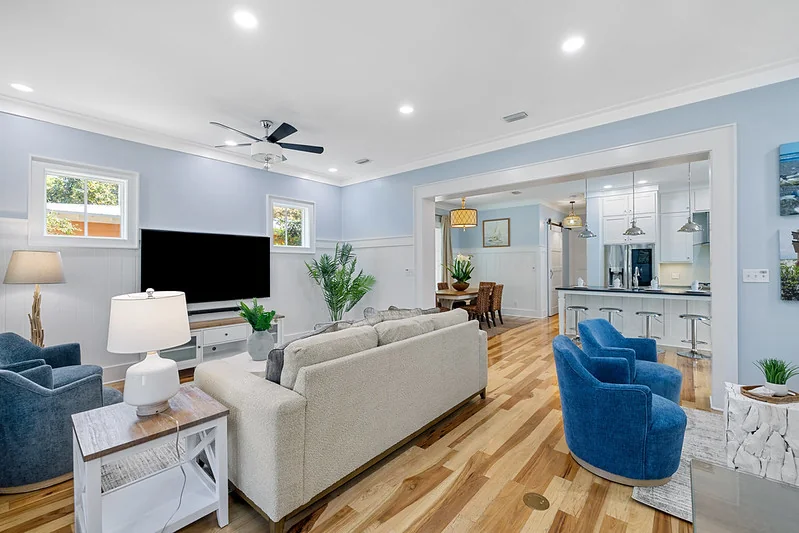
Empty spaces underperform on MLS and Airbnb-history marketing alike. Staged living, primary suites, and outdoor living stop the scroll. On the MLS side, a buyer scrolling through comparable listings in Rio Vista or Las Olas spends measurably longer on photos that show a fully lived-in space than on empty rooms with painter's tape still visible in the corner — and that extra attention translates directly into more showing requests, since a buyer who can picture living there is more likely to schedule a walkthrough than one who has to imagine it from bare walls.

Pre-list refresh beats trying to explain wear
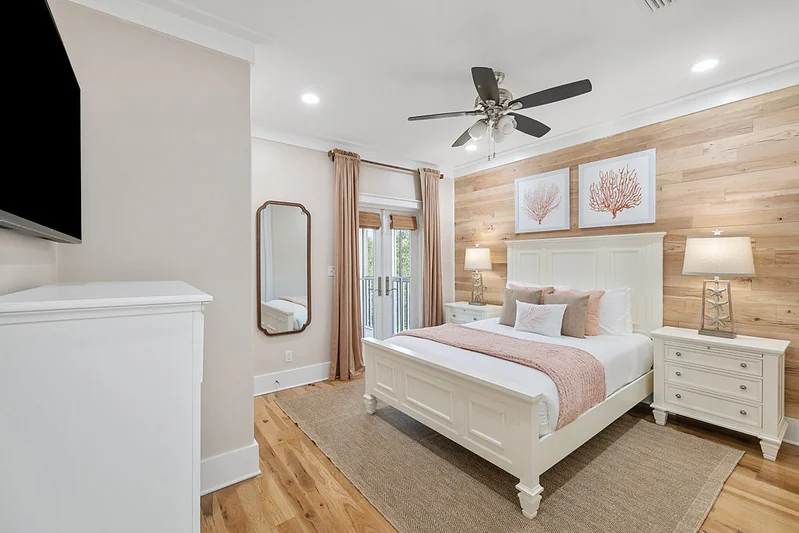
If upholstery, bedding, or outdoor pieces aged through rental years, selective hero replacements upgrade the whole impression. Buyers and their agents notice inconsistency faster than they notice quality — a home with one obviously worn sofa in an otherwise nice living room draws more scrutiny of the entire property than a home that's uniformly mid-tier throughout. The two rooms worth refreshing first are the primary bedroom and the outdoor living area, since those are the spaces buyers photograph on their own phones during a showing to send to a spouse or partner.
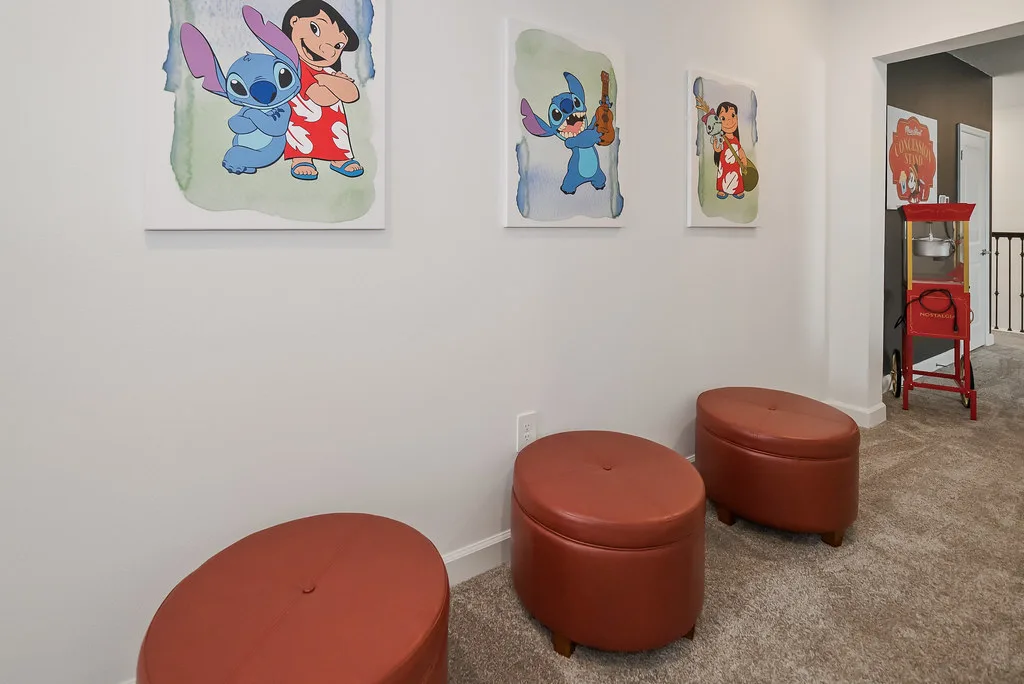
Include vs separate pricing strategies
Some sellers bake furnishings into the headline ask as convenience; others price real estate then negotiate a documented chattel package. Both work better with inventories and install dates.
Documentation buyers respect
Itemized contents, purchase timing, and replacement notes help diligence move faster. A simple spreadsheet listing each major piece, its purchase date, and remaining expected life turns an abstract "furniture included" line in the listing into a concrete asset a buyer's agent can evaluate — and it heads off the common negotiation tactic where a buyer tries to discount the sale price by claiming the furniture is worthless without ever having seen an inventory.
Deciding which rooms to refresh before listing
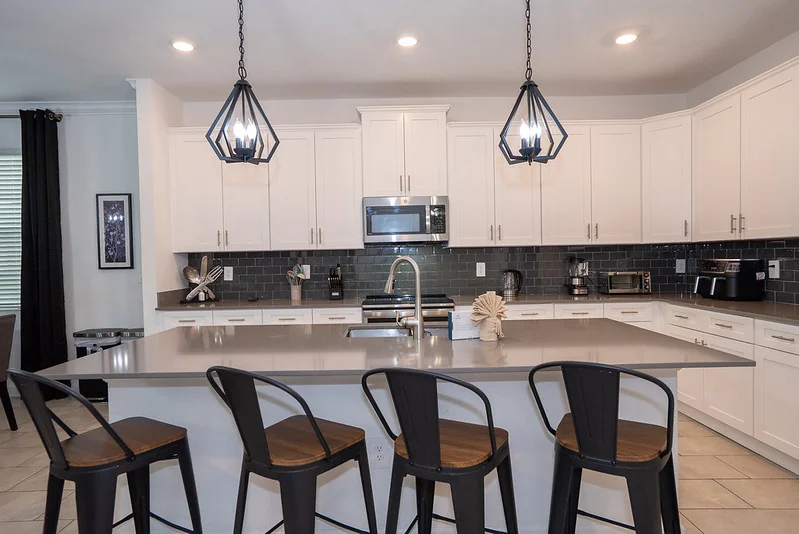
Not every room needs pre-sale attention, and refreshing everything usually isn't the best use of a limited pre-listing budget. Start with the rooms buyers photograph and linger on during a showing — the primary suite, the main living area, and outdoor living space on waterfront or pool properties — since those three carry the most weight in a buyer's first impression of the whole home. Kitchens matter but are less commonly a furniture problem specifically; a dated cabinet or countertop reads as a renovation project a buyer expects to handle themselves, while worn furniture in the living room reads as neglect of a property that's supposed to be turnkey.
What to do first this week
Open three same-bedroom-count comps on Airbnb or VRBO and screenshot bunk photos, outdoor dining seats, and primary suite finish. List where your home falls short — that gap list becomes your furnish scope. Send your floor plan for a scoped proposal.
What we see go wrong
- Leaving empty photos while claiming turnkey revenue
- Letting stained sofas represent the asset at first impression
- No inventory list for the chattel conversation
- Assuming buyers will “just replace everything” without discount demands
- Skipping outdoor refresh on waterfront comps
Related Community Guides
Eight Core Services
Turnkey to Themed Rooms — All Under One Roof
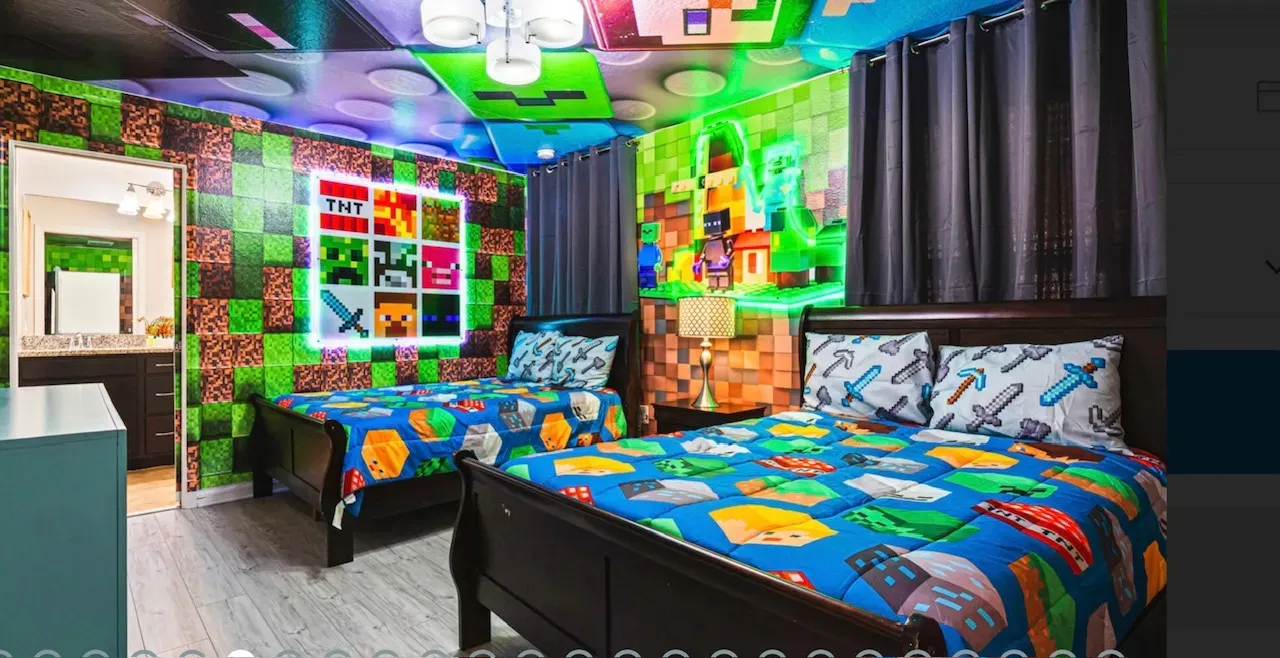
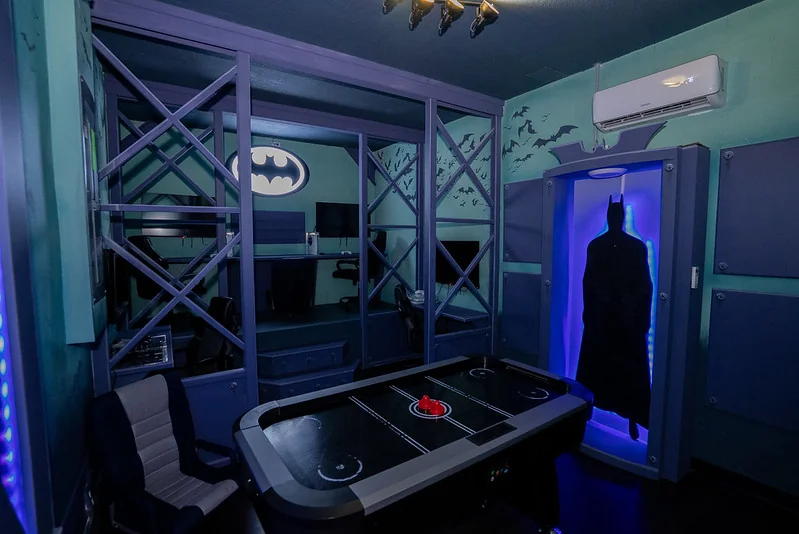
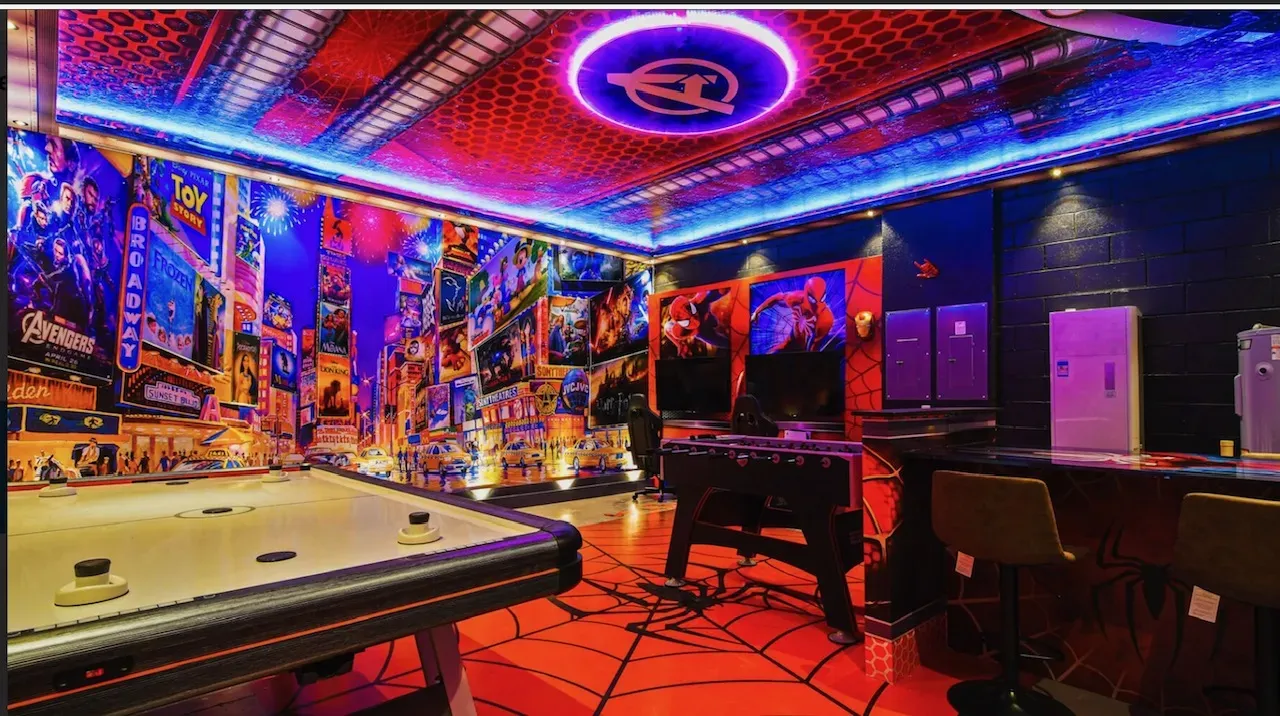
Full furniture packages, STR interior design, themed kids suites, game room conversions, property prep, custom bunks, white-glove install, and listing-ready staging — for vacation rentals and second homes across Orlando, Kissimmee, Davenport, and the full Florida STR market.

Frequently Asked Questions
Should every sale include all furniture?
Not always—but staged, documented packages outperform mystery contents.
Can FPUSA refresh only key rooms?
Yes—primary living, master, and outdoor are common pre-list priorities.
Do agents coordinate installs?
Agents often loop us in once photography dates are known.
Is this only for luxury homes?
No—any STR with measurable ADR benefits from honest, strong presentation.
What should I do first?
Pull three in-community comps with your bedroom count, note bunk, outdoor, and primary suite in the hero photos, then send your floor plan. We match package tier to that comp set before you order furniture.
How far in advance of listing should I schedule a pre-sale furniture refresh?
Ideally four to six weeks before your target listing date, which gives enough time for delivery, installation, and professional photography without rushing any of the three. Waiting until the week you want to list usually means either skipping the photography reshoot or listing with photos that don't yet reflect the refreshed space, both of which undercut the value the refresh was meant to add.